
Wisdom Tooth Removal in Miami with Personalized Dental Care
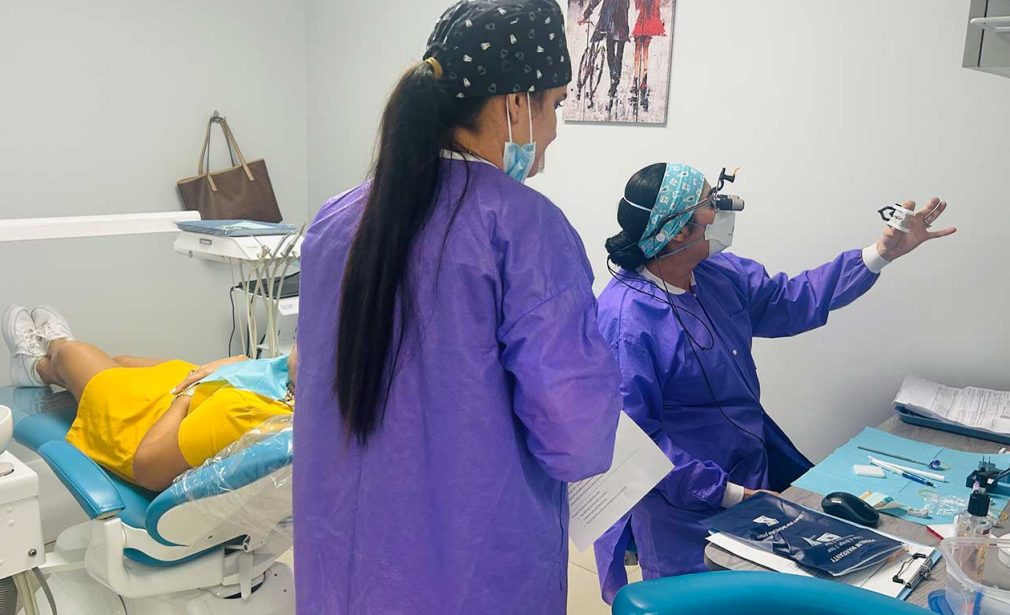
Wisdom Tooth Removal in Miami is available at Dental Blush for patients who need evaluation and treatment of painful, impacted, partially erupted, or difficult-to-maintain wisdom teeth. At Dental Blush, our dentists examine the tooth, surrounding gums, nearby teeth, and diagnostic images before recommending removal. The goal is to understand what is happening first and then discuss the treatment that fits your individual dental needs.
Wisdom teeth, also known as third molars, are the last permanent teeth to develop at the back of the mouth. Some erupt normally and remain healthy. Others may not have enough room to emerge completely, may develop at an angle, or may stay partially or fully beneath the gum or bone.
Not every wisdom tooth needs to be removed. When a wisdom tooth is healthy, functional, properly positioned, and easy to keep clean, the dentist may recommend monitoring it instead. Removal may be considered when the tooth is causing symptoms or creating a dental problem that is unlikely to improve without treatment.
Our Miami dental office is located in Tamiami and serves patients and families from Sweetwater, Westchester, Fountainebleau, Westwood Lakes, Olympia Heights, University Park, the FIU area, and nearby Miami-Dade communities.
If you have wisdom tooth pain, swelling, pressure, or questions about an extraction, our team is happy to help at (305) 553-0666. We speak English and Spanish / Hablamos inglés y español.
When you are ready to have the area evaluated, you can request your visit through our Appointment Today page.
When a Wisdom Tooth May Need to Be Removed
A wisdom tooth does not need treatment simply because it is present. The dentist looks at the position of the tooth, symptoms, surrounding tissues, neighboring teeth, oral hygiene, and diagnostic images before making a recommendation.
Wisdom tooth removal may be considered when there is:
- Pain or pressure in the back of the mouth
- Swelling or tenderness around the wisdom tooth
- Repeated gum inflammation around a partially erupted tooth
- Food or bacteria becoming trapped around the tooth
- Tooth decay that is difficult to restore or prevent
- Gum disease around the wisdom tooth
- Damage or increased risk to the neighboring second molar
- A wisdom tooth that remains partially or completely impacted
- Difficulty keeping the tooth and surrounding area clean
- A cyst or another abnormal finding associated with the tooth
Some wisdom teeth produce obvious symptoms. Others may create concerns that are discovered during a dental examination or on diagnostic imaging before significant discomfort develops.
The American Dental Association provides additional information about wisdom teeth, including why some third molars are monitored while others may need removal.
What Is an Impacted Wisdom Tooth?
An impacted wisdom tooth is a third molar that does not fully erupt into its normal position in the mouth. It may remain completely beneath the gum or bone, or only part of the tooth may become visible.
Wisdom teeth can become impacted because there is not enough room in the jaw, because the tooth develops at an angle, or because surrounding structures prevent normal eruption.
The position can vary considerably from one patient to another. A tooth may point forward toward the neighboring molar, backward, sideways, or remain mostly upright without fully erupting.
For this reason, the dentist needs to evaluate more than what is visible above the gum. The position of the roots, surrounding bone, neighboring teeth, and nearby anatomical structures can influence treatment planning.
Wisdom Tooth Extraction in Miami: Simple and Surgical Approaches
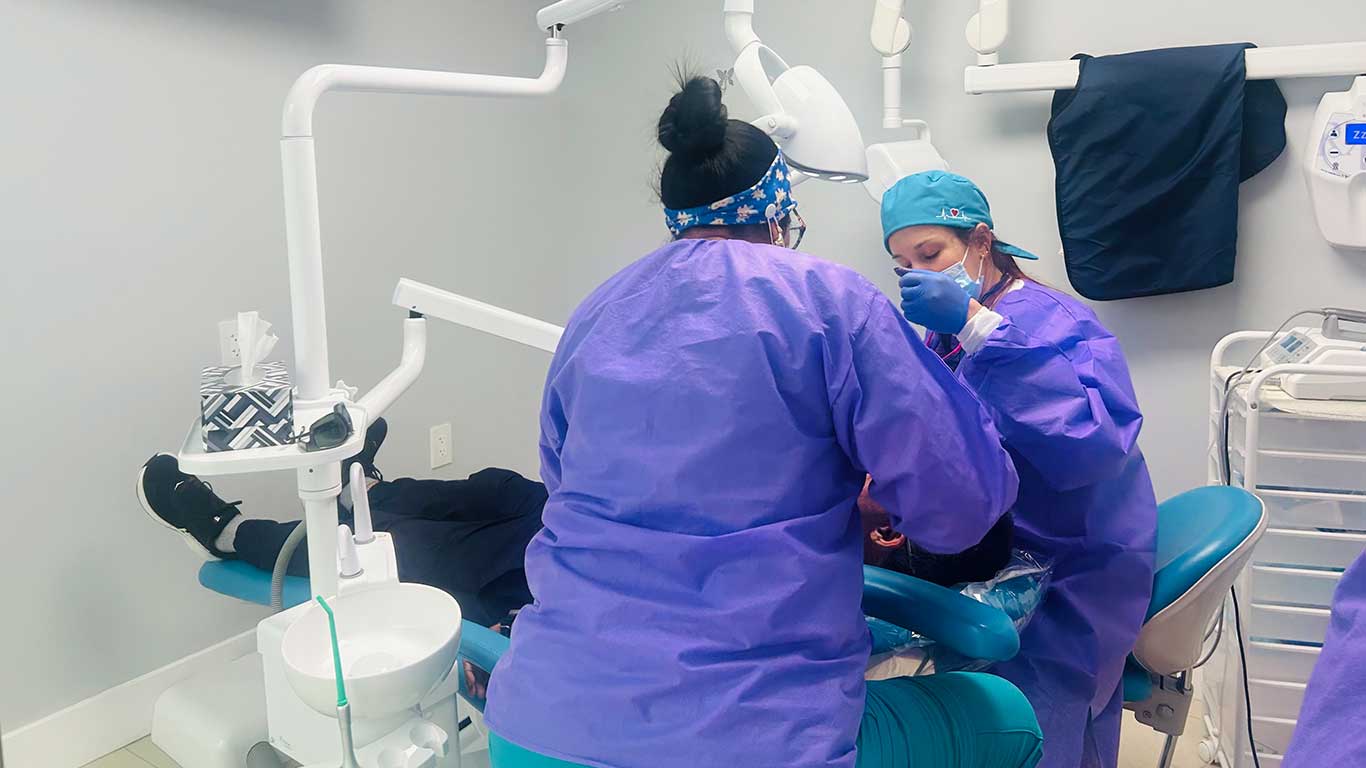
Wisdom Tooth Extraction in Miami does not involve exactly the same procedure for every tooth. The technique depends on how much of the wisdom tooth has erupted, its position, root anatomy, surrounding bone, and the overall complexity of the case.
Removal of an Erupted Wisdom Tooth
A wisdom tooth that has fully erupted above the gum may sometimes be removed using a more straightforward extraction technique. The dentist evaluates how firmly the tooth is supported, its root shape, surrounding bone, and the condition of the nearby tissues before treatment.
Surgical Wisdom Tooth Removal
A partially erupted or impacted wisdom tooth may require a surgical approach. Depending on the position of the tooth, treatment may involve creating access through the gum, removing a limited amount of surrounding bone, or dividing the tooth into smaller sections so it can be removed appropriately.
The exact technique is determined by the clinical situation. A more complex case may require additional planning or referral when care outside the scope of the office would be more appropriate for the patient.
Dental Examination Before Wisdom Tooth Removal
A careful examination is an important part of planning wisdom tooth treatment. The dentist reviews your symptoms, medical history, dental history, medications, previous treatment, and any concerns you have about the tooth.
The clinical examination may include evaluation of:
- The gum surrounding the wisdom tooth
- Signs of inflammation or infection
- The amount of the tooth that has erupted
- The condition of the neighboring second molar
- Areas where food or plaque may become trapped
- Tooth decay or damaged tooth structure
- Your bite and available space around the tooth
- Tenderness, swelling, or other clinical findings
This information helps the dentist determine whether the tooth should be monitored, treated, removed, or evaluated further with diagnostic imaging.
Dental X-Rays and CBCT for Wisdom Tooth Evaluation
Diagnostic imaging is often an important part of evaluating a wisdom tooth because the dentist cannot see the roots, surrounding bone, or fully impacted portions of the tooth during a visual examination.
Depending on your individual situation, conventional dental radiographs, panoramic imaging, or CBCT 3D imaging may be recommended. Our Dental Radiographs in Miami page explains the different types of imaging available at our Miami office, including on-site CBCT 3D dental imaging.
Imaging may help the dentist evaluate:
- The position and angle of the wisdom tooth
- Whether the tooth is erupted, partially erupted, or impacted
- The number, shape, and direction of the roots
- The amount of bone surrounding the tooth
- The relationship to the neighboring second molar
- Nearby anatomical structures
- Possible decay or infection
- Bone changes, cysts, or other findings
CBCT is not automatically needed before every wisdom tooth extraction. The dentist determines whether the additional three-dimensional information can meaningfully improve diagnosis or treatment planning for the individual case.
Wisdom Tooth Care with Dr. Jose Seota
Dr. Jose Seota, Florida Dental License DN25164, is one of the dentists providing care at our Miami office. His professional background includes oral surgery, radiographic diagnosis, endodontics, prosthetic rehabilitation, and comprehensive treatment planning. He has also completed additional training in advanced surgical rehabilitation.
When evaluating a wisdom tooth, Dr. Seota considers the clinical findings together with the diagnostic images and the patient’s medical and dental history. He also takes time to explain what he sees and why removal, continued observation, or another approach may be recommended.
Clear communication is especially important when someone arrives with dental pain or uncertainty about a procedure. Patients are encouraged to ask questions about the findings, treatment plan, expected recovery, alternatives, and any concerns they may have before proceeding.
What Happens During Wisdom Tooth Removal?
The steps involved in Wisdom Tooth Removal in Miami depend on the individual tooth and the type of extraction required. Before beginning treatment, the dentist reviews the planned procedure and answers questions about what to expect.
Local Anesthesia
The treatment area is numbed with local anesthesia. The dental team allows time for the anesthesia to take effect and checks the area before beginning the extraction.
Accessing the Wisdom Tooth
If the tooth is fully erupted, direct access may be possible. If the tooth is impacted or only partially erupted, the dentist may need to access it through the surrounding gum or bone.
Removing the Tooth
The dentist uses the technique appropriate for the position and condition of the wisdom tooth. In some surgical cases, the tooth may be divided into sections so that it can be removed with less unnecessary disruption to surrounding structures.
Managing the Extraction Site
Once the tooth is removed, the area is evaluated and cleaned as needed. Depending on the procedure, sutures may be used to help support the healing tissues.
Post-Operative Instructions
Before you leave, our dental team provides instructions for caring for the extraction site. These recommendations are based on the type of procedure performed and your individual needs.
What to Expect After Wisdom Tooth Removal
Healing after an extraction varies from patient to patient. The position of the wisdom tooth, complexity of removal, number of teeth treated, overall health, and individual healing response can all affect recovery.
During the early healing period, some soreness, swelling, tenderness, or minor bleeding may occur. These symptoms generally change as healing progresses, but your dentist will explain what is expected based on your particular procedure.
Post-treatment instructions may include guidance about:
- Managing minor bleeding after the procedure
- Using cold compresses when appropriate
- Selecting comfortable foods during early healing
- Keeping the mouth and extraction area clean
- Taking prescribed or recommended medications correctly
- Avoiding smoking during healing
- Avoiding unnecessary disruption of the extraction site
- Returning for follow-up when recommended
Following the instructions provided for your specific procedure can support normal healing and help reduce the likelihood of complications.
Eating After a Wisdom Tooth Extraction
The mouth may feel tender after an extraction, so eating softer foods can be more comfortable during the early part of recovery.
Your dental team may recommend avoiding foods that are very hard, sharp, or difficult to chew near the extraction area while healing begins. The appropriate diet depends on your procedure and how you are feeling.
Hydration is also important. Follow the instructions provided by the dental team regarding drinking, eating, and protecting the extraction site during the initial healing period.
Oral Hygiene While the Area Heals
Keeping the mouth clean remains important after a tooth extraction, but the extraction site needs to be treated carefully.
The dental team will explain when and how to brush around the treatment area and whether any additional rinsing instructions apply to your situation.
Avoid aggressive brushing or unnecessary manipulation directly over the healing socket unless the dentist instructs you otherwise.
Possible Complications After Wisdom Tooth Removal
Most extraction sites heal normally, but complications can occur after any dental extraction. Understanding which changes deserve attention can help patients know when to contact the office.
Possible concerns can include persistent bleeding, worsening pain, infection, delayed healing, or inflammation of the extraction site.
Contact the dental office if you experience symptoms that concern you, especially if pain or swelling is getting worse rather than gradually improving.
Difficulty breathing or swallowing, rapidly increasing facial or neck swelling, or another potentially serious medical problem requires urgent medical attention.
The American Association of Oral and Maxillofacial Surgeons provides additional information about wisdom teeth and considerations related to third molar treatment.
Wisdom Tooth Pain and Emergency Appointments
Wisdom tooth problems can sometimes become painful quickly. Swelling, gum inflammation, infection, or pressure around the back teeth may make eating and normal daily activities uncomfortable.
If you are experiencing an urgent dental problem, our Emergency Dentist in Miami page explains how we evaluate dental emergencies at Dental Blush.
Same-day emergency appointments may be available depending on the schedule and clinical situation. Our team can help you understand current availability at (305) 553-0666.
Wisdom Tooth Removal Cost in Miami
The cost of wisdom tooth removal depends on the individual treatment required. A fully erupted tooth that can be removed with a straightforward extraction may involve different treatment than a deeply impacted wisdom tooth requiring surgical access.
Factors that may affect cost include:
- The number of wisdom teeth being treated
- Whether a tooth is erupted or impacted
- The complexity of the extraction
- The diagnostic imaging required
- The condition of the surrounding tissues
- Additional treatment needs identified during evaluation
After the dentist evaluates the tooth and determines the treatment needed, our team can explain the proposed treatment and estimated costs.
Dental Insurance and Payment Options
Dental Blush works with many PPO dental insurance plans, Dental Medicare Advantage plans, and Dental Discount Plans. Benefits for extractions and diagnostic imaging vary according to the specific plan.
Coverage may depend on deductibles, annual maximums, frequency limitations, exclusions, waiting periods, or other insurance requirements. The insurance company makes the final determination regarding benefits and payment.
Our team can review available insurance information when possible and help explain the estimated patient portion. Financing options are also available with multiple companies for patients who need additional flexibility when planning eligible dental treatment.
Why Choose Dental Blush for Wisdom Tooth Care?
Wisdom tooth treatment begins with understanding the individual problem rather than automatically recommending the same procedure for every patient.
At our Miami dental office, patients have access to:
- Clinical evaluation by a licensed Florida dentist
- Digital dental radiographs
- On-site CBCT 3D dental imaging when clinically appropriate
- Evaluation of erupted and impacted wisdom teeth
- Wisdom tooth extraction based on the individual case
- Emergency dental evaluations when availability allows
- Clear explanations before treatment
- Post-operative instructions and follow-up guidance
- Assistance in English and Spanish
- Insurance and financing information from our team
Our goal is to provide clear information so patients understand their dental condition and can participate in decisions about their care.
Wisdom Tooth Removal in Miami Near Tamiami and FIU
Dental Blush is located at 12260 SW 8th St, Suite 226, Miami, FL 33184, inside InterPlaza Shopping Center in the Tamiami area.
Our dental office is convenient for patients from Tamiami, Sweetwater, Westchester, Fountainebleau, Westwood Lakes, Olympia Heights, University Park, the FIU area, and surrounding Miami-Dade communities.
For directions, you can open our Dental Blush location on Google Maps.
Frequently Asked Questions About Wisdom Tooth Removal in Miami
Does every wisdom tooth need to be removed?
No. Healthy wisdom teeth that are properly positioned, functional, and easy to keep clean may not need to be removed. The dentist evaluates the individual tooth before recommending treatment.
How do I know if my wisdom tooth is impacted?
An impacted wisdom tooth may be partially visible or completely beneath the gum or bone. Dental imaging helps the dentist determine the position of the tooth and its roots.
Can an impacted wisdom tooth cause pain?
Yes. Impacted or partially erupted wisdom teeth can sometimes contribute to pain, swelling, pressure, inflammation, infection, decay, or problems affecting a neighboring tooth. However, not every impacted tooth causes symptoms.
Is Wisdom Tooth Extraction in Miami always a surgical procedure?
No. A fully erupted tooth may sometimes be removed with a more straightforward extraction. Partially erupted or impacted teeth may require a surgical technique. The dentist determines the appropriate approach after evaluation.
Will I need dental X-rays before the extraction?
The dentist needs appropriate diagnostic information before planning treatment. The type of imaging depends on the position of the wisdom tooth, your clinical findings, and whether useful recent images are already available.
Do you have CBCT 3D imaging at Dental Blush?
Yes. CBCT 3D dental imaging is available at our Miami office in Tamiami. The dentist recommends CBCT when the additional three-dimensional information is clinically useful for diagnosis or treatment planning.
Can several wisdom teeth be evaluated at the same appointment?
Yes. The dentist can evaluate the wisdom teeth that are present and review the available diagnostic imaging during the same evaluation. Whether more than one tooth should be treated depends on the individual clinical findings and treatment plan.
How long does recovery take?
There is no single recovery period that applies to everyone. Recovery depends on the complexity of the extraction, the number of teeth treated, individual health factors, and how your body heals.
What should I do if my wisdom tooth suddenly becomes painful?
Contact the dental office so the area can be evaluated. Pain can have several possible causes, and an examination helps determine whether the wisdom tooth or another dental condition is responsible.
Do you provide wisdom tooth care in Spanish?
Yes. We speak English and Spanish / Hablamos inglés y español. Our team can discuss your examination, diagnostic imaging, treatment plan, insurance information, and post-treatment instructions in either language.
Schedule a Wisdom Tooth Evaluation in Miami
If you are experiencing pain, swelling, pressure, difficulty cleaning the area, or another concern involving a wisdom tooth, an examination can help determine what treatment, if any, is appropriate. Our approach to Wisdom Tooth Removal in Miami begins with evaluating the tooth and explaining the findings before treatment decisions are made.
Our team is happy to answer questions about wisdom tooth evaluations, diagnostic imaging, insurance, treatment options, or appointment availability at (305) 553-0666. If you prefer to send us a message, you can reach our team through the Contact Us page.