
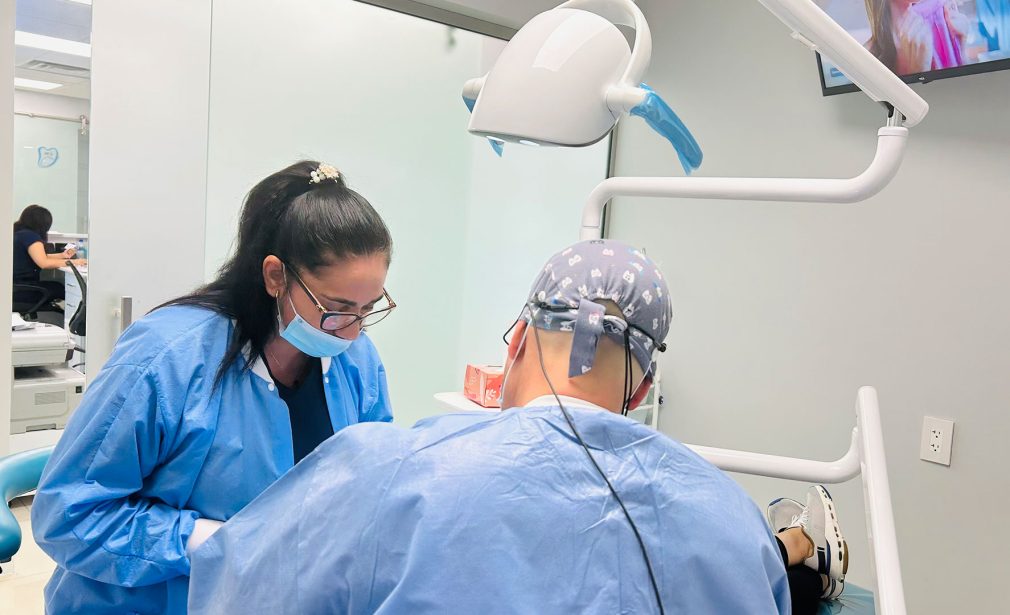
Dental Implants in Miami for Replacing Missing Teeth
Dental Implants in Miami can provide a stable option for replacing one or more missing teeth. Missing teeth can affect chewing, appearance, and how the remaining teeth function together. At Dental Blush, our dental team provides an individualized evaluation of oral health, bone support, gums, bite, the missing-tooth area, and restorative goals before recommending treatment.
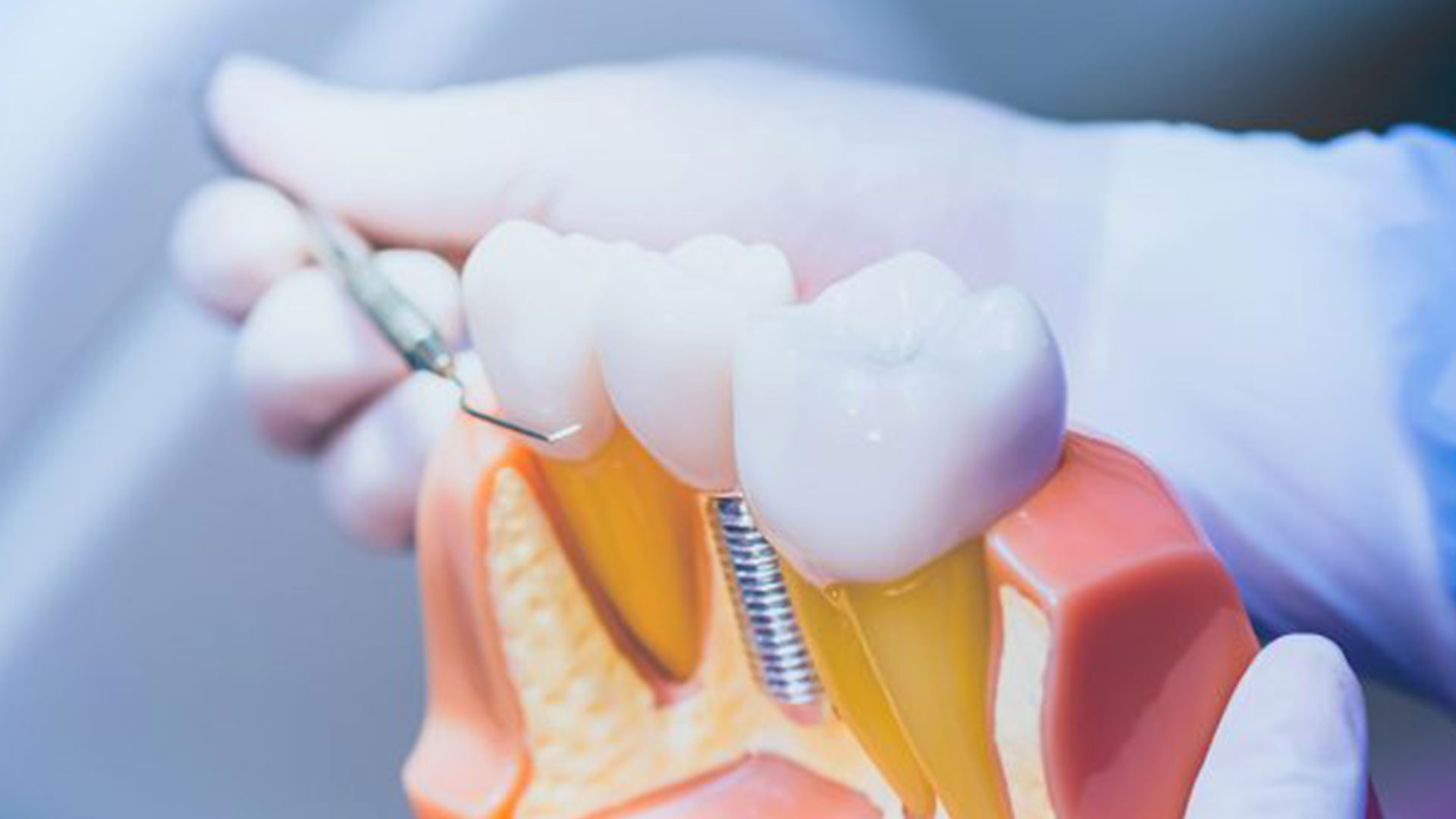
A dental implant replaces the root portion of a missing tooth. After the implant reaches the appropriate stage of healing, it can support a crown or another restoration designed to replace the visible portion of the tooth.
If you are searching for dental implants near me in the Miami area, our office is located in Tamiami on SW 8th St near FIU, inside InterPlaza Shopping Center. We welcome patients and families from Tamiami, Sweetwater, Westchester, Fountainebleau, Westwood Lakes, Olympia Heights, University Park/FIU, and nearby Miami-Dade communities.
Dr. Jose Seota evaluates patients considering implant treatment at our Miami office. Our team can also explain expected costs, insurance benefits, financing options, and the steps involved in replacing a missing tooth.
If you are missing a tooth or exploring replacement options, call (305) 553-0666. We speak English and Spanish / Hablamos inglés y español.
When you are ready to discuss replacing a missing tooth, you can request your visit through our Appointment Today page.
Meet Dr. Jose Seota
Dr. Jose Seota, Florida Dental License DN25164, provides dental implant care at Dental Blush and brings years of clinical experience to evaluation and treatment planning. His background includes oral surgery, prosthetic rehabilitation, comprehensive treatment planning, and advanced surgical training.
Dr. Seota takes time to explain what he sees, why he recommends a particular treatment, and what patients can expect throughout the process. Clear communication can be especially helpful when treatment involves several stages or when a patient is comparing different ways to replace a missing tooth.
Each implant case is evaluated individually. Bone support, gum health, the number and location of missing teeth, bite, medical history, restorative needs, and personal treatment goals can all influence the treatment plan.
How an Implant Replaces a Missing Tooth
A dental implant is a small post that the dentist places into the jawbone to create a foundation for a replacement tooth. During healing, the surrounding bone can integrate with the implant and provide support for the planned restoration.
For a single missing tooth, the final restoration is often a custom dental crown. Depending on the number of missing teeth and the treatment plan, implants may also support other types of tooth replacement.
For additional general information, you can review the American Dental Association information about dental implants.
Why Replace a Missing Tooth?
A missing tooth can affect more than appearance. Depending on its location, tooth loss may change the way you chew or speak, and nearby teeth may shift into the open space over time.
Replacing a missing tooth may help restore function and create a more complete smile. The right option depends on your oral health, available bone, the missing tooth’s location, restorative needs, and personal treatment goals.
Potential Benefits of Implant-Supported Tooth Replacement
Implant treatment can offer several advantages when the dentist determines that it fits your clinical needs.
- Replacing one or more missing teeth with a stable foundation
- Restoring chewing function in the treated area
- Supporting a custom tooth-colored restoration
- Replacing a missing tooth without relying on neighboring teeth for a traditional bridge
- Supporting certain implant-retained tooth replacement options
- Helping restore the appearance of a complete smile
Every case is different. Your dentist will explain the benefits, limitations, alternatives, and treatment considerations for your individual situation.
Who May Be a Candidate?
Dr. Seota begins the evaluation by determining whether the mouth and surrounding tissues can support the planned implant treatment. Adequate bone and healthy supporting tissues play an important role in treatment planning.
General health, dental health, medical history, oral hygiene, smoking or tobacco use, medications, and other individual factors can also affect treatment planning and healing.
Some patients can proceed directly with planning, while others may need additional care before treatment begins. The evaluation helps determine the sequence that best fits your needs.
What to Expect During Your Consultation
A consultation gives you an opportunity to discuss the tooth or teeth you want to replace and better understand which options fit your situation.
During the evaluation, Dr. Jose Seota can review the treatment area, dental concerns, relevant health history, bone support, gum health, and restorative goals. Depending on the case, he may also recommend dental imaging to evaluate the area more closely before establishing a final treatment plan.
For patients considering Miami dental implants, this is also the time to ask questions about placement, healing, the final restoration, expected treatment time, insurance benefits, financing options, and estimated costs. Our goal is for you to understand the recommended treatment before deciding how you would like to proceed.
Why Bone Support Matters
Bone support matters because the implant relies on the jawbone for stability.
When a tooth has been missing for some time, the bone in that area may change. Dental imaging and a clinical examination help Dr. Seota evaluate the available bone, nearby structures, and planned treatment area.
If the existing bone does not provide adequate support, the dentist may recommend a procedure such as bone grafting as part of the treatment plan.
What Happens During Treatment?
Dental implant treatment in Miami usually involves several stages. The exact sequence and timing depend on the individual patient, treatment site, bone condition, and planned final restoration.
- Initial evaluation: The dentist examines your mouth, reviews your health and dental history, and discusses the missing tooth or teeth.
- Diagnostic planning: Dental imaging helps evaluate available bone, nearby structures, restorative space, and treatment needs.
- Implant placement: The dentist places the implant into the planned area of the jawbone.
- Healing: The surrounding bone needs time to heal and integrate with the implant.
- Final restoration: After healing reaches the appropriate stage, the dentist completes the planned tooth replacement.
Your dentist will explain the sequence for your case before treatment begins.
How Long Does Treatment Take?
No single treatment timeline applies to every case. Healing time depends on the treatment site, available bone, individual healing response, additional procedures, and the type of final restoration.
Some cases require several months between implant placement and completion of the final restoration. Our team can provide a more individualized estimate after evaluating the treatment area.
Single-Tooth Dental Implants in Miami
When one tooth is missing, an implant can support a custom restoration without using neighboring teeth as anchors for a traditional bridge.
Dr. Seota plans the implant and final restoration together because implant position, available space, bite, gum contours, bone support, and appearance can all influence the result.
Replacing Multiple Missing Teeth
Implant treatment is not limited to replacing a single tooth. Depending on the number and location of missing teeth, available bone, and treatment plan, implants may support restorations that replace several teeth.
For patients comparing implant-supported tooth replacement with other options, the number of missing teeth and the condition of the supporting bone can influence which approach may fit their needs.
Gum Health and Long-Term Support
Healthy tissues around an implant play an important role in long-term maintenance. Active gum problems may need attention before or during treatment planning.
Dr. Seota evaluates the gums and supporting tissues during the consultation. When periodontal treatment is appropriate, you can learn more about our periodontal care in Miami and the role healthy supporting tissues play in dental treatment.
Dental Implants in Miami vs. Dentures
Dental implants and dentures both replace missing teeth, but they work differently. Traditional dentures are removable, while implants can provide a fixed foundation in the jaw for certain restorations.
One option is not automatically better for every patient. Oral health, missing teeth, available bone, treatment goals, maintenance needs, comfort, and budget can all influence the decision.
Patients comparing implant-supported treatment with removable tooth replacement can also review our Dentures in Miami page.
How Much Do Dental Implants Cost in Miami?
Treatment costs depend on what each patient needs. A single-tooth case often includes several components, including implant placement, an abutment, a final restoration, and diagnostic imaging.
The fees shown below are current minimum office fees at Dental Blush. Not every patient needs every procedure listed. The final cost depends on the condition of the treatment area, available bone, gum health, implant location, restorative needs, and individual treatment plan.
Common Treatment Fees
- D6010 – Endosteal Implant Placement: $1,087. The dentist places the implant body into the jawbone to replace the root portion of the missing tooth and create a foundation for the final restoration.
- D6056 – Prefabricated Abutment: $500. The abutment connects the dental implant to the planned final restoration.
- D6057 – Custom Abutment: $500. A custom abutment may be used when the implant position, surrounding tissues, or restorative requirements call for an individually designed component.
- D6058 – Full Porcelain/Ceramic Crown: $1,000. The crown replaces the visible portion of the missing tooth and completes the restorative part of treatment when this procedure applies.
- D6065 – Full Porcelain/Ceramic Crown-Implant: $1,100. This type of implant restoration may apply depending on the implant system, tooth location, bite, appearance, and restorative needs.
- D6066 – Implant Supported Crown, Porcelain Fused to High Noble Alloys: $1,200.
- D6067 – Implant Supported Crown, High Noble Alloys: $1,200.
- D0367 – CT Capture, Both Jaws: $150. CBCT imaging provides three-dimensional information that can help evaluate available bone, nearby structures, and the planned implant location when appropriate.
When Additional Procedures Are Needed
Some patients may need an extraction or bone graft before or during treatment. The dentist recommends these procedures only when the tooth condition, treatment site, or available bone makes them appropriate.
- D7140 – Routine Extraction: $200.
- D7210 – Extraction of Erupted Tooth with Bone Removal: $400.
- D6104 – Bone Graft, Implant Placement: $367.
- D7953 – Bone Replacement Graft: $450.
Patients should not add every fee above to estimate their total treatment cost. One person’s plan may require a different combination of procedures than another person’s plan.
Estimated Cost for a Single-Tooth Case
For many single-tooth cases, a complete dental implant treatment generally ranges from $2,600 to $2,800 after Dr. Seota establishes the treatment plan. The exact total depends on the restoration selected and whether the case requires extraction, bone grafting, additional imaging, or another procedure.
Dr. Jose Seota evaluates the treatment area, available bone, surrounding tissues, implant position, and restorative needs before confirming the recommended treatment and total fee. Our team reviews the treatment plan and expected costs with you before treatment begins.
Insurance and Financing Options
Dental Blush works with many dental insurance plans, including many PPO plans and Dental Medicare Advantage plans. Implant benefits vary by plan, and the insurance company makes the final determination regarding benefits and payment.
Our team can review available benefit information and explain what your plan may contribute toward treatment, when possible.
For patients who need additional flexibility, financing options are available with multiple companies. Dental Blush also offers Dental Discount Plans for eligible patients who want another way to manage dental care costs.
Long-Term Care and Maintenance
Long-term care requires consistent oral hygiene and professional dental care. Although the implant restoration itself cannot develop a cavity, plaque and inflammation can affect the gums and supporting tissues around the implant.
Daily brushing, cleaning around the restoration, and regular dental evaluations help the dental team monitor the gums, bite, restoration, and overall oral health.
Your dental team can provide individualized recommendations based on the type and location of your implant restoration.
Frequently Asked Questions About Dental Implants in Miami
What happens during an implant consultation?
During a consultation, Dr. Jose Seota can evaluate the treatment area, discuss the tooth or teeth you would like to replace, review relevant health and dental information, and explain what examination or imaging may help develop an individualized treatment plan.
How long can dental implants last?
Implant longevity varies from person to person. Oral hygiene, gum and bone health, bite forces, smoking or tobacco use, medical factors, maintenance, and the condition of the restoration can all affect long-term outcomes.
What should I expect for comfort during treatment?
Local anesthesia can help keep the treatment area comfortable during implant placement. Sensations and recovery vary by procedure and individual case, so your dentist will explain what to expect.
How do I know if I have enough bone?
A clinical examination and dental imaging help Dr. Seota evaluate available bone and determine whether the treatment area may need an additional procedure before or during placement.
Can implants replace more than one missing tooth?
Yes. Depending on your dental condition and treatment plan, implants may support restorations that replace one tooth or multiple missing teeth.
How do implants compare with dentures?
Implants and dentures have different requirements, maintenance needs, advantages, limitations, and costs. Your dentist can explain how those differences apply to your oral health and tooth-replacement goals.
How much does a single-tooth implant cost in Miami?
For many single-tooth cases at Dental Blush, complete treatment generally ranges from $2,600 to $2,800 after we establish the treatment plan. Additional procedures such as extraction, bone grafting, or imaging can affect the final cost.
Do you provide consultations in Spanish?
Yes. We speak English and Spanish / Hablamos inglés y español. Patients looking for information about implantes dentales en Miami can discuss evaluation, treatment options, costs, insurance information, financing, and treatment steps with our team in Spanish.
Visit Our Tamiami Office
Dental Blush is located at 12260 SW 8th St, Suite 226, Miami, FL 33184, inside InterPlaza Shopping Center in Tamiami, Miami-Dade County.
Our office welcomes patients and families from Tamiami, Sweetwater, Westchester, Fountainebleau, Westwood Lakes, Olympia Heights, University Park/FIU, and nearby Miami-Dade communities.
For directions, open our Dental Blush location on Google Maps.
Considering Tooth Replacement?
If you are missing one or more teeth, an evaluation can help determine whether implant treatment fits your oral health, available bone, restorative needs, and tooth-replacement goals.
Call (305) 553-0666 to speak with our team about treatment options, costs, insurance, financing, or appointment availability.
If you prefer to send us a message, you can reach our team through our Contact Us page.