
Dental Radiographs in Miami for Clearer Diagnosis and Treatment Planning
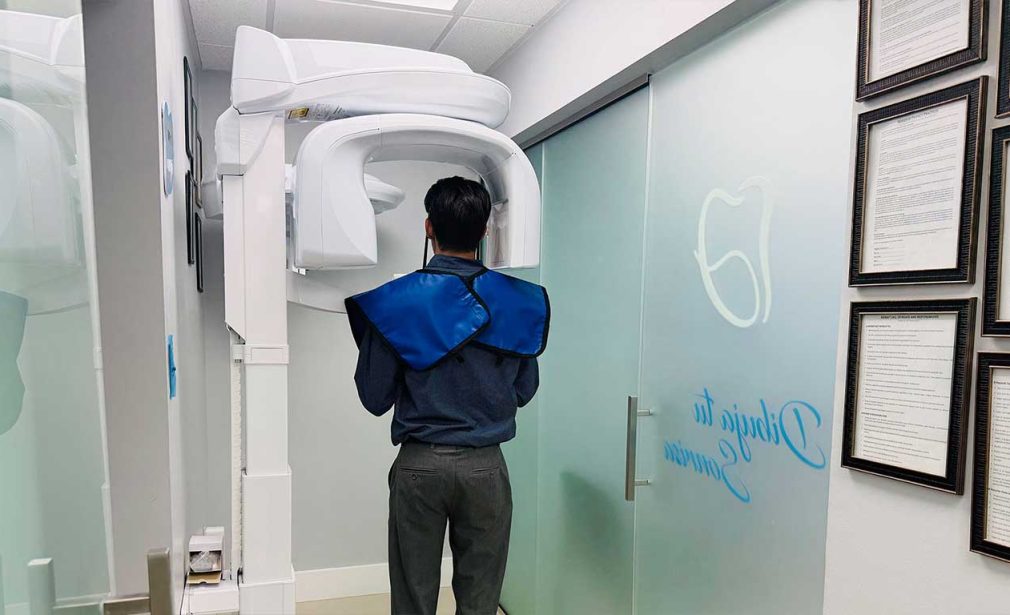
Dental Radiographs in Miami, commonly called dental X-rays, help dentists evaluate areas of the teeth, roots, bone, and surrounding structures that may not be fully visible during a clinical exam. At Dental Blush, our dental team uses diagnostic imaging when it can provide useful information for diagnosis, oral health evaluation, or treatment planning.
Depending on your needs, digital dental X-rays in Miami may include bitewing, periapical, panoramic, or CBCT 3D imaging. Your dentist selects the right image type based on your symptoms, dental history, exam findings, previous radiographs, and the treatment being considered.
If you are searching for dental X-rays near me, Dental Blush is located in Tamiami on SW 8th Street, near FIU. Our Miami office provides digital dental imaging when clinically appropriate for diagnosis and treatment planning.
Dental X-rays are not automatically necessary at every visit. Our goal is to obtain images when they provide meaningful clinical information while avoiding unnecessary or duplicate imaging.
We speak English and Spanish / Hablamos inglés y español.
If you have questions about dental X-rays, panoramic imaging, CBCT 3D imaging, insurance, or an upcoming dental visit, call (305) 553-0666.
When you are ready to schedule a dental evaluation, request your visit through our Appointment Today page.
Why Dentists Use Dental Radiographs
A visual dental examination provides important information about your oral health. However, some structures lie beneath the gums, within the teeth, between the teeth, or inside the jawbone.
During an examination, the dentist evaluates your symptoms, dental history, oral health, and clinical findings before determining whether diagnostic imaging is needed. Dr. Jose Seota is one of our Miami dentists, with clinical experience that includes dental examinations, radiographic diagnosis, root canal treatment, dental implants, and comprehensive treatment planning.
Dental radiographs can provide additional information when the dentist needs to evaluate areas that a visual examination alone cannot fully assess.
Depending on the clinical situation, radiographs may help the dentist evaluate:
- Decay between teeth or in areas that are difficult to examine visually
- Tooth roots and surrounding bone
- Changes associated with periodontal disease
- Areas of concern around a painful or damaged tooth
- Impacted or unerupted teeth
- Existing dental restorations
- Missing teeth and tooth replacement areas
- Information needed for selected restorative, endodontic, surgical, orthodontic, or implant treatment plans
For more information on how dentists select and use dental X-rays, review the American Dental Association information on dental radiographs.
How Often Are Dental Radiographs in Miami Needed?
No single imaging schedule applies to every patient. Before recommending new radiographs, the dentist considers your current oral health, previous dental treatment, symptoms, cavity and periodontal risk, existing images, and the reason for your visit.
If another dental office has already taken useful recent radiographs, those images may help reduce unnecessary repeat imaging.
The goal is to obtain diagnostic images when they provide a meaningful clinical benefit. Select dental X-rays based on your individual needs rather than simply because a certain amount of time has passed.
Types of Dental Radiographs
Different dental X-rays show different structures. The dentist selects the image type based on the information needed for your examination, diagnosis, or treatment plan.
Bitewing Radiographs
Bitewing images show portions of the upper and lower teeth together. They can help the dentist evaluate areas between teeth and review bone levels around them.
The dentist may recommend bitewings when a visual examination alone cannot provide enough information for the clinical situation.
Periapical Radiographs
Periapical images show an individual tooth or group of teeth from the visible crown through the roots and surrounding bone.
These images can help the dentist evaluate tooth pain, root-related concerns, previous root canal treatment, trauma, or other localized dental conditions.
Panoramic Dental X-Ray in Miami
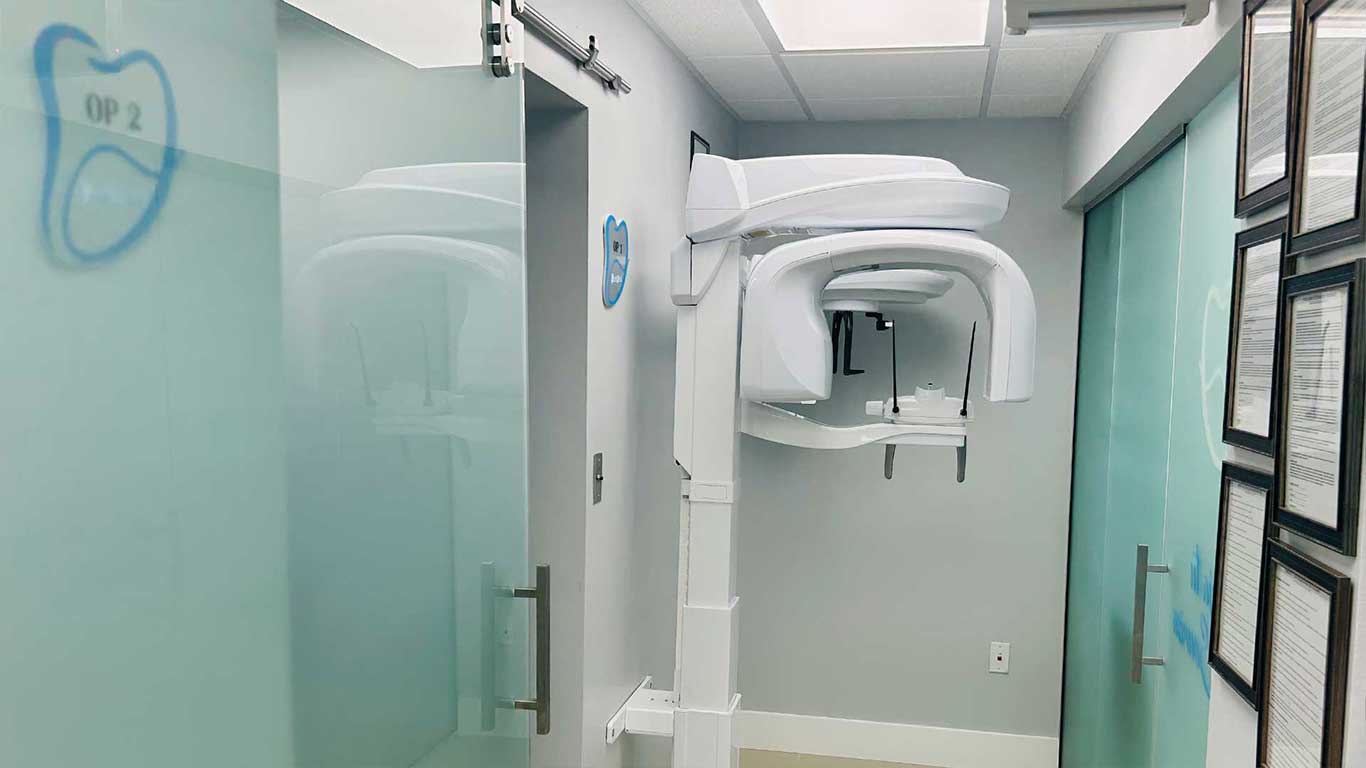
A panoramic dental X-ray in Miami provides a broad two-dimensional view of the teeth, jaws, and surrounding structures.
Depending on the clinical situation, panoramic imaging may help the dentist evaluate impacted or unerupted teeth, missing teeth, jaw structures, tooth development, and selected treatment needs.
Patients who want to know where they can get a panoramic dental X-ray can contact Dental Blush to schedule an evaluation. The dentist will determine whether panoramic imaging is appropriate for the clinical situation.
CBCT 3D Dental Imaging in Miami
Dental Blush has CBCT 3D dental imaging available at our Miami office in Tamiami. Cone-beam computed tomography, commonly called CBCT, creates three-dimensional images of the teeth, roots, bone, jaws, and surrounding anatomical structures.
CBCT in Miami provides different information from conventional two-dimensional dental radiographs. The imaging system rotates around the patient and collects information that is reconstructed into a three-dimensional view.
This additional detail can help when the dentist needs information that conventional dental X-rays cannot adequately provide.
Depending on the individual case, CBCT imaging may support evaluation or treatment planning for:
- Dental implants and surrounding bone
- Impacted or unerupted teeth, including wisdom teeth
- Certain surgical treatment needs
- Complex root canal or endodontic concerns
- Selected orthodontic situations
- Dental trauma or other complex diagnostic findings
CBCT is not necessary for every patient or every dental procedure. Because this technology uses ionizing radiation and provides more extensive imaging than conventional dental X-rays, the dentist determines whether the additional three-dimensional information is expected to provide a meaningful clinical benefit.
When CBCT is appropriate, the imaging area and equipment settings are selected according to the clinical question and the information needed for diagnosis or treatment planning.
For additional information about this technology, review the U.S. Food and Drug Administration information about dental CBCT.
Digital Dental X-Rays and Imaging in Miami
Digital dental imaging in Miami allows dental radiographs to be captured electronically instead of relying on traditional film processing.
One advantage of digital dental X-rays in Miami is that the dental team can display images electronically. This allows the dentist to review specific areas and explain relevant findings during your visit.
Digital imaging can also help the dental team obtain appropriate diagnostic images efficiently while following techniques intended to limit unnecessary radiation exposure.
Technology alone does not determine responsible radiography. The dental team must select the appropriate examination, position the equipment correctly, use suitable imaging settings, and obtain only the images needed for the clinical situation.
Intraoral Imaging in Miami
Intraoral imaging in Miami may include dental X-rays captured with a digital sensor positioned inside the mouth.
These images can provide detailed information about individual teeth, roots, surrounding bone, areas between teeth, and localized dental concerns.
The dentist determines when intraoral images are appropriate based on the examination, symptoms, treatment needs, and available previous radiographs.
Radiation Exposure and Dental X-Rays
Dental X-rays use ionizing radiation. For that reason, the dentist should have a clinical reason for recommending an image and expect it to provide useful diagnostic or treatment information.
The amount of radiation varies according to the type of dental image, equipment, imaging area, and technique used. Current recommendations emphasize obtaining radiographs when clinically necessary while avoiding unnecessary or duplicate imaging.
CBCT provides substantially more three-dimensional information than routine two-dimensional dental radiographs. For that reason, the dentist evaluates whether the additional information can help answer a specific clinical question before recommending the examination.
If you have concerns about radiation or want to understand why the dentist recommends a particular image, our dental team can explain the purpose of the examination and the information it is expected to provide.
Dental X-Rays and Cavities
The dentist cannot completely examine every area where tooth decay may develop simply by looking inside the mouth.
When clinically appropriate, Dental Radiographs in Miami may help evaluate areas between teeth, beneath or around existing restorations, and other locations that can be difficult to examine visually.
An X-ray does not replace the clinical examination. The dentist interprets the image together with your dental history, symptoms, and examination findings.
Dental Radiographs and Gum Health
Periodontal disease can affect the bone supporting the teeth. Dental radiographs can show changes in bone levels that the appearance of the gums alone may not reveal.
Radiographs provide only one part of a periodontal evaluation. The dentist also considers gum inflammation, bleeding, periodontal pocket measurements, recession, tooth mobility, plaque, tartar, and other clinical findings.
If your gums require further evaluation, visit our Dental Periodontics in Miami page.
Dental Imaging for Tooth Pain and Root Canal Evaluation
When a tooth hurts, diagnostic imaging may help the dentist evaluate the roots, surrounding bone, existing restorations, and other structures related to the problem.
Radiographs alone cannot explain every type of tooth pain. The dentist combines the images with your symptoms, examination findings, dental history, and other diagnostic tests.
If the evaluation suggests that treatment may be needed inside the tooth, our Root Canal in Miami page explains this treatment and when it may be considered.
Dental Radiographs for Implant Planning
Dental implant planning requires an understanding of the area where an implant may be placed, including available bone and surrounding anatomical structures.
The individual treatment plan determines the type of diagnostic imaging needed. In some situations, conventional radiographs provide the information the dentist needs. In others, CBCT 3D imaging may provide additional detail about the bone and nearby structures.
Patients considering replacement of missing teeth can learn more about evaluation and treatment options on our Dental Implants in Miami page.
Do You Need X-Rays With Every Teeth Cleaning?
No. A professional dental cleaning and dental radiographs serve different purposes.
A cleaning removes plaque and tartar as part of preventive dental care. Radiographs provide diagnostic images when the dentist needs information that a clinical examination alone cannot provide.
Your dental history, examination findings, previous images, symptoms, and individual risk factors help determine whether your dentist recommends digital dental X-rays in Miami during a preventive visit.
What Happens During a Dental X-Ray?
The process depends on the type of image the dentist needs.
For some intraoral radiographs, the dental team positions a digital sensor inside the mouth. The imaging equipment is then aligned with the area being evaluated.
Panoramic and CBCT systems capture images while the equipment moves around the outside of the patient’s head. During CBCT imaging, the patient remains positioned while the system collects the information used to create the three-dimensional image.
The actual image capture usually takes only a short amount of time.
Some patients find intraoral sensors more noticeable than others, particularly when the mouth is sensitive or certain areas are difficult to reach. Let the dental team know if positioning feels uncomfortable so they can make adjustments when possible.
When Dental Imaging May Be Needed for an Urgent Problem
Tooth pain, swelling, trauma, a damaged restoration, or signs of infection may require diagnostic imaging as part of an urgent dental evaluation.
The dentist selects the images according to the location of the problem, examination findings, symptoms, and the information needed to determine appropriate care.
If you have significant dental pain, swelling, trauma, or another urgent concern, visit our Emergency Dentist in Miami page or call (305) 553-0666 to ask about current availability.
Dental Radiographs in Miami Costs and Insurance
The cost of dental imaging depends on the type and number of images that are clinically needed.
The fees shown below are current minimum office fees at Dental Blush. Not every patient needs the same type of diagnostic imaging. The dentist determines which images are appropriate based on your examination, symptoms, previous radiographs, diagnosis, and treatment planning needs.
- D0330 – Panoramic Image: $75.
- D0367 – CT Capture, Both Jaws: $150.
A panoramic image provides a broad two-dimensional view of the teeth and jaws. CBCT imaging provides three-dimensional diagnostic information when the dentist determines that additional detail is clinically useful.
Cost may also vary depending on whether imaging is part of a preventive examination, diagnostic visit, emergency evaluation, or treatment plan. Additional images or procedures are not automatically required for every patient.
Dental Blush works with many PPO dental insurance plans, Dental Medicare Advantage plans, and Dental Discount Plans. Each plan establishes its own diagnostic imaging benefits, frequency limitations, deductibles, annual maximums, exclusions, and other coverage requirements.
Our team can help review available insurance information when possible. However, the insurance company or plan administrator makes the final determination regarding coverage and payment.
Financing options are available with multiple companies for eligible treatment when you need additional flexibility. Learn more on our Dental Financing page.
Frequently Asked Questions About Dental Radiographs
How Often Do I Need Dental X-Rays?
There is no universal interval for every patient. The dentist considers your oral health, dental history, symptoms, disease risk, previous radiographs, and current treatment needs before recommending new images.
Are Digital Dental X-Rays Safe?
Dental X-rays use ionizing radiation. Dentists recommend them when the expected diagnostic or treatment benefit justifies the exposure.
Modern dental imaging lets dentists choose the type and extent of imaging based on individual clinical needs while taking steps to limit unnecessary radiation exposure.
Do Dental X-Rays Hurt?
The X-ray exposure itself does not cause pain.
Some intraoral sensors may feel uncomfortable or create pressure while positioned inside the mouth, especially in sensitive areas. Let the dental team know if positioning feels difficult or uncomfortable.
Can Dental X-Rays Find Cavities Before They Hurt?
Yes. Radiographs can help identify certain areas of decay before symptoms develop, particularly in locations that cannot be fully evaluated visually.
The dentist interprets those images together with the clinical examination and your dental history.
Do I Automatically Need X-Rays as a New Patient?
Not necessarily. A clinical examination, dental history, symptoms, risk factors, treatment needs, and any useful recent radiographs help the dentist determine whether additional imaging can provide meaningful information.
Where Can I Get a Panoramic Dental X-Ray in Miami?
Dental Blush provides panoramic dental imaging when clinically appropriate at our Miami office in Tamiami. The dentist evaluates your needs before determining whether a panoramic X-ray or another type of dental image is appropriate.
What Is the Difference Between a Regular Dental X-Ray and a CBCT Scan?
Conventional dental radiographs create two-dimensional images. CBCT creates three-dimensional information about teeth, bone, roots, jaws, and surrounding anatomical structures.
Because CBCT provides more extensive diagnostic information, the dentist recommends it when the additional three-dimensional view can help answer a specific clinical question or support treatment planning.
Is CBCT Available at Dental Blush in Miami?
Yes. CBCT 3D dental imaging is available at our Miami dental office in Tamiami. The dentist determines whether CBCT is appropriate based on your examination, symptoms, treatment needs, previous imaging, and the diagnostic information required for your individual situation.
Can I Bring Dental X-Rays From Another Dentist?
Yes. Existing diagnostic-quality images can be helpful when they are recent enough and show the areas the dentist needs to evaluate.
After reviewing them, the dental team can determine whether any additional images are necessary.
Do You Explain Dental X-Rays in Spanish?
Yes. We speak English and Spanish / Hablamos inglés y español.
You can ask questions about your dental images, why a particular examination is being recommended, findings, costs, insurance, or treatment planning in Spanish or English.
Dental X-Rays Near Tamiami, SW 8th St, and FIU
Dental Blush is located inside InterPlaza Shopping Center at 12260 SW 8th St, Suite 226, Miami, FL 33184.
Our Miami office in Tamiami serves patients and families in Sweetwater, Westchester, Fountainebleau, Westwood Lakes, Olympia Heights, University Park, the FIU area, and nearby communities.
Office hours are Monday through Friday, 9:00 AM to 6:00 PM, and Saturday, 8:00 AM to 3:00 PM. The office is closed on Sunday.
Have Questions About Dental Radiographs in Miami?
Our dental team uses digital X-rays, panoramic imaging, intraoral imaging, and on-site CBCT 3D dental imaging based on each patient’s clinical needs rather than using the same imaging approach for everyone.
To speak with our team about dental imaging, an examination, insurance information, or treatment needs, call (305) 553-0666.
If you prefer to send us a message or have additional questions, reach our team through the Contact Us page.