
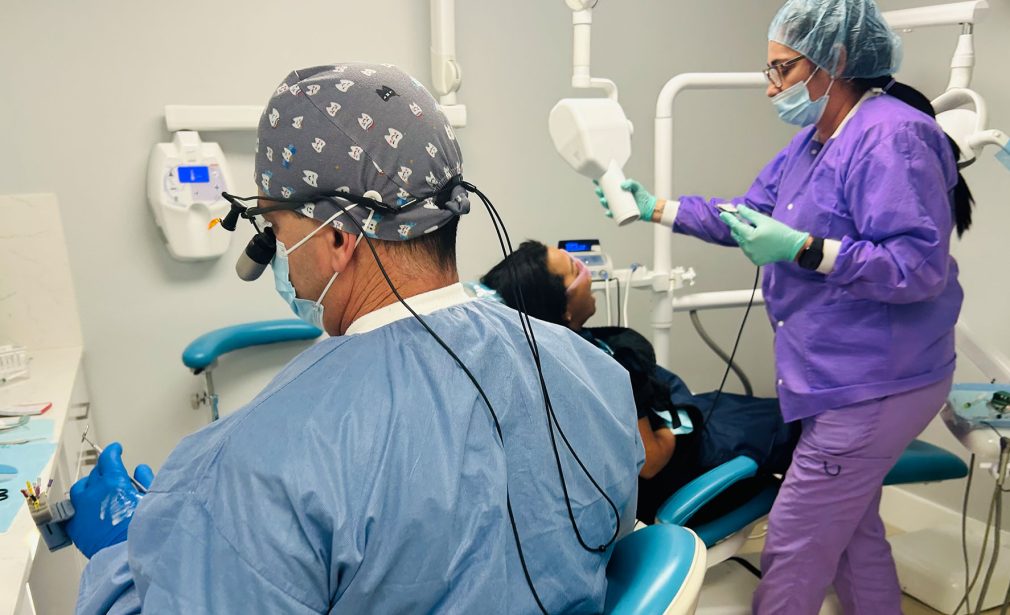
Root Canal in Miami for Tooth Pain, Infection, and Damaged Teeth
A Root Canal in Miami may help preserve a natural tooth when inflammation or infection affects the tissue inside it. Persistent tooth pain, discomfort when biting, swelling, or sensitivity that continues after hot or cold exposure can sometimes indicate a problem inside the tooth.
At Dental Blush, our dental team evaluates the tooth, your symptoms, and appropriate diagnostic information before determining whether root canal treatment or another approach may be appropriate.
If you are searching for a root canal near me because of persistent tooth pain, lingering sensitivity, swelling, or discomfort when chewing, our Tamiami office can evaluate the tooth and help you understand what may be causing the problem.
Tooth pain or sensitivity does not automatically mean you need a root canal. Deep decay, cracks, previous dental work, trauma, gum problems, and other conditions can cause similar symptoms. An examination helps determine what is happening before treatment begins.
To speak with our team about tooth pain, swelling, sensitivity, or a possible root canal, call (305) 553-0666.
When you are ready to have the tooth evaluated, request your visit through our Appointment Today page. Tell us what you are experiencing so our team can help you prepare for your visit.
Root Canal Care with Dr. Jose Seota
Dr. Jose Seota provides root canal treatment at Dental Blush and brings extensive clinical experience evaluating and treating conditions that affect the pulp and root canal system. His professional background includes endodontics, restorative dentistry, diagnostic evaluation, and additional training in advanced endodontic techniques.
Clear communication is central to his approach. Dr. Seota takes time to explain the source of a dental problem, discuss the recommended treatment, and answer questions before care begins. That can be especially helpful when someone arrives with pain or uncertainty about what may be happening.
Each tooth is evaluated individually. Symptoms, remaining tooth structure, previous dental treatment, pulp condition, surrounding tissues, and restorative needs can all influence the recommended plan.
When Might You Need Root Canal Treatment?
The soft tissue inside a tooth is called the pulp. Deep decay, cracks, trauma, repeated dental treatment, or problems with an existing restoration can sometimes cause the pulp to become inflamed or infected.
Symptoms vary from one person to another, and some affected teeth may produce few symptoms at first. A dental evaluation is necessary before confirming whether root canal treatment is needed.
Signs that may indicate a problem inside the tooth include:
- Persistent or severe tooth pain
- Pain or pressure when biting or chewing
- Lingering sensitivity to hot or cold
- Swollen or tender gums near a tooth
- A pimple-like area on the gum
- A cracked or damaged tooth
- A tooth that becomes noticeably darker
For additional information, the American Association of Endodontists explains root canal symptoms and treatment in more detail.
Tooth Sensitivity and Root Canal Treatment
Patients sometimes search for tooth sensitivity treatment in Miami because a tooth reacts strongly to hot or cold temperatures. Sensitivity can have several causes, and not every sensitive tooth needs root canal treatment.
When discomfort lingers after the temperature stimulus is removed, becomes more intense, or occurs together with biting pain or swelling, the dentist may need to evaluate whether the pulp inside the tooth is irritated or inflamed.
The goal of the examination is to identify the cause of the sensitivity first. If the pulp is healthy, another treatment may be more appropriate. If the pulp is irreversibly inflamed or infected and the tooth can be restored, root canal treatment may be considered.
How Root Canal Treatment Works
During root canal treatment, the dentist removes inflamed or infected tissue from inside the tooth. The procedure then focuses on cleaning, shaping, disinfecting, filling, and sealing the root canal system.
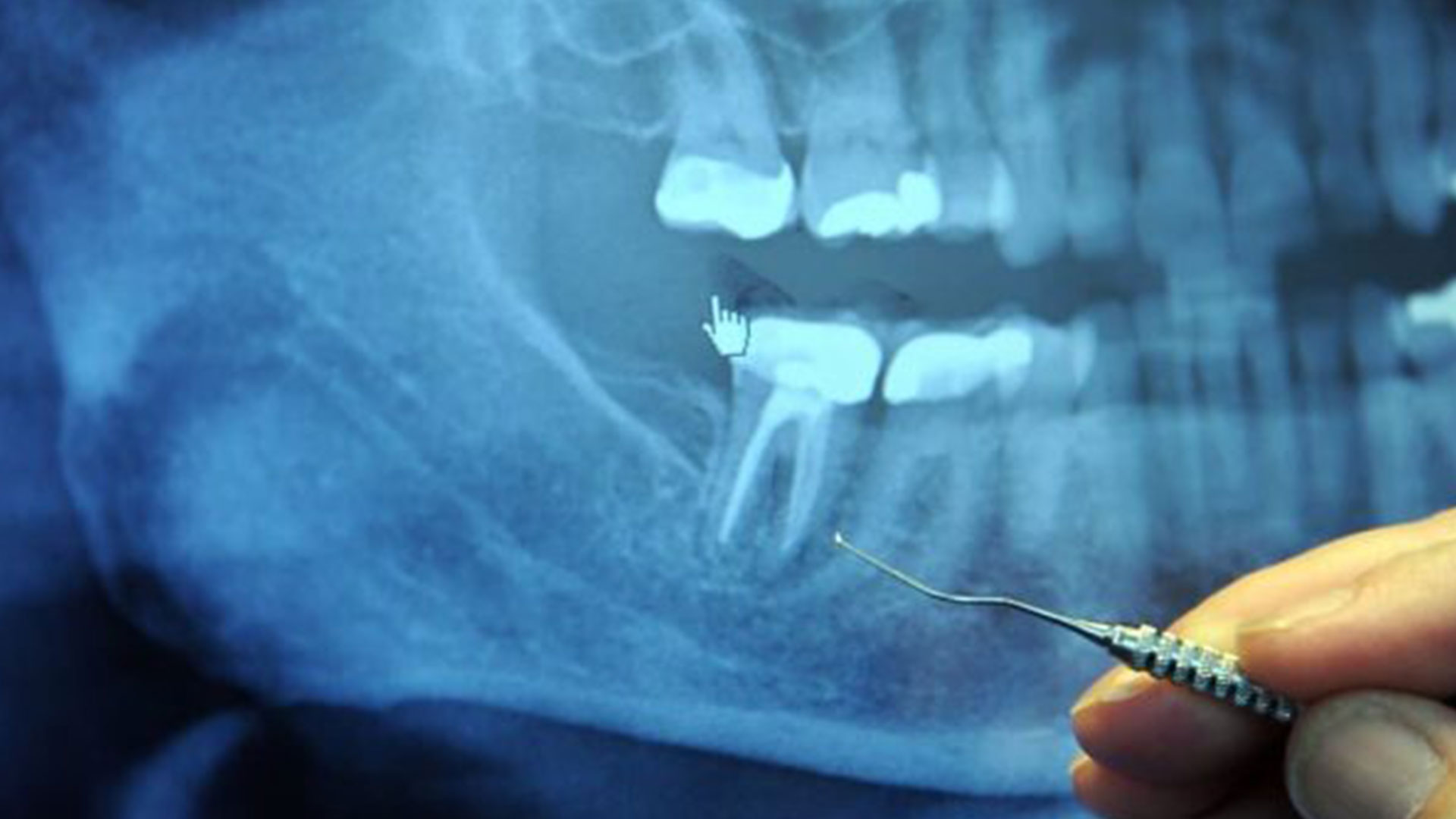
Before treatment, the dentist examines the tooth and may use dental imaging to evaluate the roots, surrounding bone, and other structures that can affect treatment planning.
Local anesthesia helps keep the treatment area comfortable. Your dentist will explain the planned steps for your tooth before the procedure begins.
What Happens During Root Canal Treatment?
The exact process depends on the tooth and the condition being treated. However, a Root Canal in Miami generally involves several stages.
- Evaluation: The dentist examines the tooth, reviews your symptoms, and evaluates diagnostic information.
- Anesthesia: Local anesthesia helps keep the treatment area comfortable.
- Cleaning the canals: The dentist removes the affected pulp tissue and cleans and shapes the root canal system.
- Sealing the tooth: The canals are filled and sealed to protect the treated space.
- Restoration: The tooth may need a filling, crown, or another restoration after root canal treatment.
Your dentist will explain whether treatment may be completed in one visit or whether an additional appointment is needed, depending on the individual case.
Does a Root Canal Hurt?
Many people associate root canal treatment with pain, but the procedure itself is performed with local anesthesia. Treatment is often recommended because inflammation or infection inside the tooth is already causing discomfort.
Some tenderness or sensitivity may occur after the procedure. Your dentist will explain what to expect and provide instructions for caring for the treated area during recovery.
Contact the office if pain or swelling becomes persistent, worsens, or does not follow the recovery pattern your dentist explained.
Why Saving the Natural Tooth Can Matter
When a tooth can reasonably be restored, root canal treatment may help preserve the natural tooth rather than removing it.
Keeping a natural tooth can help maintain chewing function, tooth spacing, and the existing bite. However, the dentist must first determine whether enough healthy tooth structure and support remain for the tooth to function after treatment.
Saving a tooth is not always possible. Extensive cracks, severe structural damage, advanced periodontal problems, or other conditions can change the treatment recommendation.
Root Canal or Tooth Extraction?
Patients sometimes wonder whether removing a painful tooth would be easier than completing root canal treatment. The answer depends on whether the tooth can still be predictably restored.
If enough healthy and restorable tooth structure remains, a Root Canal in Miami may help preserve the tooth. When the tooth cannot reasonably be saved, extraction and future tooth-replacement options may need to become part of the discussion.
The goal is not simply to perform a procedure. The dentist evaluates the condition of the tooth and recommends the approach that best fits the individual clinical situation.
Will I Need a Crown After Root Canal Treatment?
Some teeth need a crown after root canal treatment, especially when decay, cracks, previous restorations, or treatment have left less healthy tooth structure.
Back teeth also handle significant chewing forces. For that reason, your dentist may recommend additional protection depending on the tooth’s condition.
Not every treated tooth requires the same restoration. Your dentist will evaluate the remaining structure, location, bite, and restorative needs before making a recommendation.
If a crown becomes part of your treatment plan, learn more about a Dental Crown in Miami and how it may help protect a restored tooth.
What If I Have Severe Tooth Pain or Swelling?
Strong tooth pain, swelling, pressure, or other signs of infection deserve prompt dental attention. Waiting for symptoms to worsen can make a dental problem harder to manage.
An urgent dental examination can help determine whether you need root canal treatment, another dental procedure, or a different level of care.
If your symptoms require urgent evaluation, you can also review our Emergency Dentist in Miami page for information about emergency dental care and current availability.
How Long Does a Root Canal Take?
Treatment time varies based on the tooth, number of canals, anatomy, condition of the pulp and surrounding tissues, and overall complexity of the case.
Some treatments can be completed in one visit, while others may require another appointment. After examining the tooth, your dentist can provide a more individualized estimate.
How Much Does a Root Canal in Miami Cost?
The cost of a Root Canal in Miami depends in part on the type of tooth being treated. At Dental Blush, our current root canal treatment fees are:
- Anterior tooth: $799
- Premolar: $889
- Molar: $980
These are the current fees for root canal treatment based on tooth type. Not every patient requires the same additional care. If the tooth needs a buildup, crown, filling, or another restoration, our team will review the complete treatment plan and estimated cost with you before you decide how to proceed.
Dental Blush works with many PPO dental insurance plans. Root canal benefits vary between plans, and deductibles, copays, annual limits, waiting periods, or other requirements may affect estimated patient responsibility.
When patients need additional flexibility while planning treatment, financing options available with multiple companies may also be considered for eligible treatment costs.
Caring for Your Tooth After Root Canal Treatment
Follow your dentist’s instructions after treatment. Until the tooth receives its final restoration, you may need to take additional care when chewing on that side.
Once treatment and restoration are complete, regular brushing and cleaning between the teeth remain important. Professional dental evaluations also allow the team to monitor the treated tooth and surrounding tissues.
Your dentist can provide additional recommendations based on the tooth, final restoration, bite, and individual oral health needs.
Frequently Asked Questions About Root Canal in Miami
How do I know if I need a root canal?
Persistent tooth pain, lingering sensitivity, discomfort when biting, or swelling may indicate a problem inside the tooth. The dentist must examine the tooth and use appropriate diagnostic information before determining whether root canal treatment is necessary.
Can root canal treatment save an infected tooth?
Root canal treatment can often preserve a tooth when inflammation or infection affects the pulp and the remaining tooth structure can still support a restoration. An examination is necessary before treatment is recommended.
Can tooth sensitivity mean I need a root canal?
Sometimes, but not always. Sensitivity can have several causes. Sensitivity that lingers after hot or cold exposure or occurs together with pain, swelling, or biting discomfort may require further evaluation of the pulp inside the tooth.
Is root canal treatment painful?
Local anesthesia helps keep the treatment area comfortable. Many patients seek treatment because the tooth is already painful from inflammation or infection. Your dentist will explain what to expect before care begins.
How long does root canal treatment take?
The timeline depends on the tooth and complexity of the case. Some treatments can be completed in one visit, while others may require an additional appointment.
Will I need a crown after root canal treatment?
Some treated teeth need crowns for additional protection, while others may require a different restoration. Remaining tooth structure, bite, location, and restorative needs all influence the recommendation.
Can I need a root canal even if the tooth does not hurt?
Yes. Not every tooth with pulp inflammation or infection produces the same symptoms. Dental examinations and diagnostic imaging can sometimes identify problems before severe pain develops.
Do you provide root canal consultations in Spanish?
Yes. We speak English and Spanish / Hablamos inglés y español. Patients can ask questions about tooth pain, treatment steps, costs, insurance, financing, and follow-up care in the language they feel most comfortable using.
Root Canal Treatment Near Tamiami, SW 8th St, and FIU
Dental Blush is located inside InterPlaza Shopping Center at 12260 SW 8th St, Suite 226, Miami, FL 33184.
Our Tamiami office serves patients and families from Miami and nearby communities including Sweetwater, Westchester, Fountainebleau, Westwood Lakes, Olympia Heights, University Park, and the FIU area.
Office hours are Monday through Friday from 9:00 AM to 6:00 PM and Saturday from 8:00 AM to 3:00 PM. The office is closed on Sunday.
Concerned About Tooth Pain or Infection?
If you are considering a Root Canal in Miami, the first step is determining what is causing the problem. Tooth pain, sensitivity, and swelling can have different causes, so an examination comes before the treatment decision.
If the tooth can be preserved with root canal treatment, the dentist can explain the procedure and restorative needs. If another approach is more appropriate, our team can explain those options as well.
To speak with our team about tooth pain, swelling, sensitivity, or a root canal evaluation, call (305) 553-0666.
If you prefer to send us a message before scheduling, reach our team through our Contact Us page.