
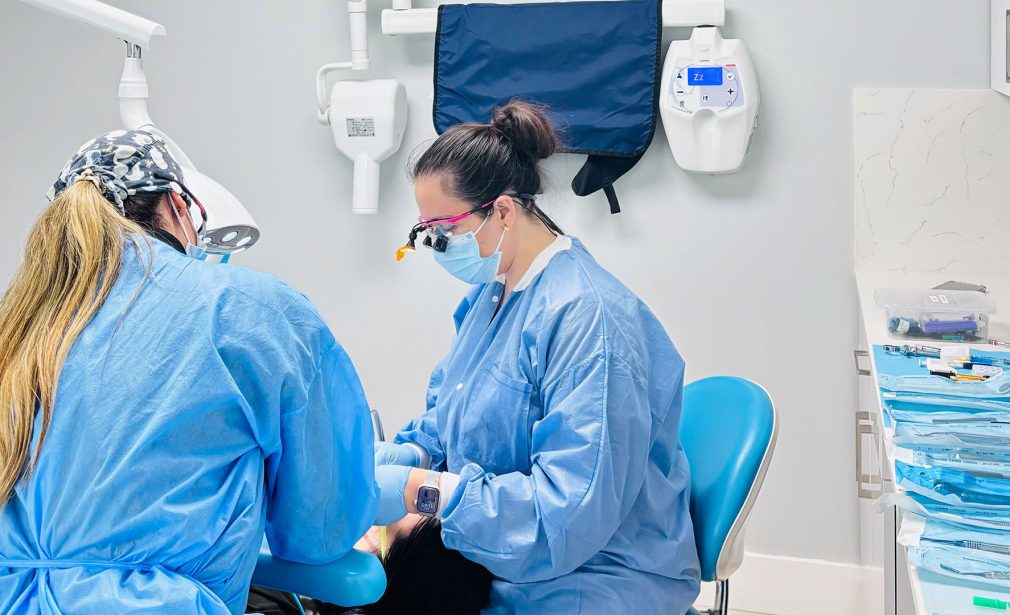
Dental Periodontics in Miami for Healthier Gums and Tooth Support
Dental Periodontics in Miami focuses on gum health and the supporting tissues around your teeth. At Dental Blush, our dental team evaluates your gum health before recommending periodontal care.
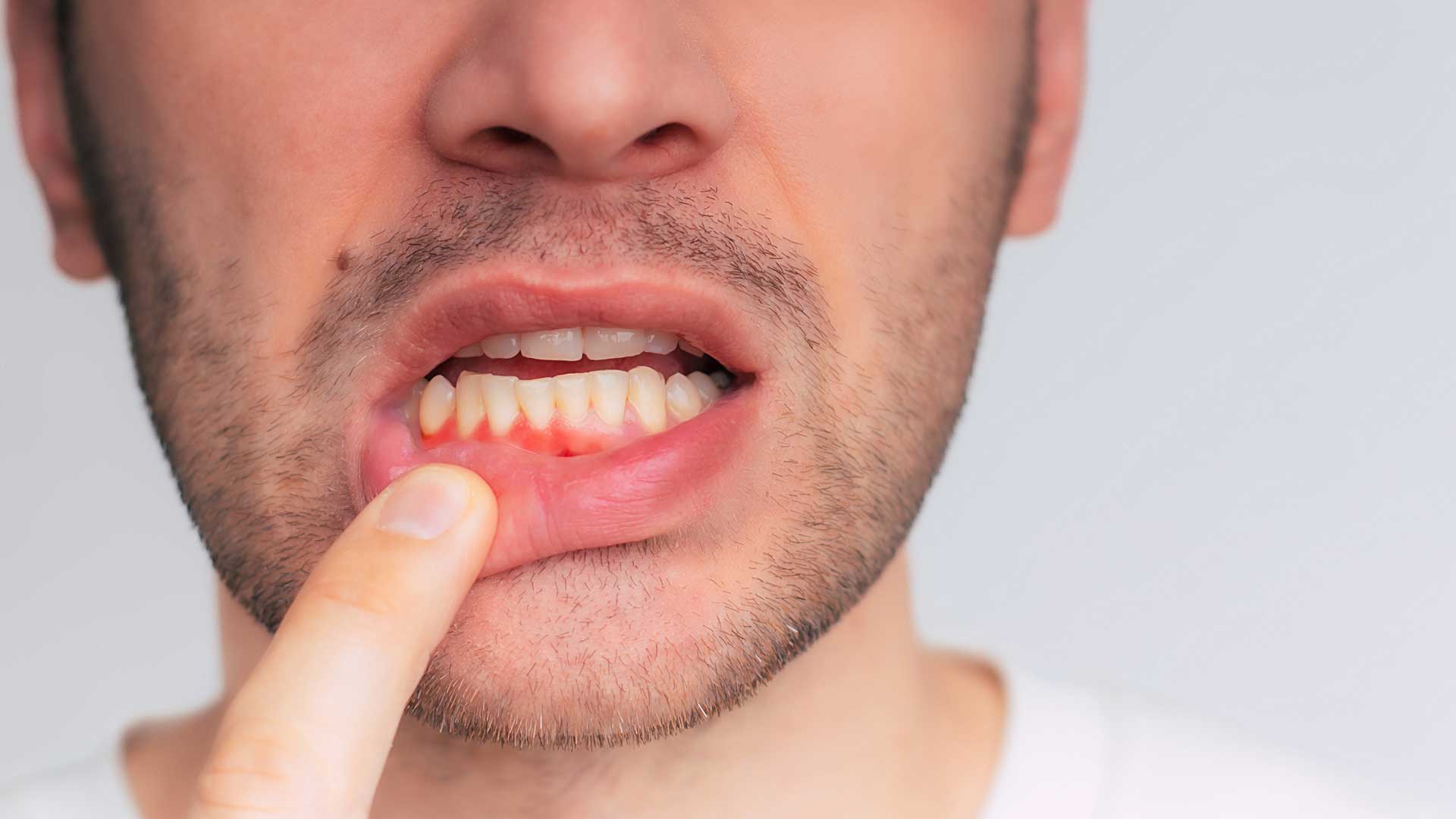
If you are searching for gum disease treatment near me, Dental Blush is located in Tamiami on SW 8th Street, near FIU. Our team can evaluate bleeding gums, swelling, gum recession, periodontal pockets, tartar buildup, tooth mobility, and other concerns before determining the most appropriate care.
Bleeding gums should not automatically be considered normal. Gingivitis, periodontitis, plaque buildup, brushing habits, medications, and other factors can affect gum health.
We speak English and Spanish / Hablamos inglés y español.
If you have bleeding gums, swelling, persistent bad breath, gum recession, or concerns about loose teeth, call (305) 553-0666.
When you are ready to have your gums evaluated, request a visit through our Appointment Today page.
Periodontal Care with Jessica Morales, RDH
Jessica Morales, RDH, is a Registered Dental Hygienist at Dental Blush whose work includes dental hygiene, preventive care, periodontal health, scaling and root planing, dental radiographs, and patient education.
Periodontal care begins with understanding the condition of the gums and supporting tissues. Jessica works with our dental team to help evaluate periodontal findings, provide appropriate hygiene care, and explain home-care recommendations based on each patient’s needs.
Understanding Gingivitis and Periodontitis
Gum disease doesn’t always start with severe symptoms. Gingivitis is an early form of gum disease that can cause red, swollen, tender, or bleeding gums.
Gingivitis treatment depends on the cause and the condition of the gums. When appropriate, care may include professional cleaning, improved plaque control, and personalized home-care recommendations.
Periodontitis affects deeper tissues that support the teeth. It can involve periodontal pockets, bone loss, and tooth mobility.
This distinction matters because gum disease treatment in Miami depends on the diagnosis. Routine preventive cleanings, gingivitis treatment, and periodontitis treatment address different clinical conditions.
For more information, review the CDC information on periodontal disease.
Signs That Your Gums May Need Evaluation
Gum disease can progress without obvious discomfort. Don’t judge changes in your gums only by whether they hurt.
Signs that may warrant an evaluation include:
- Bleeding when brushing or cleaning between the teeth
- Red, swollen, or tender gums
- Gums that appear to be pulling away from the teeth
- Persistent bad breath
- Pus or drainage near the gumline
- Changes in the way your teeth fit together
- Loose or shifting teeth
- Discomfort when chewing
These symptoms can have different causes. A clinical examination helps determine whether periodontal disease, another dental condition, or several factors are involved.
What Happens During a Periodontal Evaluation?
A periodontal evaluation looks beyond the visible surface of the gums and examines the tissues that support your teeth.
If you are searching for a periodontal exam near me in Miami, our Dental Blush office in Tamiami can evaluate gum health, periodontal pocket depths, bleeding, recession, tooth mobility, plaque and tartar buildup, and supporting bone when diagnostic imaging is clinically appropriate.
The evaluation may include:
- Examining the color and condition of your gums
- Checking for bleeding or inflammation
- Measuring periodontal pocket depths when appropriate
- Looking for gum recession
- Evaluating tooth mobility and bite changes
- Reviewing plaque and tartar accumulation
- Using dental imaging when needed to evaluate supporting bone
A periodontal evaluation can help determine whether you need routine preventive care, periodontal treatment, periodontal maintenance, or another type of dental evaluation.
Regular Cleaning vs. Periodontal Deep Cleaning
A routine dental cleaning and a periodontal deep cleaning are not interchangeable.
Routine preventive cleaning primarily manages plaque and tartar associated with regular preventive care.
Scaling and root planing, commonly called a deep cleaning, is different. It treats affected areas below the gumline when periodontal disease requires more extensive treatment.
During scaling and root planing, the dental team removes deposits and bacterial buildup from affected tooth and root surfaces below the gumline.
If you only need routine preventive care, our Teeth Cleaning in Miami page explains regular professional cleanings in more detail.
Scaling and Root Planing for Periodontal Treatment in Miami
Scaling and root planing is a nonsurgical form of periodontal therapy in Miami that may be used when periodontitis affects areas below the gumline.
The goal is to remove deposits and bacterial buildup from affected tooth and root surfaces that routine home care cannot adequately reach.
The amount of treatment needed depends on the extent and location of periodontal disease. Some patients may need treatment in selected areas, while others may require care in several parts of the mouth.
Your dental team will explain which areas require treatment and what to expect before the procedure begins.
Does Deep Cleaning Hurt?
Comfort during periodontal treatment varies from person to person. It depends on gum inflammation, pocket depth, sensitivity, the amount of buildup, and the areas being treated.
When appropriate, local anesthesia may help keep the treatment area comfortable during scaling and root planing.
Some tenderness or sensitivity may occur afterward. The dental team will explain what to expect and provide instructions based on your treatment.
What Is Periodontal Maintenance?
Periodontal maintenance is follow-up care used after periodontal treatment when ongoing monitoring and professional management are needed.
It is not simply another name for a routine cleaning.
Periodontal maintenance may involve monitoring pocket depths, bleeding, plaque and tartar accumulation, tissue changes, tooth mobility, and other periodontal findings.
The purpose is to help manage the periodontal condition over time and identify areas that may need additional attention.
How Often Is Periodontal Maintenance Needed?
No single maintenance interval applies to everyone with periodontal disease.
Your recommended schedule depends on several factors:
- Your current gum condition
- Previous periodontal treatment
- Plaque and tartar accumulation
- Periodontal pocket depths
- Individual risk factors
- Your home-care routine
- How your gums respond over time
Some patients need visits more frequently than a standard preventive schedule. Your dental team will determine an appropriate interval based on your individual periodontal condition.
Can Gum Disease Cause Loose Teeth?
Periodontitis can damage the tissues and bone that support teeth. As supporting structures are lost, some teeth may become mobile or shift position.
A loose tooth does not automatically mean that it must be removed.
The dental team first evaluates the remaining support, the severity of the periodontal condition, bite forces, and other clinical factors. They can then discuss treatment options based on those findings.
Prompt evaluation is especially important when tooth mobility appears suddenly or is accompanied by swelling, drainage, or significant discomfort.
Gum Recession Treatment in Miami
Patients searching for gum recession treatment in Miami should first have a dentist evaluate the cause of the recession. Gum recession occurs when the gum margin moves away from its previous position, exposing more of the tooth or root surface.
Periodontal disease can contribute to recession, but it may not be the only cause.
Tooth position, brushing habits, tissue characteristics, previous dental treatment, and other factors can also influence the gumline.
The appropriate approach depends on why the recession is occurring, whether active periodontal disease is present, and the condition of the surrounding tissues.
Why Gum Health Matters Before Dental Implants
Dental implants and natural teeth both depend on healthy surrounding tissues for long-term maintenance.
If active periodontal disease is present, the dental team may recommend addressing gum health before moving forward with certain implant procedures.
Patients considering tooth replacement can learn more on our Dental Implants in Miami page.
Daily Care Between Periodontal Visits
Professional periodontal care and home care work together.
Brushing and cleaning between the teeth help remove plaque before it remains around the gumline and hardens into tartar.
Your dental team may recommend adjustments to your daily routine based on periodontal pockets, tooth spacing, restorations, implants, or other individual needs.
Consistent home care does not replace professional treatment when periodontal disease is present, but it remains an important part of managing gum health between visits.
When Gum Symptoms Need Prompt Attention
Significant swelling, pus or drainage, rapidly increasing pain, sudden tooth mobility, trauma, or difficulty swallowing should not be treated as a routine cleaning concern.
The dental team may need to evaluate the problem promptly to determine whether periodontal disease, a dental infection, or another condition is causing the symptoms.
If you have severe swelling, significant dental pain, trauma, or another urgent concern, visit our Emergency Dentist in Miami page or call (305) 553-0666 to ask about current availability.
How Much Does Periodontal Treatment Cost in Miami?
The cost of periodontal treatment in Miami depends on the diagnosis, the areas needing treatment, the type of periodontal procedure, diagnostic needs, and recommended follow-up care.
The fees shown below are current minimum office fees at Dental Blush. Not every patient needs every periodontal procedure. The dental team determines which treatment is appropriate after evaluating your gums, periodontal measurements, clinical findings, and diagnostic imaging when needed.
- D4341 – Scaling & Root Planing, 4 or more teeth per quadrant: $120.
- D4342 – Scaling & Root Planing, 1 to 3 teeth per quadrant: $75.
- D4346 – Scaling in the Presence of Generalized Gingival Inflammation, Full Mouth: $100.
- D4355 – Full Mouth Debridement: $110.
- D4381 – Localized Delivery of Antimicrobial Agent: $50.
- D4910 – Periodontal Maintenance: $85.
- D4921 – Gingival Irrigation with a Medicinal Agent, per quadrant: $30.
Scaling and root planing fees depend on the number of teeth treated in each affected quadrant. A periodontal evaluation helps determine whether treatment is needed in one area, several quadrants, or whether another type of periodontal care is more appropriate.
Dental Blush works with many PPO dental insurance plans. Periodontal benefits vary by plan and may include frequency limitations, deductibles, annual maximums, documentation requirements, or other conditions.
Our team can help review available insurance information when possible, but the insurance company determines final coverage and payment.
To explore payment options for eligible treatment costs, visit our Dental Financing page. Patients looking for an alternative to traditional dental insurance can also review our Dental Discount Plans.
Frequently Asked Questions About Gum Disease and Periodontal Care
Are Bleeding Gums Normal?
Bleeding gums can occur with inflammation and should not automatically be dismissed as normal.
Gingivitis, periodontitis, plaque buildup, brushing technique, medications, and other factors can contribute. An evaluation can help determine why the gums are bleeding and whether preventive care or periodontal treatment is appropriate.
What Is the Difference Between Gingivitis and Periodontitis?
Gingivitis involves gum inflammation without the supporting bone loss associated with periodontitis.
Periodontitis affects deeper supporting tissues and can involve periodontal pockets, bone loss, and tooth mobility.
Because these conditions are different, treatment depends on the diagnosis rather than treating every gum problem the same way.
What Is a Periodontal Deep Cleaning?
Scaling and root planing is commonly called a deep cleaning. It treats affected root surfaces below the gumline by removing deposits and bacterial buildup associated with periodontal disease.
How much does scaling and root planing cost?
Current minimum office fees at Dental Blush are $120 per quadrant for D4341 when four or more teeth require scaling and root planing, and $75 per quadrant for D4342 when one to three teeth require treatment. The dental team determines the appropriate procedure after a periodontal evaluation.
Do I Need a Regular Cleaning or a Deep Cleaning?
The dental team evaluates your gums, periodontal pocket depths, tartar buildup, bleeding, bone support, and other findings.
Regular cleanings and periodontal deep cleanings address different clinical situations. An evaluation helps determine the appropriate level of care.
How Is Gingivitis Treated?
Gingivitis treatment depends on your gum condition and the factors contributing to inflammation. Professional cleaning, plaque control, and personalized home-care recommendations may be appropriate for gingivitis.
If we identify deeper periodontal disease, you may need a different treatment approach.
How Often Will I Need Periodontal Maintenance?
The schedule depends on your periodontal condition and how you respond to treatment.
Your dental team will recommend an interval based on gum health, risk factors, home care, pocket depths, and ongoing clinical findings.
How much does periodontal maintenance cost?
The current minimum office fee for Periodontal Maintenance (D4910) is $85 at Dental Blush. Your recommended maintenance schedule depends on your periodontal condition and previous treatment.
Can Periodontal Disease Cause Tooth Loss?
Advanced periodontitis can damage the tissues and bone supporting the teeth. Without adequate support, teeth can become loose and may eventually be lost or require removal.
Can Gum Disease Return After Treatment?
Periodontitis requires ongoing management. Even after active treatment, periodontal monitoring and consistent home care may remain important for maintaining gum health.
Do You Provide Periodontal Care in Spanish?
Yes. We speak English and Spanish / Hablamos inglés y español. You can ask questions about gum disease, gingivitis, deep cleaning, periodontal maintenance, insurance, costs, and follow-up recommendations in Spanish or English.
Gum Disease Treatment Near Tamiami, SW 8th St, and FIU
Dental Blush is located inside InterPlaza Shopping Center at 12260 SW 8th St, Suite 226, Miami, FL 33184.
Our Miami office in Tamiami serves patients and families in Sweetwater, Westchester, Fountainebleau, Westwood Lakes, Olympia Heights, University Park, the FIU area, and nearby communities.
Office hours are Monday through Friday, 9:00 AM to 6:00 PM, and Saturday, 8:00 AM to 3:00 PM. The office is closed on Sunday.
Concerned About Your Gum Health?
If you are considering Dental Periodontics in Miami, an evaluation can help determine whether you need preventive care, gum disease treatment, periodontal therapy, maintenance, or another approach based on your gum health.
You do not need to know whether you have gingivitis or periodontitis before scheduling. Our dental team can evaluate your gums and explain the findings and possible next steps.
To speak with our team about bleeding gums, deep cleaning, periodontal evaluations, insurance, or financing, call (305) 553-0666.
If you prefer to send us a message, reach our team through the Contact Us page.