
Dental Crown in Miami for a Tooth That Needs More Support
When a tooth is weakened by decay, a large filling, cracks, wear, or previous dental treatment, it may need more support than a filling can provide. A dental crown in Miami can help restore strength, function, and appearance when the tooth is suitable for this type of restoration.
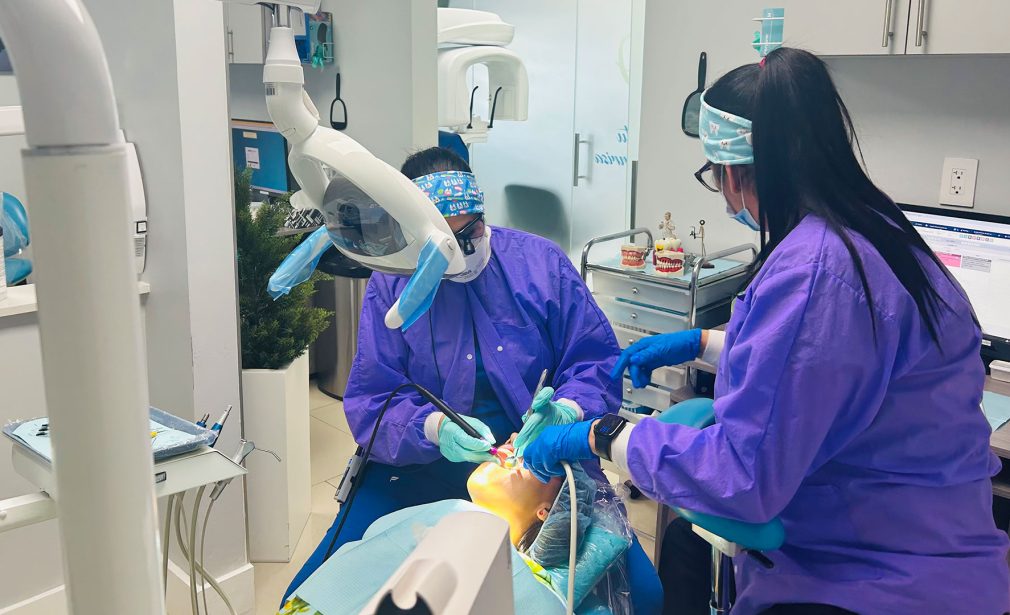
Our team at Dental Blush begins by evaluating the tooth and understanding what is causing the problem. The dentist can then explain whether a crown, filling, root canal treatment, or another restorative option may be appropriate.
If you are searching for a dental crown near me because a tooth is cracked, weakened, painful, or heavily restored, our Tamiami office can evaluate the tooth and help you understand the available treatment options.
We speak English and Spanish / Hablamos inglés y español. You can ask questions about your tooth, crown materials, treatment, insurance, estimated costs, and the next steps in the language you feel most comfortable using.
To speak with our team about a damaged or weakened tooth, call (305) 553-0666.
When you are ready to have the tooth evaluated, request your visit through our Appointment Today page. Tell us what is bothering you, and our team will help you prepare for your visit.
What Is a Dental Crown?
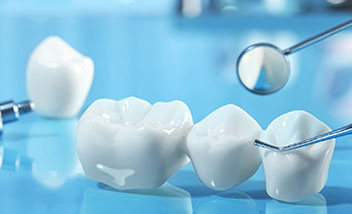
A dental crown is a custom restoration that covers the visible portion of a tooth. Dentists often recommend a crown when the remaining tooth needs more support than a filling can provide.
Crowns can help restore damaged, weakened, fractured, worn, or heavily restored teeth. They are also used as the visible restoration for many dental implants.
For general information about how dentists use crowns in restorative care, you can review the American Dental Association information about dental crowns.
When Might a Tooth Need a Crown?
Not every damaged tooth needs a crown. Your dentist considers how much healthy tooth remains, the location of the damage, your bite, previous dental work, and the tooth’s overall condition.
A dental crown in Miami may be recommended when the remaining tooth needs more structural support than a smaller restoration can provide. The decision depends on the examination and the condition of the tooth.
A dentist may recommend a crown for:
- A cracked or weakened tooth
- A large cavity or an existing large filling
- Significant wear or loss of tooth structure
- A fractured tooth with enough healthy structure remaining
- A tooth that needs additional protection after root canal treatment
- A dental implant that needs its final restoration
- A concern involving tooth shape or appearance when a crown provides an appropriate restorative solution
Sometimes another treatment makes more sense. A smaller area of damage may need a dental filling, while a tooth with more extensive damage may require a different treatment plan.
Dental Crown or Filling: What Is the Difference?
A filling repairs a specific portion of a tooth after the dentist removes damaged or decayed structure. A crown covers much more of the visible tooth and can provide additional support when a filling may not be enough.
The recommendation depends on more than the size of the damaged area. Cracks, remaining tooth structure, previous restorations, bite forces, tooth location, and expected long-term function can all affect the decision.
An examination allows the dentist to recommend the restoration that fits the tooth rather than choosing a crown or filling based only on symptoms.
Types of Dental Crowns
Dental crowns are available in different materials. Your dentist considers tooth location, chewing pressure, appearance, existing dental work, and your individual restorative needs when discussing the available options.
Porcelain and Ceramic Crowns
Porcelain and ceramic crowns provide a tooth-colored appearance and can be selected when both function and appearance are important. Patients considering ceramic crowns in Miami can discuss the location of the tooth, bite forces, cosmetic goals, and available materials with the dentist before treatment begins.
Zirconia Crowns
Zirconia combines strength with a tooth-colored appearance. Your dentist may recommend this material when the tooth needs durability while maintaining a natural-looking restoration.
Porcelain-Fused-to-Metal Crowns
Porcelain-fused-to-metal crowns combine a metal foundation with a tooth-colored porcelain exterior. The dentist can explain whether this material fits the location and restorative needs of the tooth.
Implant Crowns
An implant crown forms the visible part of a dental implant restoration. Once the implant reaches the appropriate restorative stage, the crown helps replace the appearance and function of the missing tooth.
If you are considering replacement for a missing tooth, learn more on our Dental Implants in Miami page.
What Happens During Dental Crown Treatment?
When planning a dental crown in Miami, the exact process depends on the condition of the tooth and the restoration your dentist recommends. The first step is evaluating the tooth and reviewing any diagnostic information needed for treatment planning.
The process may include:
- Evaluation: The dentist examines the tooth, surrounding tissues, bite, and existing dental work.
- Dental imaging when needed: Radiographs can provide additional information about the tooth, root, bone, or surrounding structures.
- Tooth preparation: The dentist shapes the tooth so the planned crown can fit properly.
- Restoration design: The dental team uses information about the tooth to plan a crown that fits the restorative needs.
- Placement and adjustment: The dentist checks the crown, evaluates the fit and bite, and makes necessary adjustments.
Your dentist will explain the steps for your specific tooth because crown treatment can vary from one patient and clinical situation to another.
Dental Crowns After Root Canal Treatment
After root canal treatment, a tooth may need additional protection when it has lost substantial tooth structure. Dentists often consider crowns for back teeth because these teeth handle significant chewing forces.
The dentist evaluates the tooth location, remaining structure, previous restorations, and bite before deciding whether a crown is appropriate.
If your treatment plan may involve both procedures, our Root Canal in Miami page explains root canal therapy in more detail.
What If a Tooth Is Too Damaged for a Crown?
A crown needs enough healthy and restorable tooth structure for support. When extensive damage prevents the tooth from supporting a predictable restoration, another approach may need to be considered.
The examination helps determine whether the tooth can be restored before crown treatment begins. If saving the tooth is not practical, the dentist can explain appropriate alternatives based on your oral health and treatment needs.
Crown Repair or Crown Replacement in Miami
An existing crown does not always need to be replaced simply because it feels different. However, a loose crown, damaged crown, persistent discomfort, an uneven bite, or changes around the edge of the restoration should be evaluated by a dentist.
During an evaluation for crown repair in Miami, the dentist examines both the restoration and the natural tooth underneath it. The condition of the crown, tooth structure, surrounding gum tissue, and bite can help determine the next step.
In some situations, an intact crown may be suitable for re-cementing or re-bonding. In other cases, the restoration may no longer fit properly, may be damaged, or the tooth underneath may have changed enough that a new crown is necessary.
Patients needing crown replacement in Miami should have the tooth evaluated before assuming that a new restoration is the only option. Our goal is to determine what is happening first and then explain whether the existing crown can be maintained, repaired, re-cemented, or replaced.
Do not try to permanently reattach a loose crown at home. Contact our office so the dentist can examine the restoration and the tooth underneath it.
If a crown problem also involves significant pain, swelling, trauma, or another urgent concern, review our Emergency Dentist in Miami page.
Dental Crown Costs, Insurance, and Payment Options
The cost of a dental crown in Miami depends on the crown material, condition of the tooth, diagnostic needs, and whether additional treatment is necessary before the final restoration can be placed.
The fees below are current minimum office fees for selected crown-related services at Dental Blush:
- D2740 – Full Porcelain/Ceramic Crown: $700
- D2750-D2753 – Selected Porcelain/Metal Crown Options: $600 each
- D2799 – Provisional Crown: $120
- D2920 – Re-cement or Re-bond Crown: $120
These fees should not be added together to estimate the cost of every crown. A patient does not necessarily need every service listed above, and additional treatment may be recommended depending on the condition of the tooth.
The dentist first evaluates the tooth and prepares an individualized treatment plan. Our team can then review the recommended procedures and estimated costs with you before treatment begins.
Dental Blush works with many PPO dental insurance plans and can also help review Dental Medicare Advantage benefit information when applicable. Crown benefits, deductibles, copays, annual maximums, waiting periods, limitations, and patient responsibility vary by plan.
For patients who need additional flexibility, financing options are available with multiple companies. Patients interested in another way to manage dental care costs can also review our Dental Discount Plans.
Insurance companies determine final benefit payments, while third-party financing providers determine approval and account terms.
How to Care for a Dental Crown
A crowned tooth still needs regular oral hygiene. The restoration covers the visible portion of the tooth, but plaque can still collect where the crown meets the natural tooth and gum tissue.
Brush carefully, clean between your teeth, and keep your recommended dental visits. During routine examinations, the dental team can monitor the crown, surrounding gums, bite, and nearby tooth structure.
If you grind or clench your teeth, your dentist may discuss additional protection. Avoiding habits such as chewing ice or using your teeth to open packages can also reduce unnecessary stress on natural teeth and restorations.
For information about professional preventive care, visit our Teeth Cleaning in Miami page.
Frequently Asked Questions About Dental Crowns
How long can a dental crown last?
A crown’s lifespan varies from person to person. Crown material, bite forces, oral hygiene, grinding or clenching, diet, surrounding tooth structure, and regular dental care can all affect how long a restoration remains functional.
Does getting a dental crown hurt?
Your dentist may use local anesthesia during tooth preparation to help keep the treatment area comfortable. The condition of the tooth and type of treatment will determine what you experience during the procedure.
Can a crown repair a fractured tooth?
A crown can sometimes restore a fractured tooth when enough healthy structure remains to support the restoration. When damage extends too far, the dentist may recommend another treatment approach.
Can I get a crown after a root canal?
Yes. Dentists commonly recommend crowns after root canal treatment when the remaining tooth needs additional structural protection. The dentist examines the tooth before making that recommendation.
Can a dental implant have a crown?
Yes. A crown forms the visible restoration for many dental implants once the implant reaches the appropriate stage for restoration.
Can an existing dental crown be repaired or re-cemented?
Sometimes. If the crown and underlying tooth are suitable, the dentist may be able to re-cement or re-bond the restoration. A damaged crown, changes in the underlying tooth, decay, or an improper fit may require another treatment or replacement.
How do I know if my crown needs to be replaced?
A loose crown, persistent discomfort, movement, changes in the bite, visible damage, or problems with the tooth underneath the restoration may indicate that an evaluation is needed. The dentist must examine the crown and tooth before determining whether replacement is appropriate.
Do you provide dental crown consultations in Spanish?
Yes. We speak English and Spanish / Hablamos inglés y español. Our team can help you ask questions about the tooth, crown materials, treatment options, estimated costs, insurance information, and the crown process.
Dental Crown in Miami Near Tamiami, SW 8th St, and FIU
Dental Blush is located inside InterPlaza Shopping Center at 12260 SW 8th St, Suite 226, Miami, FL 33184.
Our Tamiami office serves patients and families from Miami and nearby communities including Sweetwater, Westchester, Fountainebleau, Westwood Lakes, Olympia Heights, University Park, and the FIU area.
Office hours are Monday through Friday from 9:00 AM to 6:00 PM and Saturday from 8:00 AM to 3:00 PM. The office is closed on Sunday.
Have a Tooth or Existing Crown That Needs Evaluation?
If you are considering a dental crown in Miami, start by finding out what is actually happening with the tooth. A crown may be the appropriate restoration, but another treatment may sometimes protect more natural tooth structure or better address the underlying problem.
If you already have a crown that feels loose, uncomfortable, damaged, or different than before, the dentist can evaluate both the restoration and the tooth underneath it before recommending repair or replacement.
To speak with our team about a damaged tooth, an existing crown, treatment options, insurance, or estimated costs, call (305) 553-0666.
If you prefer to send us a message before scheduling, you can reach our team through our Contact Us page. We will be happy to help you understand the next step.