
Dental Implants in Bonita Springs for Replacing Missing Teeth
If you are researching Dental Implants Bonita Springs, you may be looking for a way to replace one missing tooth, several teeth, or improve the stability of a larger restoration. At Dental Blush, implant care begins with an evaluation of your oral health, remaining teeth, gums, bite, bone support, medical history, and treatment goals.
Dental implants are one possible approach to replacing missing teeth, but they are not automatically the right option for every patient. Depending on the clinical findings, a bridge, denture, implant-supported restoration, or another treatment may also be considered.
Our office is located in Pelican Landing on S Tamiami Trail in Bonita Springs. We provide assistance in English and Spanish so patients can comfortably discuss implant treatment, costs, insurance information, recovery, and questions. Hablamos inglés y español.
If you have questions about missing teeth or would like to understand whether implant treatment may be appropriate, our team is happy to help at (239) 524-9877.
If you feel ready to request an implant evaluation, you can use our Appointment Today page. Our team will review your request and follow up regarding availability.
What Are Dental Implants?
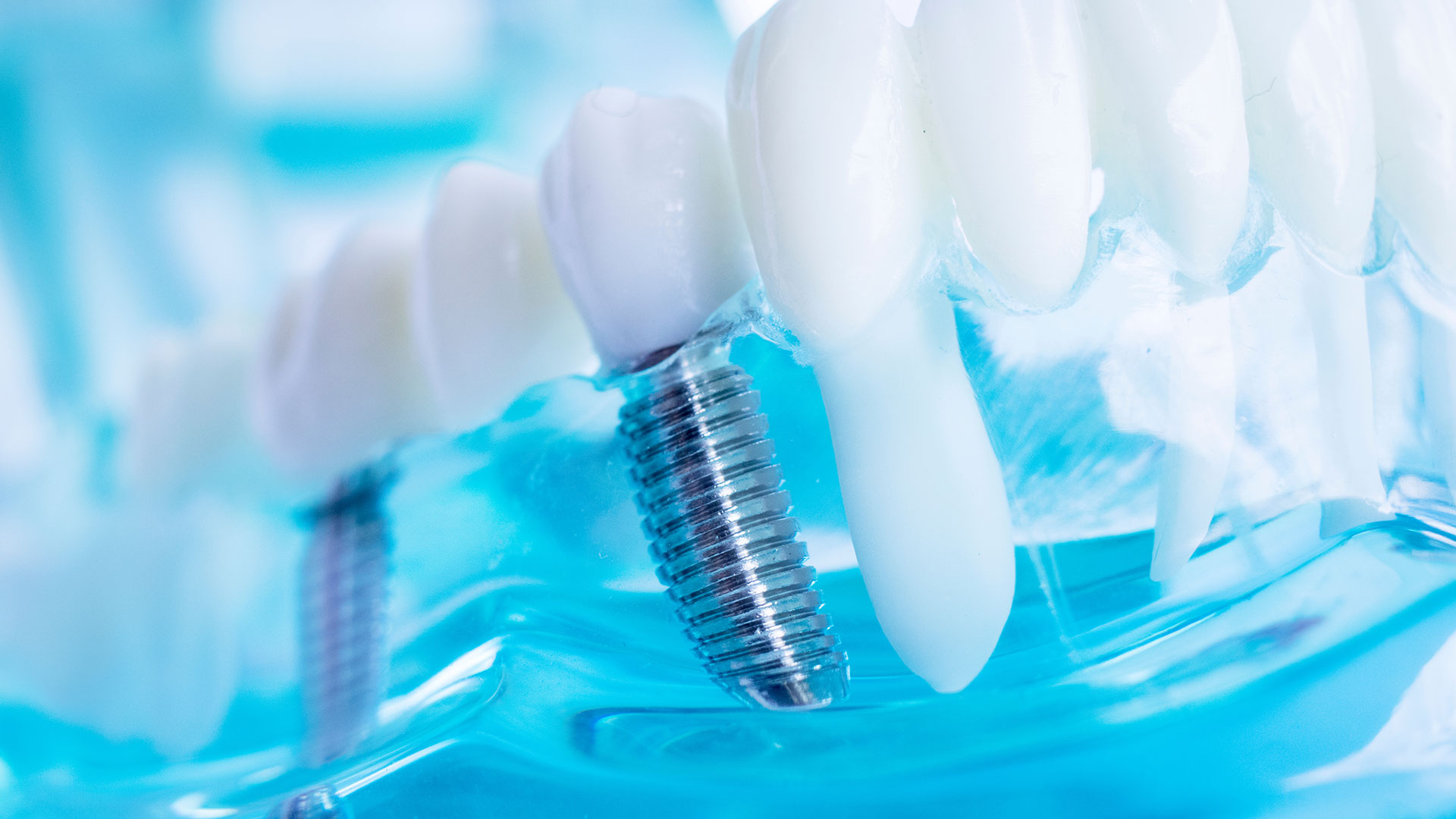
Dental implants are posts placed into the jawbone to serve as artificial tooth roots. After appropriate healing, an implant may support a crown, bridge, denture, or another type of dental restoration.
The implant itself sits below the gumline, while the restoration above it replaces the visible portion of the missing tooth or teeth. Treatment planning depends on factors such as the number and location of missing teeth, available bone, gum health, bite, remaining teeth, and overall health.
For additional patient education, the American Dental Association provides information about dental implants and the general stages involved in treatment.
When Can Implant Treatment Be Considered?
Tooth replacement with dental implants may be considered when one or more teeth are missing and the clinical conditions can support the planned treatment.
Important considerations may include:
- Gum health: Active periodontal problems may need to be addressed before implant treatment moves forward.
- Bone support: The jaw needs adequate support for the planned implant, and additional treatment may need to be discussed when support is limited.
- Overall health: Medical conditions, medications, healing ability, and other health factors may influence treatment planning.
- Oral hygiene: Consistent home care and professional maintenance are important for the tissues around an implant.
- Smoking or tobacco use: Tobacco can affect healing and should be discussed with the dentist before treatment.
- Treatment expectations: Implant care may involve several stages, healing time, ongoing maintenance, and costs that vary with the individual plan.
A consultation helps determine how these factors apply to your particular situation rather than assuming that implant treatment is appropriate based only on a missing tooth.
How the Dental Implant Process Works
The exact sequence and timing vary according to the treatment plan. Implant care commonly includes several stages, with healing time between certain steps.
- Consultation and examination: The dentist reviews your missing teeth, oral health, medical history, bite, and treatment goals.
- Diagnostic evaluation: Appropriate images and clinical information help evaluate bone support, surrounding structures, and the planned treatment area.
- Treatment planning: The proposed stages, restorative options, estimated costs, and expected timing are discussed before treatment begins.
- Preparatory care when necessary: Gum treatment, tooth removal, or another recommended procedure may need to occur before implant placement.
- Implant placement: The implant is positioned according to the individual treatment plan.
- Healing and integration: The surrounding bone needs time to heal around the implant before certain restorative steps can be completed.
- Final restoration: A crown, bridge, denture, or another planned restoration is connected when the implant and surrounding tissues are ready.
- Ongoing maintenance: Home care, professional cleaning, and periodic evaluation remain important after treatment.
The timeline is not identical for every patient. Some cases require additional procedures or healing time, while others may follow a different sequence.
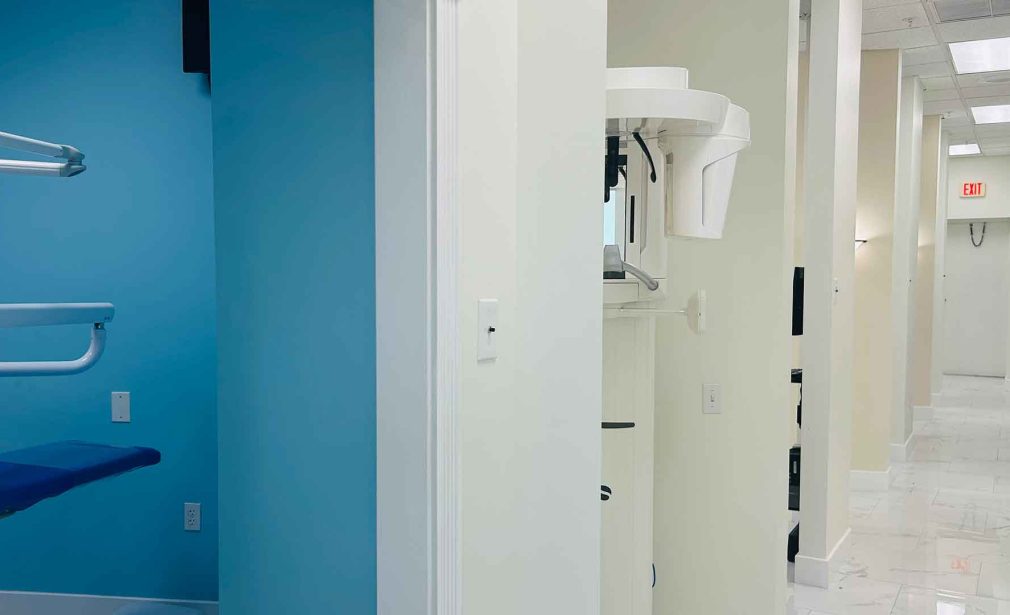
You can learn more about the diagnostic tools used in treatment planning on our Dental Technology page.
Options for Replacing One or More Missing Teeth
Implants can be incorporated into different restorative plans depending on how many teeth are missing and the condition of the mouth.
Replacing a Single Missing Tooth
One implant may support a custom crown that replaces the visible portion of a missing tooth. Unlike a traditional tooth-supported bridge, this approach generally does not require neighboring teeth to serve as the primary support for the replacement tooth.
Restoring Several Missing Teeth
When several neighboring teeth are missing, implants may sometimes support a bridge or another restoration without requiring an individual implant for every missing tooth. The number and position of implants depend on the treatment plan, available support, bite, and size of the missing area.
Supporting a Denture or Full-Arch Restoration
Implants may also be incorporated into treatment for patients missing many or all teeth in an arch. The design may be removable or fixed depending on the clinical situation and treatment plan.
If you are comparing removable and implant-supported options, you can also review our dentures and partial dentures information.
How Implants Compare With Other Tooth-Replacement Options
There is more than one way to replace missing teeth. Dental implants, traditional bridges, partial dentures, and full dentures use different methods of support and involve different maintenance and treatment considerations.
Implant-Supported Restorations
These restorations receive support from implants placed in the jawbone. Depending on the treatment plan, they may replace one tooth, several teeth, or a larger group of missing teeth.
Traditional Dental Bridges
A conventional bridge typically relies on neighboring teeth for support. Those teeth may need to be prepared as part of the restorative process.
Removable Tooth Replacement
Partial or complete dentures can replace multiple missing teeth without implant placement. Fit, retention, maintenance, and treatment considerations differ from implant-supported restorations.
The appropriate option depends on oral health, bone support, remaining teeth, bite, treatment goals, medical considerations, timeline, maintenance needs, and budget.
Gum Health and Bone Support Matter
Implant treatment involves both the restoration and the tissues supporting it. Healthy gums and appropriate bone support are important parts of planning and maintaining an implant.
Periodontal inflammation should be evaluated because the tissues around an implant need ongoing care. Plaque can affect the gums and bone surrounding implants even though the implant itself cannot develop a cavity.
If gum health is part of your treatment planning, you can learn more about our periodontal care.
Recovery and Long-Term Implant Care
Healing after implant placement varies according to the treatment area, number of implants, bone support, additional procedures, medical factors, and individual healing response.
Your dental team will provide instructions specific to your procedure. General recommendations may include:
- Follow the written post-treatment instructions provided by the dental team.
- Use medications or oral rinses only as directed.
- Follow temporary dietary recommendations while the treatment area heals.
- Clean the mouth and implant area according to the instructions provided.
- Attend recommended follow-up visits so healing can be evaluated.
- Contact the office if pain, swelling, bleeding, or another symptom becomes worse or causes concern.
After healing, continued brushing, cleaning between teeth and restorations, professional maintenance, and periodic examinations remain important for the tissues around an implant.
Understanding the Cost of Dental Implant Treatment
The cost of implant care varies because treatment is individualized. Factors can include the number of missing teeth, number of implants, type of final restoration, diagnostic needs, available bone, preparatory treatment, extractions when necessary, and overall complexity.
Before treatment begins, our team can review the proposed treatment plan and estimated patient responsibility based on the information available at that time.
Insurance and Dental Medicare Advantage
Some PPO dental insurance plans may provide benefits for certain portions of implant-related care. Dental Medicare Advantage benefits may also apply in some situations. Coverage, exclusions, limitations, annual maximums, network requirements, and patient responsibility depend on the individual plan.
Financing and Dental Discount Plans
If additional payment flexibility would be helpful for qualifying treatment, you can review our dental financing information. Financing approval, rates, available amounts, and payment terms are determined by the financing provider.
Patients interested in a membership-based alternative to traditional insurance can also review our Dental Discount Plans page. Eligibility, fees, and available savings depend on the current plan terms.
Dental Implant Care Near Pelican Landing
Dental Blush is located at 24600 S Tamiami Trl, Suite 206, Bonita Springs, FL 34134, in the Pelican Landing area.
Our office serves Bonita Springs and nearby communities including Estero, Bonita Bay, San Carlos Park, and North Naples.
We provide assistance in English and Spanish so patients can discuss implant options, treatment stages, insurance information, costs, recovery, and maintenance in the language they feel more comfortable using.
You can view our Bonita Springs office on Google Maps for directions.
Frequently Asked Questions About Dental Implants Bonita Springs
How do I know whether I can get a dental implant?
An evaluation is needed to determine whether implant treatment may be appropriate. Gum health, available bone, medical history, medications, oral hygiene, remaining teeth, bite, and treatment goals can all affect the recommendation.
How long does dental implant treatment take?
The timeline varies. Healing and integration with the surrounding bone can take time, and additional procedures may extend treatment. Your dentist can explain the expected stages after evaluating your individual needs.
Can implants replace several missing teeth?
Yes, implants may be used as part of treatment for one missing tooth, several teeth, or a larger restoration. The number of implants needed is determined by the specific restorative plan and clinical findings.
Does dental implant placement hurt?
Comfort management is part of treatment planning. The dentist can explain what type of anesthesia or other comfort measures are appropriate for the planned procedure and what temporary discomfort may be expected afterward.
How long can dental implants last?
There is no single lifespan that applies to every implant. Long-term outcomes depend on factors such as gum and bone health, oral hygiene, professional maintenance, bite forces, tobacco use, medical considerations, and the condition of the restoration.
Can an implant get a cavity?
The implant itself cannot develop tooth decay because it is not a natural tooth. However, plaque and inflammation can affect the gums and bone surrounding the implant, which is why daily cleaning and professional maintenance remain important.
Does dental insurance cover implants?
Coverage varies by plan. Some policies may provide benefits for certain parts of implant treatment, while other services may have limitations or exclusions. Our team can help review available benefit information when applicable.
Questions About Dental Implants in Bonita Springs?
If you are missing one or more teeth, you do not need to decide on implant treatment before having your oral health evaluated. The dentist can help you compare appropriate tooth-replacement options and understand the advantages, limitations, stages, and costs associated with the recommended plan.
If you have questions about dental implants or replacing missing teeth, our team is happy to help at (239) 524-9877.
If you prefer to send a general question online, you can use our Contact Us page.
Dental Blush
24600 S Tamiami Trl, Suite 206
Bonita Springs, FL 34134
Humana Dental Insurance


Aetna Dental Insurance


Cigna Dental Insurance


Blue Cross Blue Shield Dental Insurance


Ameritas Dental Insurance


UnitedHealthcare Dental Insurance