
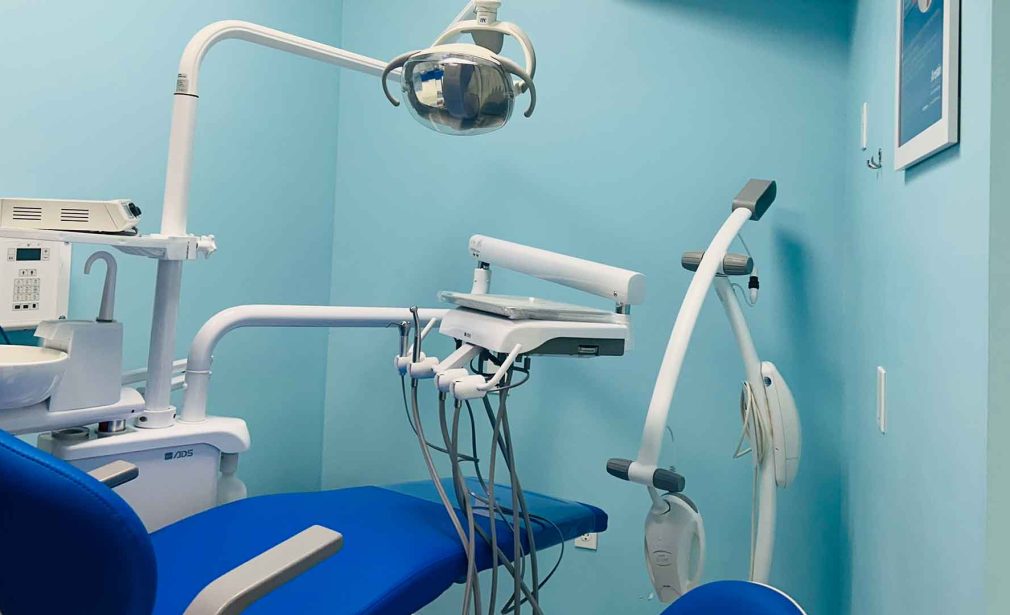
Tooth Extractions in Bonita Springs: When Removal May Be Needed
If your search for Tooth Extractions Bonita Springs brought you here because a tooth is painful, damaged, loose, fractured, or infected, the first step is determining whether the tooth can reasonably be preserved. At Dental Blush, the dentist evaluates the affected tooth, surrounding gums, bite, and available treatment options before recommending removal.
Keeping a natural tooth is an important goal whenever appropriate. In some situations, however, an extraction may be the safer or more predictable option based on the condition of the tooth, surrounding tissues, symptoms, and overall treatment plan.
Our office is located in Pelican Landing on S Tamiami Trail in Bonita Springs. We provide assistance in English and Spanish so patients can comfortably discuss tooth pain, treatment recommendations, costs, and questions. Hablamos inglés y español.
If you are concerned about a damaged or painful tooth and would like to understand what the next step may involve, our team is happy to help at (239) 524-9877.
If you feel ready to request an evaluation, you can use our Appointment Today page. Our team will review your request and follow up regarding availability.
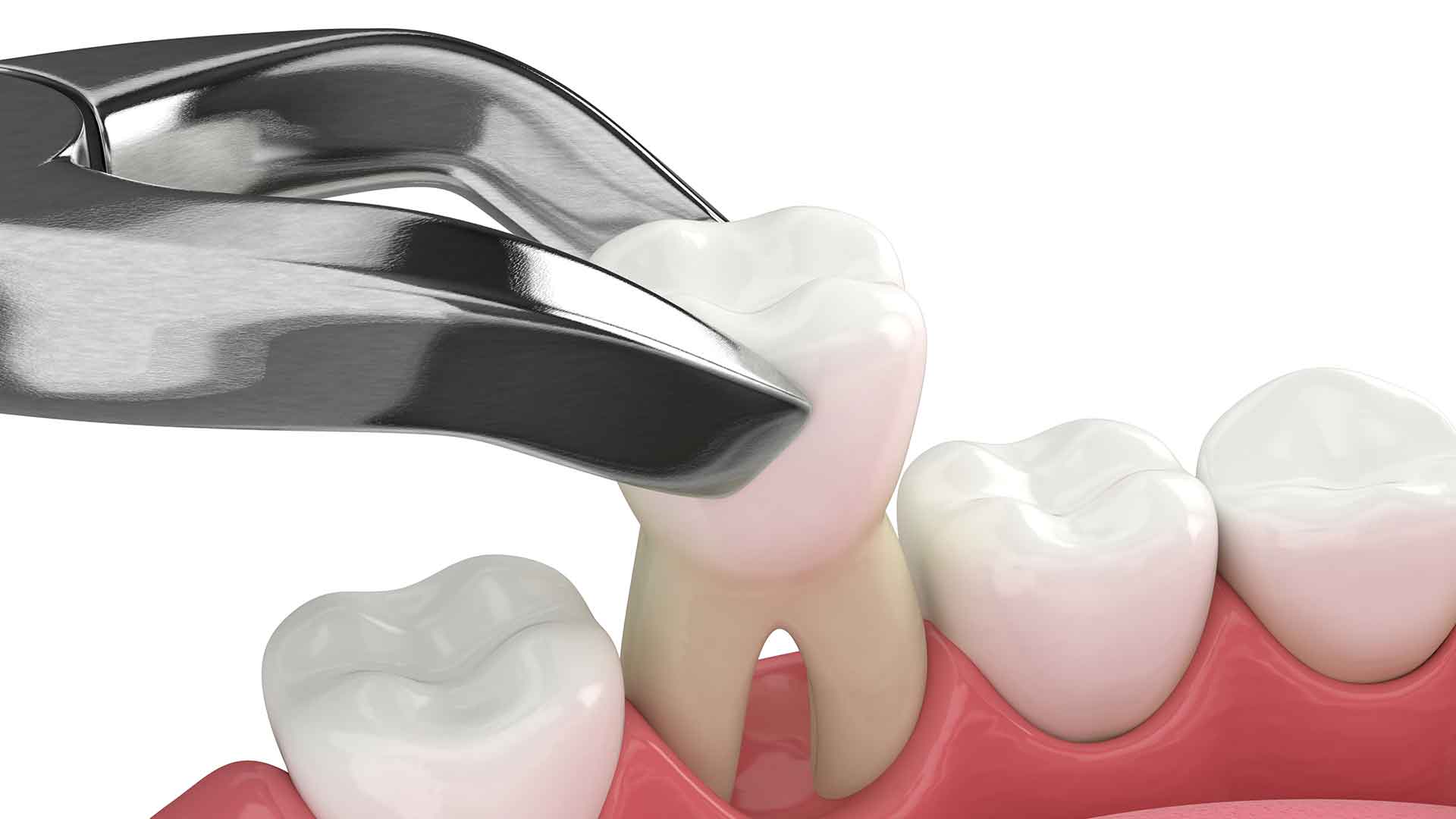
When Might a Tooth Need to Be Extracted?
A dental examination is necessary to determine whether tooth removal is appropriate. The dentist considers the condition of the tooth, surrounding gums, bone support, symptoms, dental history, and whether another treatment may reasonably preserve the tooth.
Situations that may lead to a conversation about extraction include:
- Extensive decay: A tooth may have too little healthy structure remaining to support a predictable restoration.
- A deep fracture: Certain cracks or breaks may extend into areas where restoring the tooth is not practical.
- Infection or inflammation: Extraction may be considered when preserving the tooth is not an appropriate treatment option.
- Advanced periodontal damage: Significant loss of supporting tissues or bone may affect whether a tooth can remain stable.
- Dental trauma: An injury may damage a tooth beyond what can reasonably be restored.
- Broader treatment needs: In some situations, removal may be part of a restorative or other clinically appropriate treatment plan.
The recommendation should be based on individual findings rather than symptoms alone.
What Happens During a Tooth Extraction Evaluation?
A tooth extraction in Bonita Springs should begin with understanding why removal is being considered. The dentist reviews symptoms, dental history, medications, existing dental work, and the condition of the affected tooth and surrounding tissues.
Diagnostic images may be recommended when clinically appropriate. They can provide information about tooth roots, surrounding bone, infection, fractures, and other areas that may not be fully visible during a clinical examination.
You can learn more about the imaging used to support dental evaluations on our Dental Radiographs page.
What to Expect During the Extraction Process
The exact procedure depends on the tooth being removed, its position, the reason for extraction, surrounding bone and gum tissue, medical considerations, and the individual treatment plan.
- Evaluation and treatment discussion: The dentist explains why extraction may be recommended and reviews reasonable alternatives when applicable.
- Comfort planning: The treatment area is typically numbed, and the dentist can explain what to expect during the procedure.
- Tooth removal: The extraction technique depends on the position and condition of the tooth and surrounding tissues.
- Post-treatment instructions: You receive guidance based on the procedure and your individual healing needs.
- Future planning when appropriate: The dentist can discuss whether replacing the missing tooth should be considered after extraction.
Questions are welcome before treatment begins. Understanding why the extraction is recommended and what to expect afterward can make the process easier to approach.
Caring for the Area After a Tooth Extraction
Aftercare helps protect the extraction site while healing begins. Instructions can vary depending on the procedure, health history, medications, and individual circumstances, so the guidance provided by your dental team should take priority.
General recommendations may include:
- Protect the extraction site: Avoid actions that could disturb the blood clot during the early healing period.
- Follow dietary instructions: Softer foods may be recommended temporarily depending on the procedure.
- Use a cold compress when advised: It may be recommended for temporary swelling or discomfort.
- Avoid smoking or tobacco use: Tobacco can interfere with normal healing after an extraction.
- Avoid vigorous rinsing when instructed: Protecting the blood clot is important during early healing.
- Contact the office with concerns: Increasing pain, unusual bleeding, swelling, fever, or another unexpected change should be discussed with the dental team.
The American Dental Association provides patient education about care after tooth extraction and signs that may require additional attention.
Tooth Pain, Infection, and Urgent Dental Care
Severe tooth pain, swelling, infection, dental trauma, or a fractured tooth can require prompt evaluation. An urgent concern does not automatically mean that the tooth needs to be removed. Depending on the findings, restorative treatment, root canal treatment, extraction, or another approach may be considered.
Same-day emergency evaluations may be available depending on the office schedule and the type of dental concern.
If your concern is urgent, you can review our emergency dental care information to understand when prompt evaluation may be appropriate.
If you have difficulty breathing or swallowing, uncontrolled bleeding, severe facial trauma, or another potentially life-threatening medical emergency, call 911 or seek emergency medical care.
Replacing a Missing Tooth After Extraction
Not every extracted tooth needs to be replaced in the same way, and the timing of replacement can vary. The dentist may consider the location of the missing tooth, bite, gum health, available bone, neighboring teeth, healing, and individual goals.
Possible approaches may include a dental implant, bridge, partial denture, complete denture, or another restorative option. Some patients need time for the extraction area to heal before the next stage of treatment is planned.
If tooth replacement is being considered, you can learn more about our dental implant services.
Insurance and Financing for Tooth Extraction
Dental Blush works with many PPO dental insurance plans and can help review applicable Dental Medicare Advantage benefit information when possible. Coverage, deductibles, annual maximums, limitations, network requirements, and estimated patient responsibility depend on the individual plan and treatment.
If additional payment flexibility would be helpful for qualifying care, you can review our dental financing information. Financing approval and terms are determined by the financing provider.
Tooth Extraction Care Near Pelican Landing
Dental Blush is located at 24600 S Tamiami Trl, Suite 206, Bonita Springs, FL 34134, in the Pelican Landing area.
Our office serves Bonita Springs and nearby communities including Estero, Bonita Bay, San Carlos Park, and North Naples.
We provide assistance in English and Spanish so patients can discuss symptoms, treatment recommendations, insurance information, payment options, and aftercare in the language they feel more comfortable using.
You can view our Bonita Springs office on Google Maps for directions.
Frequently Asked Questions About Tooth Extractions
How do I know whether a tooth needs to be extracted?
A dental examination is needed to determine whether removal is appropriate. The dentist evaluates the tooth, surrounding gums, bone support, symptoms, diagnostic information, and whether another treatment may reasonably preserve the tooth.
Is every painful or infected tooth extracted?
No. Pain or infection does not automatically mean that a tooth must be removed. Depending on the cause and clinical findings, restorative treatment, root canal treatment, extraction, or another approach may be considered.
What should I do after a tooth extraction?
Follow the personalized instructions provided by your dental team. These may include protecting the extraction site, following temporary dietary guidance, avoiding smoking and vigorous rinsing, and contacting the office if symptoms become worse or unexpected changes occur.
Can I replace a tooth after it is extracted?
In many situations, tooth replacement can be considered. Options and timing depend on the location of the missing tooth, healing, bone support, neighboring teeth, bite, oral health, and individual treatment goals.
How long does healing take after an extraction?
Healing varies according to the tooth removed, the type of procedure, individual health factors, and the condition of the extraction site. Your dental team can explain what to expect based on your specific procedure.
Questions About Tooth Extractions in Bonita Springs?
If you have a damaged or painful tooth, you do not need to decide on extraction before having it evaluated. The dentist can help determine whether the tooth can be preserved or whether removal may be the more appropriate next step.
If you have questions about tooth extraction, treatment alternatives, or what to expect during recovery, our team is happy to help at (239) 524-9877.
If you prefer to send a general question online, you can use our Contact Us page.
Dental Blush
24600 S Tamiami Trl, Suite 206
Bonita Springs, FL 34134