
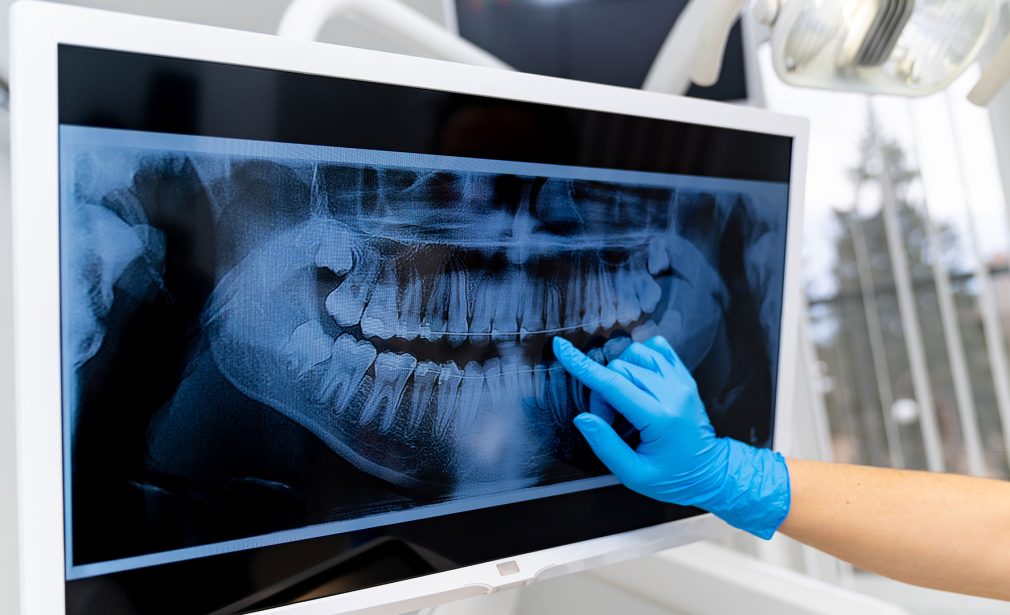
Dental Radiographs Bonita Springs: Digital Imaging for Dental Evaluations
If you are looking for Dental Radiographs Bonita Springs, you may need dental images as part of an examination, treatment plan, or evaluation of a specific concern. At Dental Blush, the dentist reviews your symptoms, oral health, dental history, existing restorations, and clinical findings before deciding whether digital imaging may provide useful information.
Dental X-rays can help the dentist examine areas that a visual evaluation cannot fully show, including spaces between teeth, tooth roots, supporting bone, and areas around existing dental work. The dentist selects the type and number of images according to the information needed for your care.
Our office is located in Pelican Landing on S Tamiami Trail in Bonita Springs. We provide assistance in English and Spanish so patients can comfortably ask about dental imaging, examination findings, treatment recommendations, costs, and insurance information. Hablamos inglés y español.
Questions about dental X-rays or whether you may need imaging during your visit are welcome. Our team is happy to help at (239) 524-9877.
When you feel ready to request an examination, you can use our Appointment Today page. Our team will review your request and follow up regarding availability.
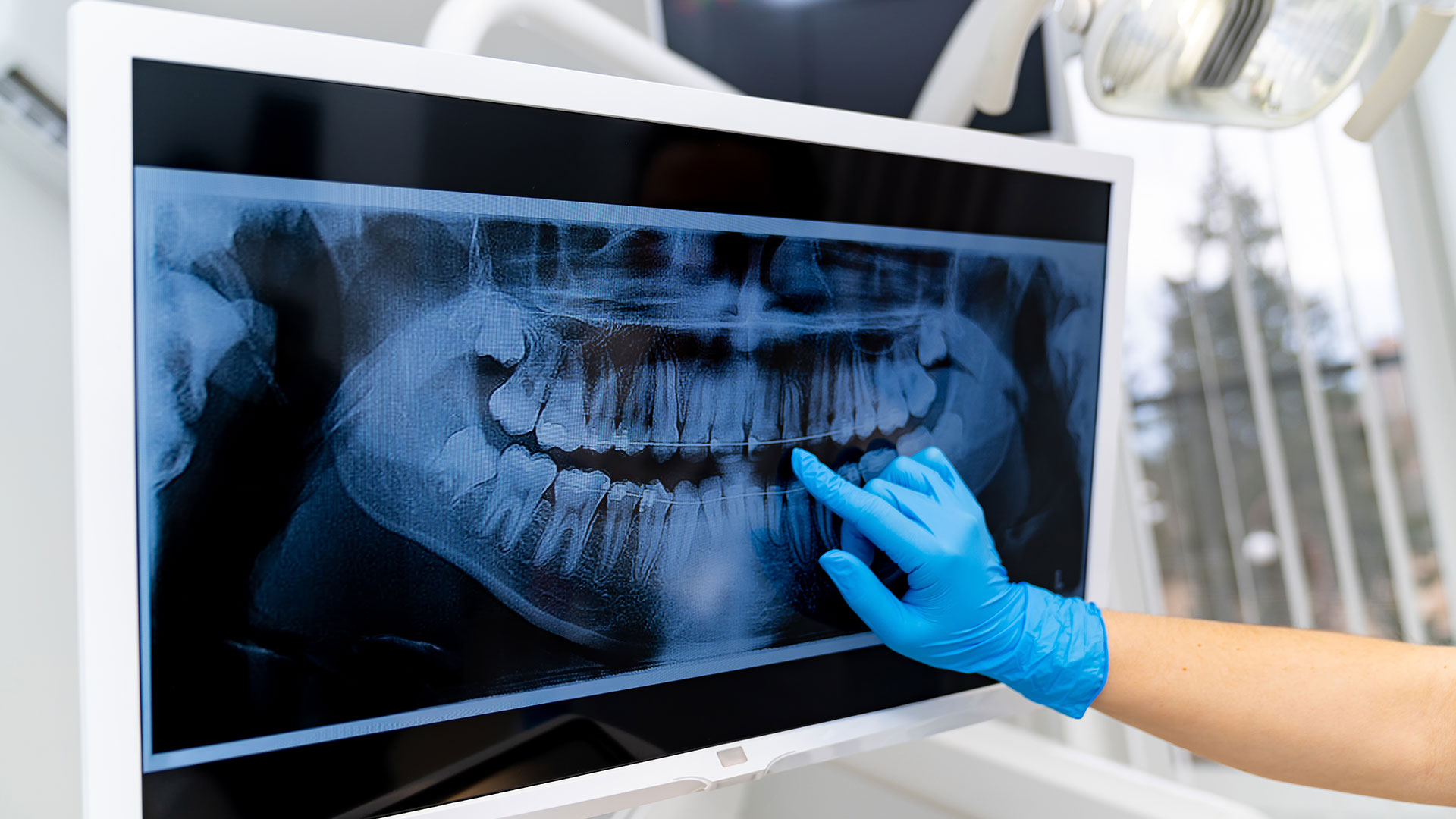
What Are Dental Radiographs?
Dental radiographs, commonly called dental X-rays, create images that help the dentist evaluate structures beneath and around the visible surfaces of the teeth and gums.
These images can provide information about tooth roots, surrounding bone, spaces between teeth, existing restorations, and other areas that may require closer evaluation.
Digital imaging complements the clinical examination rather than replacing it. The dentist combines the images with your symptoms, dental history, examination findings, and treatment needs before making recommendations.
Digital Dental X-Rays in Bonita Springs and What They Can Show
Some oral health concerns develop in areas that the dentist cannot fully evaluate by looking inside the mouth alone. Digital radiographs can provide another view when the clinical situation calls for more information.
Depending on the reason for the examination, dental images may help the dentist evaluate:
- Areas between teeth: Images may reveal changes that the dentist cannot easily see during a visual examination.
- Tooth roots: Radiographs can show the roots and surrounding structures.
- Supporting bone: The dentist can review bone levels and changes around teeth.
- Areas around restorations: Images may provide additional information near fillings, crowns, bridges, or implants.
- Possible infection or inflammation: Certain changes around tooth roots may appear on appropriate images.
- Dental development or tooth position: Some images provide information about teeth that have not fully emerged or other positioning concerns.
The dentist interprets radiographs together with the clinical examination. An image alone does not determine which treatment a patient needs.
How Dental Radiographs Bonita Springs Support an Evaluation
The dentist may consider digital imaging during a preventive examination, a visit for tooth pain, an urgent evaluation, periodontal care, or planning for restorative treatment.
Before taking an image, the dental team considers why the dentist needs it and what information it may provide. Your oral health history, symptoms, previous radiographs, existing dental work, and current findings all influence that decision.
This individualized approach avoids using the same X-ray schedule for every patient.
For additional information about how imaging fits into dental care, you can also review our Dental Technology page.
How Often Do You Need Dental X-Rays?
There is no single X-ray schedule that fits every patient. The dentist considers your current oral health, history of dental concerns, symptoms, risk factors, previous images, restorations, and the type of care under consideration.
A patient with a new concern may need different images from someone whose oral health has remained stable. The dentist can also review available previous images when they still provide useful diagnostic information.
The goal is to obtain the information needed for diagnosis or treatment planning without taking unnecessary images.
Common Types of Dental Radiographs
Different radiographs show different areas of the mouth. The dentist chooses the view that best addresses the clinical question rather than automatically ordering every type of image.
- Bitewing radiographs: These images can help the dentist examine areas between teeth and review portions of the supporting bone.
- Periapical radiographs: These images show an individual tooth from the crown through the root and surrounding bone.
- Panoramic radiographs: These images provide a broader view of the teeth, jaws, and surrounding structures.
Not every patient needs each type of radiograph. Symptoms, examination findings, dental history, and the information required for treatment planning guide the dentist’s selection.
Choosing Dental Radiographs Bonita Springs Based on Clinical Need
Dental X-rays use ionizing radiation, so the dentist should order them when the expected diagnostic information supports patient care.
Modern digital imaging allows the dental team to obtain diagnostic information efficiently. The dentist also considers existing images when appropriate and selects the views needed for the specific examination.
The American Dental Association recommends an individualized approach to radiography and emphasizes minimizing unnecessary exposure while obtaining the information needed for diagnosis and treatment planning.
You can read more through the American Dental Association’s information about dental X-rays and radiographs.
What Happens During a Dental X-Ray Visit?
The exact process depends on which image the dentist needs. The dental team can explain the purpose of the radiograph before capturing it and answer questions about the procedure.
- Review your information: Tell the team about symptoms, recent dental X-rays, dental treatment, and relevant health information.
- Prepare for the image: The dental team positions the appropriate sensor or imaging equipment.
- Capture the radiograph: You may need to bite gently or remain still for a short period while the equipment captures the image.
- Review the results: The dentist examines the images together with the clinical findings.
- Discuss the next step: The dentist explains relevant findings and answers questions about any recommended care.
The team adjusts the process according to the type of image and the reason for your examination.
Dental X-Rays for Tooth Pain and Urgent Concerns
Tooth pain, swelling, trauma, a damaged tooth, or signs of infection may require prompt evaluation. When imaging can provide useful information, the dentist may use radiographs to examine the tooth, roots, supporting bone, and surrounding areas.
The findings can help the dentist understand the possible source of the problem and determine whether monitoring, restorative treatment, root canal evaluation, extraction, periodontal care, or another approach may make sense.
For symptoms that require prompt attention, you can review our Emergency Dental Care page.
Radiographs and Gum Health
A periodontal evaluation focuses on the gums and supporting structures around the teeth. Dental images can add useful information when the dentist needs to review bone levels, tooth roots, or other areas associated with gum health.
The dentist combines radiographic findings with gum measurements, visual examination, symptoms, dental history, and other clinical information before recommending periodontal treatment.
For more information about gum evaluation and treatment, you can visit our Periodontal Care page.
Dental Imaging for Restorative and Implant Planning
Restorative treatment sometimes requires information about tooth roots, supporting bone, existing dental work, or areas beneath the visible surface of a tooth.
The dentist may use appropriate radiographs when planning crowns, root canal treatment, tooth extraction, dentures, dental implants, or other restorative care. The specific images depend on the clinical question and treatment under consideration.
Imaging forms only one part of treatment planning. The dentist also considers the examination, oral health, medical history, bite, symptoms, and personal treatment goals.
Insurance and Financing for Dental Imaging
Dental Blush works with many PPO dental insurance plans and can help review applicable Dental Medicare Advantage benefit information when possible. Coverage for dental radiographs, frequency limitations, deductibles, annual maximums, and estimated patient responsibility depend on the individual plan and reason for the images.
If additional payment flexibility would help with qualifying dental treatment, you can review our dental financing information. The financing provider determines approval, available amounts, rates, and payment terms.
Dental Radiographs Bonita Springs Near Pelican Landing
Dental Blush is located at 24600 S Tamiami Trl, Suite 206, Bonita Springs, FL 34134, in the Pelican Landing area.
Our office serves Bonita Springs and nearby communities including Estero, Bonita Bay, San Carlos Park, and North Naples.
Clear explanations can make dental imaging easier to understand. Our team can answer questions about why the dentist recommends an image, what information it may provide, insurance information, and the next steps in your care.
You can view our Bonita Springs office on Google Maps for directions.
Frequently Asked Questions About Dental Radiographs
Why might I need dental X-rays if my teeth feel fine?
Some oral health concerns may not cause noticeable symptoms in their early stages or may occur in areas that a visual examination cannot fully show. The dentist decides whether radiographs can provide useful information based on your individual situation.
How often should I have dental radiographs?
No single interval works for every patient. The dentist considers your oral health, dental history, symptoms, risk factors, previous images, current examination findings, and treatment needs before recommending new radiographs.
Do dental radiographs replace a dental examination?
No. The dentist uses radiographs as one source of diagnostic information and combines them with a clinical examination, symptoms, health history, and other findings.
Can dental X-rays help evaluate gum disease?
Yes. Appropriate radiographs can provide information about bone levels and supporting structures around the teeth. The dentist reviews this information together with the periodontal examination.
Can dental X-rays help find problems between teeth?
Certain radiographs can provide views of areas between neighboring teeth that the dentist cannot fully examine visually. The dentist chooses the appropriate image according to the clinical need.
Should I tell the dentist about X-rays from another dental office?
Yes. Let the dental team know if another office recently took dental images. Previous radiographs may provide useful information, and the dentist can decide whether additional images are necessary.
Are digital dental X-rays used for emergency evaluations?
They can help when the dentist needs more information about tooth pain, swelling, trauma, damaged teeth, or other urgent concerns. The dentist decides which images, if any, will help evaluate the problem.
Questions About Dental Radiographs Bonita Springs?
When your dentist recommends dental imaging, understanding why the image may help is an important part of your care. The dentist can explain what information the radiograph may provide and how it relates to your examination or treatment plan.
Our team is happy to answer questions about digital dental X-rays, examinations, or what to expect during your visit at (239) 524-9877.
For general questions online, you can also use our Contact Us page.
Dental Blush
24600 S Tamiami Trl, Suite 206
Bonita Springs, FL 34134
Humana Dental Insurance


Aetna Dental Insurance


Cigna Dental Insurance


Blue Cross Blue Shield Dental Insurance


Ameritas Dental Insurance


UnitedHealthcare Dental Insurance