
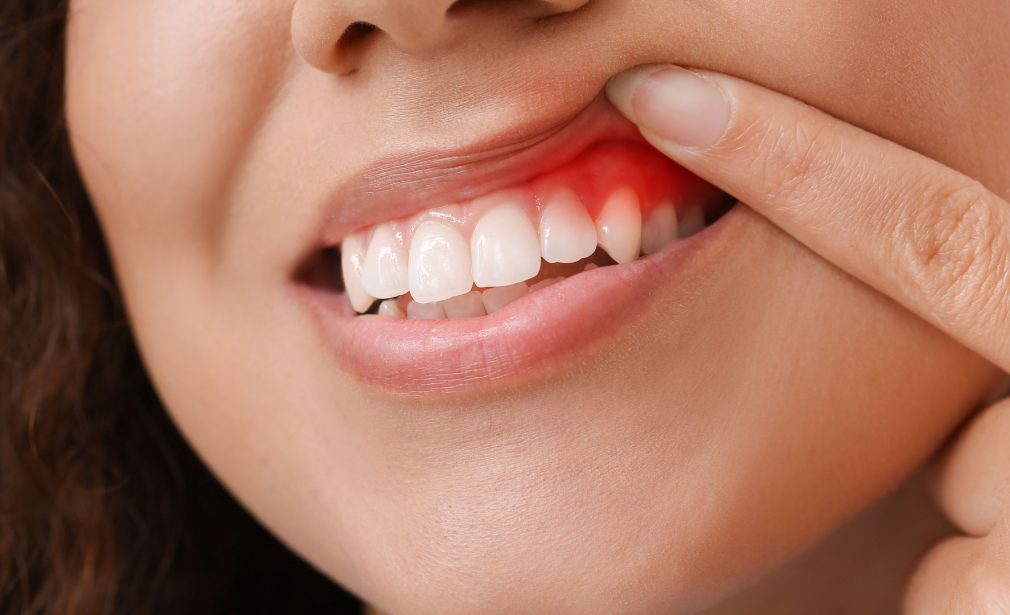
Dental Periodontics Bonita Springs: Personalized Care for Gum Health
If your search for Dental Periodontics Bonita Springs brought you here because of bleeding gums, swelling, gum recession, persistent bad breath, sensitivity near the gumline, or another concern, an evaluation can help identify what may be happening. At Dental Blush, periodontal care begins by evaluating your gums, teeth, bite, supporting tissues, dental history, and individual needs.
Gum problems do not always cause significant discomfort in their early stages. Changes in bleeding, color, swelling, gum position, or tooth stability can be important reasons to have the area examined rather than waiting for pain to develop.
Our office is located in Pelican Landing on S Tamiami Trail in Bonita Springs. We provide assistance in English and Spanish so patients can comfortably discuss gum concerns, treatment recommendations, costs, and questions. Hablamos inglés y español.
Questions about gum health or the type of periodontal evaluation that may be appropriate are welcome. Our team is happy to help at (239) 524-9877.
When you feel ready to request an evaluation, you can use our Appointment Today page. Our team will review your request and follow up regarding availability.
What Is Periodontal Care?
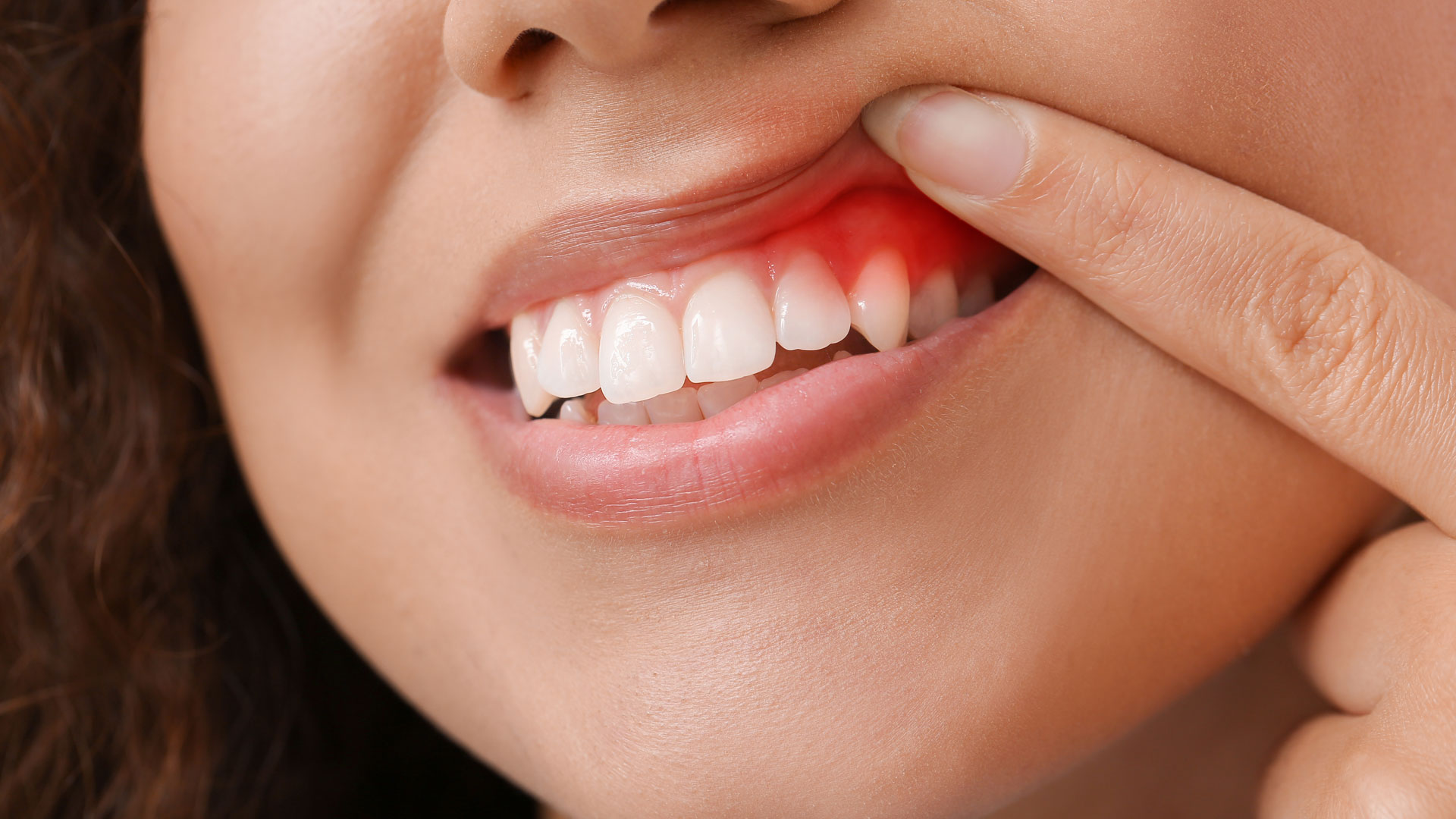
Periodontal care focuses on the gums and other structures that help support the teeth. Depending on your oral health, care may involve monitoring, treatment for gum inflammation, scaling and root planing, periodontal maintenance, or other recommendations based on clinical findings.
Healthy gums help provide a stable foundation for natural teeth and dental restorations. When inflammation progresses into periodontal disease, the tissues and supporting bone around the teeth can become affected.
The treatment recommendation depends on what the dentist finds during the examination rather than on symptoms alone.
Signs That May Need Periodontal Care in Bonita Springs
Gum disease can sometimes develop without significant pain. Paying attention to changes in the gums and bite can help identify concerns that deserve professional evaluation.
Possible warning signs include:
- Bleeding gums: Repeated bleeding during brushing or cleaning between the teeth may be associated with inflammation.
- Red, swollen, or tender gums: Changes in gum appearance or comfort should be evaluated when they persist.
- Gum recession: Gums that move away from the teeth can expose more of the tooth or root surface.
- Persistent bad breath or an unusual taste: Ongoing changes may be associated with several oral health conditions, including gum problems.
- Loose or shifting teeth: Changes in tooth stability or spacing deserve professional attention.
- A change in your bite: Differences in how the teeth come together may have several possible causes.
- Sensitivity near the gumline: Exposed root surfaces or other dental concerns may contribute to sensitivity.
These symptoms can have different causes, so an examination is important before deciding what type of treatment is needed.
For additional patient information, you can review the American Academy of Periodontology resource on gum disease.
Gingivitis and Periodontitis Are Different
Gingivitis refers to inflammation affecting the gums. Common findings may include redness, swelling, or bleeding, particularly when plaque accumulates around the gumline.
Early gum inflammation may improve with appropriate professional care and consistent home care. An evaluation is still important because bleeding or swelling can have more than one cause.
Periodontitis is a more advanced form of periodontal disease in which the supporting tissues and bone around the teeth can become affected. Treatment and maintenance recommendations depend on the extent and location of the disease.
Understanding Dental Periodontics Bonita Springs Care
A periodontal evaluation helps determine the condition of the gums and structures supporting the teeth. The exact examination depends on your history, symptoms, previous treatment, and clinical findings.
The visit may include:
- Health and dental history: Relevant medical information, medications, symptoms, previous gum treatment, and dental concerns can be reviewed.
- Gum evaluation: The dental team can examine gum color, inflammation, recession, bleeding, and other findings.
- Periodontal measurements: Measurements around the teeth may help evaluate the spaces between the gums and tooth surfaces.
- Tooth and bite assessment: Tooth mobility, exposed roots, restorations, and changes in the bite may be considered.
- Diagnostic imaging: Images may be recommended when clinically appropriate to evaluate bone levels, roots, and areas that cannot be fully assessed visually.
- Treatment discussion: The dentist explains the findings and whether preventive care, periodontal treatment, maintenance, or another approach may be appropriate.
When diagnostic images are needed, you can learn more about their role in dental care on our Dental Radiographs page.
Routine Cleaning and Periodontal Deep Cleaning
A routine preventive cleaning and periodontal scaling and root planing serve different purposes.
Routine Dental Cleaning
A preventive cleaning is generally intended to remove appropriate plaque, tartar, and surface buildup as part of ongoing care when periodontal findings do not require deeper treatment.
Scaling and Root Planing
This periodontal treatment, sometimes called a deep cleaning, involves cleaning below the gumline and along root surfaces when clinical findings indicate that periodontal disease requires this level of care.
It should not be viewed simply as a longer or more extensive routine cleaning. Gum measurements, inflammation, buildup below the gumline, supporting bone, and other findings help determine which type of treatment is appropriate.
For information about regular preventive visits, you can also review our professional teeth cleaning services.
What Happens After Periodontal Treatment?
Periodontal care does not necessarily end when active treatment is completed. Follow-up visits allow the dental team to evaluate how the gums have responded and whether additional care or maintenance is appropriate.
Periodontal maintenance may be recommended for patients who need continued monitoring and professional care after treatment for gum disease. The recommended interval depends on the periodontal condition, response to treatment, home care, and individual risk factors.
This maintenance is different from assuming that every patient should follow exactly the same preventive cleaning schedule.
Daily Habits That Support Gum Health
Professional treatment works together with consistent care at home. Recommendations can vary according to gum condition, tooth spacing, restorations, dexterity, and other individual considerations.
- Brush consistently: Use the toothbrush, technique, and products recommended for your oral health needs.
- Clean between the teeth: Floss, interdental brushes, or another recommended tool can help clean areas a toothbrush may not reach effectively.
- Attend recommended follow-up visits: Professional monitoring can help track changes in gum health over time.
- Report new symptoms: Bleeding, swelling, sensitivity, mobility, or other changes should be discussed rather than ignored.
- Discuss tobacco use: Tobacco can affect periodontal health and healing, so it is important for the dental team to know about current use.
Gum Health and Tooth Replacement
The condition of the gums and supporting tissues can influence planning for dentures, dental implants, crowns, and other restorative treatment.
If active periodontal concerns are present, the dentist may recommend addressing them before moving forward with certain restorative procedures. The sequence depends on the treatment being considered and the condition of the mouth.
For patients considering removable replacement for missing teeth, you can explore our Dentures page.
Insurance and Financing for Periodontal Treatment
Dental Blush works with many PPO dental insurance plans and can help review applicable Dental Medicare Advantage benefit information when possible. Coverage, deductibles, frequency limitations, annual maximums, authorization requirements, and estimated patient responsibility depend on the individual plan and treatment.
If additional payment flexibility would be helpful for qualifying care, you can review our dental financing information. Approval, rates, available amounts, and payment terms are determined by the financing provider.
Dental Periodontics Bonita Springs Near Pelican Landing
Dental Blush is located at 24600 S Tamiami Trl, Suite 206, Bonita Springs, FL 34134, in the Pelican Landing area.
Our office serves Bonita Springs and nearby communities including Estero, Bonita Bay, San Carlos Park, and North Naples.
Clear communication can make it easier to understand gum findings and treatment recommendations. Our team can help explain the evaluation, maintenance needs, insurance information, and next steps based on your individual situation.
You can view our Bonita Springs office on Google Maps for directions.
Frequently Asked Questions About Periodontal Care
Why do my gums bleed when I brush or floss?
Bleeding can be associated with gum inflammation and plaque buildup, but it can also have other causes. Repeated or unexplained bleeding should be evaluated so the dental team can determine what may be contributing to it.
Is a deep cleaning the same as a regular dental cleaning?
No. A routine cleaning is preventive care, while scaling and root planing is periodontal treatment that cleans below the gumline when clinical findings indicate that deeper treatment is needed.
Can gum disease develop without pain?
Yes. Periodontal disease can sometimes progress without significant discomfort, particularly in earlier stages. Changes such as bleeding, swelling, recession, bad breath, or tooth mobility can be reasons to request an evaluation.
Can periodontal disease affect the bone around my teeth?
Periodontitis can affect the tissues and supporting bone around teeth. The extent of any changes needs to be evaluated clinically and, when appropriate, with diagnostic imaging.
Will I need periodontal maintenance after a deep cleaning?
Maintenance may be recommended depending on the diagnosis, response to treatment, gum measurements, home care, and other individual factors. Your dental team can explain the follow-up interval that fits your needs.
Can periodontal care help if my gums are receding?
Gum recession can have different causes and does not always require the same treatment. An evaluation can help determine why the gumline has changed and what options may be appropriate.
Questions About Dental Periodontics Bonita Springs?
When you notice bleeding, swelling, gum recession, persistent bad breath, tooth mobility, or another change in your gums, an evaluation can help identify the cause and clarify whether periodontal treatment or another type of care may be appropriate.
Our team is happy to answer questions about gum health, periodontal evaluations, or what treatment may involve at (239) 524-9877.
For general questions online, you can also use our Contact Us page.
Dental Blush
24600 S Tamiami Trl, Suite 206
Bonita Springs, FL 34134
Humana Dental Insurance


Aetna Dental Insurance


Cigna Dental Insurance


Blue Cross Blue Shield Dental Insurance


Ameritas Dental Insurance


UnitedHealthcare Dental Insurance