
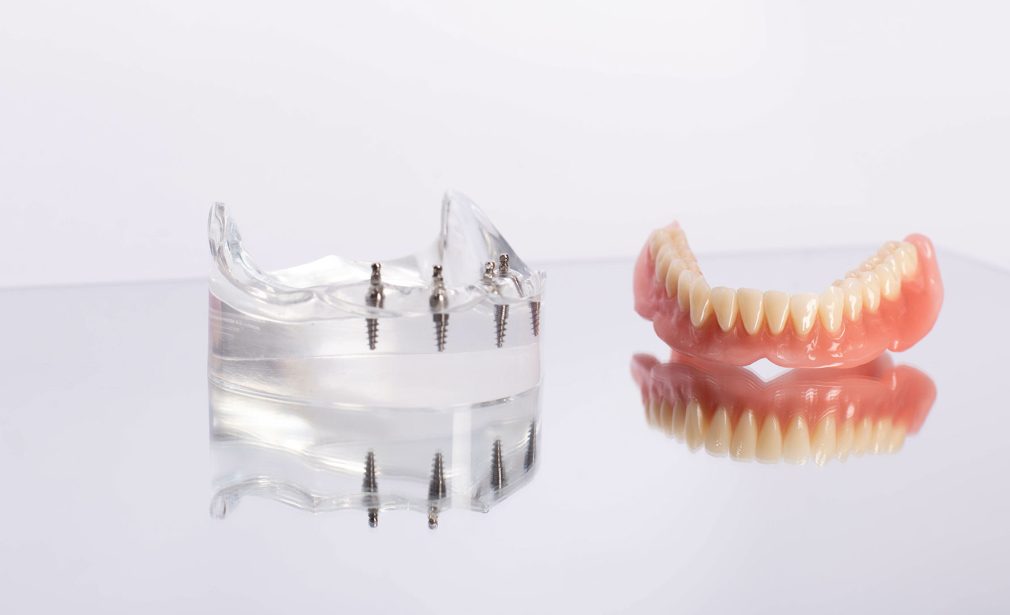
Overdentures in Bonita Springs for Implant-Supported Tooth Replacement
If you are considering Overdentures in Bonita Springs, you may want a removable tooth-replacement option that offers more support than a traditional denture alone. At Dental Blush, the dentist evaluates your oral health, gums, bite, available bone, current dental work, and treatment goals before explaining whether an implant-supported overdenture may fit your needs.
An overdenture connects with supporting structures in the mouth. When dental implants provide that support, they can help improve retention and reduce movement while still allowing you to remove the denture for cleaning.
Our office is located in Pelican Landing on S Tamiami Trail in Bonita Springs. We provide assistance in English and Spanish so patients can comfortably discuss tooth replacement, implant planning, costs, insurance information, and questions. Hablamos inglés y español.
Questions about overdentures or implant-supported tooth replacement are welcome. Our team is happy to help at (239) 524-9877.
When you feel ready to request an evaluation, you can use our Appointment Today page. Our team will review your request and follow up regarding availability.
What Is an Overdenture?
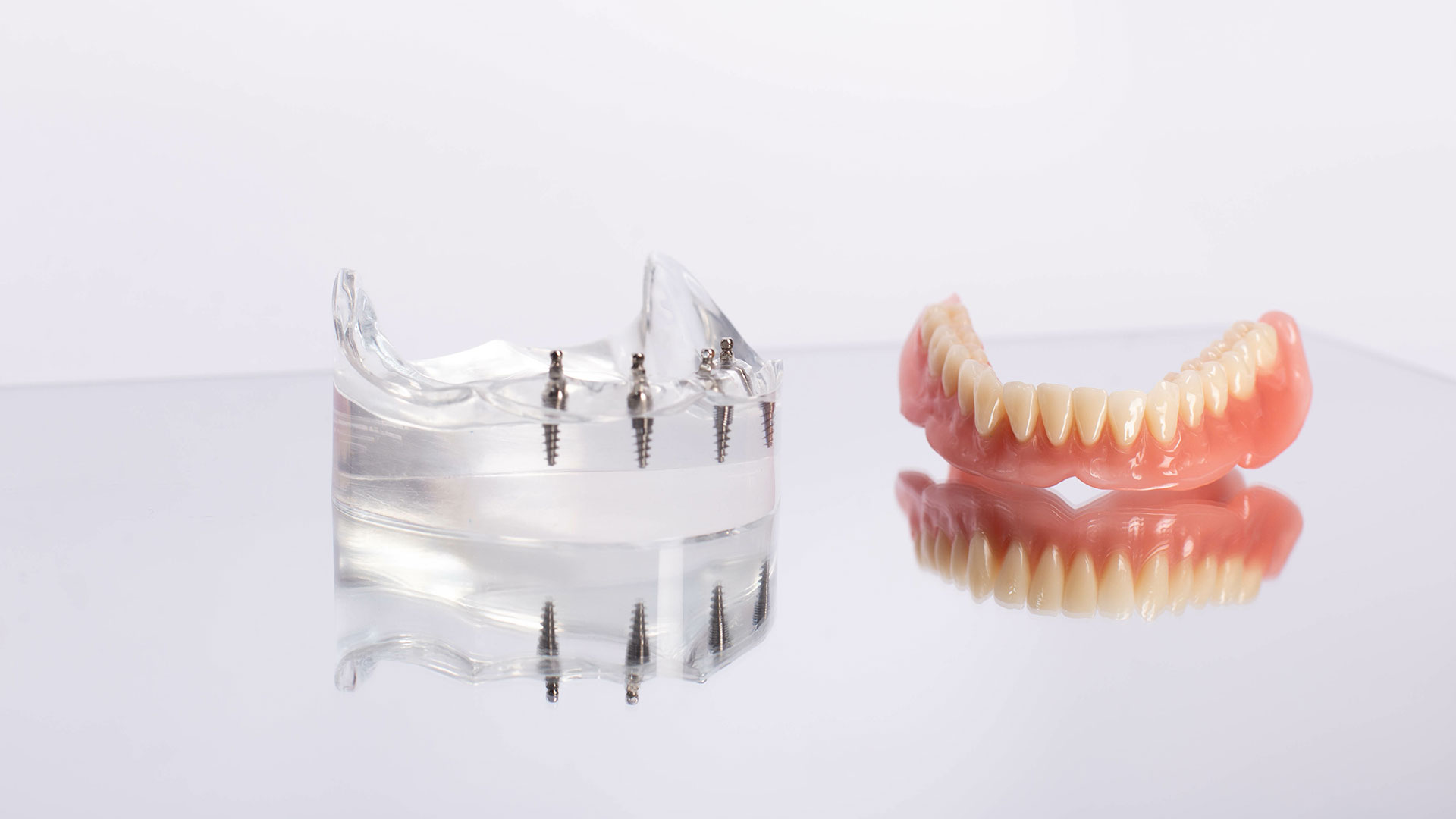
An overdenture is a removable dental prosthesis that fits over supporting structures in the mouth. Dental implants commonly provide support for this type of removable restoration, although certain treatment plans may use remaining natural tooth roots.
This page focuses mainly on implant-supported overdentures. Dental implants act as attachment points for the removable denture and can provide additional retention compared with a denture that relies only on the gums.
The dentist considers the pattern of tooth loss, gum health, available bone, bite, existing dental work, medical history, and treatment goals before recommending a specific design.
For additional general information about dentures and overdentures, you can review the American Dental Association’s denture information.
How Overdentures in Bonita Springs Use Implant Support
Dental implants provide stable attachment points within the jaw. After the implants heal appropriately, the dentist plans a removable overdenture that connects with those attachments.
The dentist chooses the number and position of implants according to the arch, available bone, bite forces, oral health, anatomy, and planned restoration. No single implant arrangement works for every patient.
When considering Implant-Supported Dentures in Bonita Springs, it helps to understand both parts of treatment: the implants provide support, while the removable denture restores the missing teeth and requires daily cleaning.
You can learn more about implant planning and treatment on our Dental Implants page.
Potential Benefits and Important Considerations
For appropriate candidates, implant support can change how a removable denture feels and functions compared with a conventional denture that relies mainly on the gums and surrounding tissues.
Potential benefits may include:
- Improved retention: Implant attachments may help the denture stay more stable during normal use.
- Reduced movement: Additional support may decrease shifting during speaking or chewing.
- Support during meals: A more stable appliance may make everyday chewing feel more manageable.
- Removable design: You can remove the overdenture for appropriate daily cleaning.
- Personalized planning: The dentist plans the implant positions, attachments, bite, and denture design around individual clinical findings.
Results and experiences vary from person to person. Implant treatment also requires healing, daily hygiene, professional follow-up, and maintenance of the attachment system and denture components over time.
Implant-Supported Dentures Compared With Traditional Dentures
A traditional complete denture rests on the gums and surrounding tissues. Its retention depends on the fit of the appliance, the shape of the mouth, muscular control, and other anatomical factors.
An implant-supported removable denture connects with dental implants for additional retention. This support may reduce movement for some patients while still allowing them to remove the appliance for cleaning.
The dentist can help you compare both options by considering oral health, bone support, treatment goals, maintenance preferences, budget, and willingness to complete implant treatment.
Patients who want to compare conventional full and partial dentures can also review our Dentures page.
Choosing Overdentures in Bonita Springs: Who May Be a Candidate?
A complete evaluation helps the dentist determine whether dental implants and an overdenture may fit your situation.
The dentist may consider:
- Pattern of tooth loss: The number and location of missing teeth influence the available replacement options.
- Gum health: Active periodontal problems or infection may need attention before implant treatment begins.
- Available bone: The dentist evaluates whether the jaw provides enough support for the proposed implant plan.
- Medical and dental history: Health conditions, medications, previous treatment, and healing factors can influence planning.
- Bite and current denture: The dentist reviews how your teeth or existing appliance function together.
- Daily maintenance: Implant attachments, gums, and the overdenture require consistent cleaning and professional follow-up.
If an implant-supported overdenture does not fit your needs, the dentist can explain other tooth-replacement options that may make more sense for your oral health and goals.
What Happens During the Evaluation?
The process begins with a conversation about your missing teeth, current denture experience, chewing concerns, medical history, oral health, and what you would like to improve.
The dentist then examines your mouth and reviews the factors that may affect treatment planning.
- Initial evaluation: The dentist reviews your gums, bite, oral tissues, remaining teeth, current restorations, and tooth-replacement needs.
- Diagnostic planning: The dental team may take appropriate images and records to evaluate the jaw and supporting structures.
- Option comparison: The dentist explains conventional dentures, overdentures, and other implant-based approaches when relevant.
- Implant planning: The dentist reviews the proposed implant locations, treatment sequence, healing considerations, and expected maintenance.
- Restoration planning: Measurements, impressions, bite information, and other records help guide the removable denture design.
- Follow-up planning: The team explains how future visits can monitor fit, bite, attachment function, comfort, cleaning, and maintenance.
The overall timeline varies because each patient has different healing needs, oral health findings, implant requirements, and restorative considerations.
Implant Placement and Healing
When the dentist recommends implant treatment, the plan includes the placement of implants in selected areas of the jaw. Healing allows the surrounding bone and tissues to develop appropriate support around the implants.
The healing period varies according to the clinical situation, implant location, bone quality, additional procedures, medical factors, and individual response.
During treatment planning, the dentist explains what you can expect between implant placement and the completion of the overdenture.
Planning the Removable Overdenture
After the implants reach the appropriate stage of healing, the restorative phase focuses on fit, bite, appearance, and how the denture connects with the implant attachments.
The dental team may use impressions, measurements, bite records, and try-in appointments to develop the final restoration.
Follow-up visits allow the dentist to review fit and function after you begin using the overdenture. Adjustments can help address pressure areas, bite concerns, attachment retention, or other changes that become noticeable during everyday use.
Caring for an Implant-Supported Overdenture
Daily care involves both the removable appliance and the tissues around the implants. A consistent routine can help manage plaque, food debris, odor, stains, and gum irritation.
- Remove the overdenture as instructed: Follow the schedule that your dental team recommends.
- Clean the appliance daily: Use products and techniques that suit the denture material.
- Clean around the implant attachments: Carefully remove plaque and food debris from the supporting areas.
- Care for the gums and oral tissues: Follow the hygiene routine recommended for your mouth.
- Attend professional follow-up visits: The dentist can check the implants, attachments, bite, denture, and surrounding tissues.
- Report changes promptly: Contact the office if you notice a loose fit, damaged component, persistent sore area, bleeding, or discomfort.
Attachment components and denture parts can wear with normal use. Professional evaluation helps determine when adjustments, repairs, or replacement parts may help.
Why Gum Health and Bone Support Matter
Dental implants depend on healthy surrounding tissues and appropriate bone support. Gum inflammation, periodontal disease, infection, or other oral health concerns can influence the timing and design of implant treatment.
The dentist also considers oral hygiene, previous tooth loss, current denture fit, bite, and medical factors when reviewing implant options.
For information about gum evaluation and periodontal treatment, you can review our Periodontal Care page.
Maintenance and Long-Term Follow-Up
An implant-supported overdenture requires ongoing care after treatment. Regular dental visits allow the team to monitor the implants, gums, attachment system, bite, and appliance.
Over time, normal wear can affect attachment components or the fit of the denture. Changes in the gums and supporting tissues can also influence comfort and retention.
Bringing concerns to the dental team early can make it easier to determine whether an adjustment, repair, new component, or another type of maintenance may help.
Insurance and Financing for Overdenture Treatment
Insurance benefits for implant-supported tooth replacement vary considerably between plans. Dental Blush works with many PPO dental insurance plans and can help review applicable Dental Medicare Advantage benefit information when possible.
Your individual policy determines coverage, exclusions, annual maximums, waiting periods, deductibles, authorization requirements, implant benefits, and estimated patient responsibility.
If additional payment flexibility would help with qualifying treatment, you can review our dental financing information. The financing provider determines approval, available amounts, rates, and payment terms.
Overdentures in Bonita Springs Near Pelican Landing
Dental Blush is located at 24600 S Tamiami Trl, Suite 206, Bonita Springs, FL 34134, in the Pelican Landing area.
Our office serves Bonita Springs and nearby communities including Estero, Bonita Bay, San Carlos Park, and North Naples.
Clear explanations matter when treatment combines dental implants with a removable restoration. Our team can help you understand the proposed steps, maintenance, costs, and alternatives before you decide how to proceed.
You can view our Bonita Springs office on Google Maps for directions.
Frequently Asked Questions About Overdentures
What is the difference between an overdenture and a traditional denture?
A traditional denture generally relies on the gums and surrounding oral tissues for support and retention. An implant-supported overdenture connects with dental implants to add retention while remaining removable.
Are all overdentures supported by implants?
No. Some overdenture designs may use remaining natural tooth roots for support. This page focuses primarily on removable overdentures that connect with dental implants.
Can I remove an implant-supported overdenture?
Yes, the type discussed on this page allows removal for cleaning. Other implant-based tooth-replacement designs work differently, so the dentist will explain the specific restoration included in your treatment plan.
How many implants will I need?
No single number works for every patient. The dentist considers the arch, available bone, bite, planned attachment system, oral health, anatomy, and other clinical factors before recommending an implant arrangement.
How long does treatment take?
The timeline depends on implant planning, healing, any dental care needed beforehand, restoration design, and your individual response. The dentist can explain the anticipated sequence after evaluating your mouth.
What happens if I do not have enough bone for implants?
The dentist evaluates available bone during implant planning. Depending on the findings, the discussion may include additional treatment, a different implant approach, or another tooth-replacement option.
Do implant-supported overdentures need maintenance?
Yes. The denture, attachments, gums, implants, and bite all need ongoing home care and professional evaluation. Attachment components may also need adjustment or replacement as they wear.
Can I use regular denture cleaner?
Cleaning recommendations depend on the denture material and attachment system. Follow the products and techniques that your dental team recommends rather than assuming every denture cleaner works with every restoration.
Questions About Overdentures in Bonita Springs?
When you are comparing conventional dentures with implant-supported options, you do not need to choose a treatment before having your mouth evaluated. A consultation can help clarify the differences, clinical requirements, maintenance, and expected treatment steps.
Our team is happy to answer questions about overdentures, implant support, or what an evaluation may involve at (239) 524-9877.
For general questions online, you can also use our Contact Us page.
Dental Blush
24600 S Tamiami Trl, Suite 206
Bonita Springs, FL 34134
Humana Dental Insurance


Aetna Dental Insurance


Cigna Dental Insurance


Blue Cross Blue Shield Dental Insurance


Ameritas Dental Insurance


UnitedHealthcare Dental Insurance