
Root Canal Treatment in Bonita Springs for Tooth Pain and Infection
If your search for Root Canal Bonita Springs brought you here because of tooth pain, sensitivity, swelling, or concern about a damaged tooth, the first step is finding the source of the problem. At Dental Blush, the dentist evaluates the affected tooth, surrounding tissues, symptoms, and available treatment options before recommending care.
Root canal treatment may help preserve a natural tooth when the pulp inside it becomes inflamed or infected and the tooth can still be restored. Tooth pain can have different causes, however, so symptoms alone cannot determine whether root canal treatment is necessary.
Our office is located in Pelican Landing on S Tamiami Trail in Bonita Springs. We provide assistance in English and Spanish so patients can comfortably discuss pain, treatment recommendations, costs, and questions. Hablamos inglés y español.
If you are dealing with tooth pain or would like to understand what the next step may involve, our team is happy to help at (239) 524-9877.
If you feel ready to request an evaluation, you can use our Appointment Today page. Our team will review your request and follow up regarding availability.
What Happens Inside a Tooth?
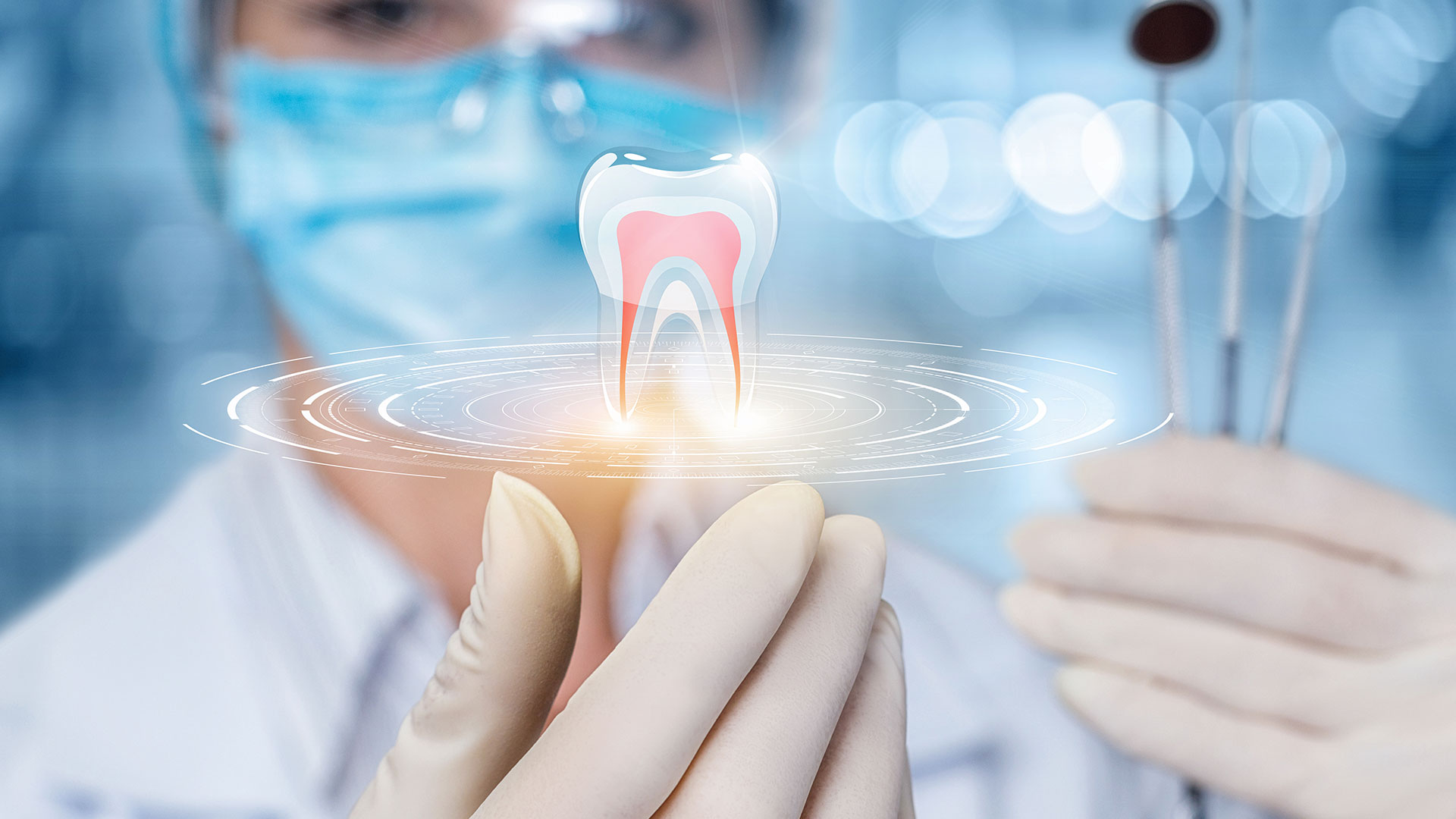
Beneath the outer layers of a tooth is soft tissue called the pulp. This tissue contains nerves, blood vessels, and connective tissue. Deep decay, cracks, trauma, or other dental problems can sometimes cause the pulp to become inflamed or infected.
Root canal treatment removes affected pulp tissue, cleans and shapes the internal canal space, and seals the area. The tooth then needs an appropriate restoration so it can continue functioning.
For additional patient education, the American Association of Endodontists explains how root canal treatment works and why it may be recommended.
Signs That May Need a Dental Evaluation
Root Canal Care in Bonita Springs may become part of the treatment discussion when symptoms or clinical findings suggest that the tissue inside a tooth is affected. These signs do not automatically mean that a root canal is needed.
Reasons to have a tooth evaluated may include:
- Persistent tooth pain: Discomfort that continues or becomes more noticeable over time deserves evaluation.
- Lingering temperature sensitivity: Pain from hot or cold that continues after the source is removed can indicate a deeper dental problem.
- Pain when biting or chewing: This can occur with several dental conditions, including cracks, decay, or problems involving the pulp.
- Swelling or gum tenderness: Changes around a specific tooth may be associated with infection or inflammation.
- A chipped, cracked, or damaged tooth: Damage can sometimes affect the tissue inside the tooth even when the full extent is not visible.
- Changes around an existing restoration: New symptoms around a filling or crown should be evaluated to determine the cause.
Because similar symptoms can come from different dental problems, diagnosis should come before deciding on treatment.
When Tooth Pain Needs Prompt Attention
Severe or increasing tooth pain, swelling, dental trauma, a broken tooth, or signs of infection may require prompt evaluation. An urgent dental concern does not automatically mean that root canal treatment will be necessary. The appropriate care depends on what the dentist finds.
Same-day emergency evaluations may be available depending on the office schedule and the nature of the dental concern.
If you have an urgent dental problem, you can review our emergency dental care information.
If swelling affects your ability to breathe or swallow, or if you have uncontrolled bleeding or another potentially life-threatening medical emergency, call 911 or seek emergency medical care.
How the Tooth Is Evaluated
Your visit begins with a discussion about your symptoms, when they started, dental history, medications, existing restorations, and the affected tooth. The dentist then examines the area and surrounding tissues.
Diagnostic images may be recommended when clinically appropriate. They can provide additional information about the roots, surrounding bone, existing dental work, and areas that cannot be fully evaluated during a visual examination.
You can learn more about the imaging used during dental evaluations on our Dental Radiographs page.
After reviewing the clinical findings, the dentist can explain whether root canal treatment, restorative care, extraction, monitoring, or another approach may be appropriate.
What Happens During Root Canal Treatment?
The exact procedure depends on the tooth, the extent of inflammation or infection, previous dental work, and the individual treatment plan.
- Evaluation: The dentist reviews the tooth, symptoms, and relevant diagnostic information before treatment begins.
- Comfort management: The treatment area is typically numbed before the procedure, and the dental team explains what to expect.
- Access and cleaning: The affected pulp tissue is removed and the inside of the tooth is carefully cleaned.
- Shaping and sealing: The internal canal spaces are prepared and sealed according to the treatment plan.
- Restoration: The tooth receives or is planned for an appropriate restoration after treatment.
- Follow-up: The dental team provides instructions and explains any additional restorative or monitoring needs.
The number of visits and treatment sequence can vary according to the condition of the tooth and individual circumstances.
Comfort During and After Treatment
Many people worry about discomfort when they hear the words root canal. Modern root canal treatment is performed with measures to keep the treatment area comfortable, and the procedure is intended to address the diseased or inflamed tissue contributing to the dental problem.
Temporary tenderness or sensitivity can occur after treatment, especially if the tooth and surrounding tissues were already irritated beforehand. Your dental team will provide instructions based on your procedure and individual needs.
If discomfort becomes severe, increases instead of improving, or is accompanied by new swelling or another unexpected symptom, contact the dental office for guidance.
Protecting the Tooth After a Root Canal
Completing the root canal is only part of preserving the tooth. The remaining structure needs an appropriate final restoration to protect it and support normal function.
Depending on the tooth, remaining structure, bite, and previous damage, the final restoration may involve a filling, crown, or another restorative approach.
If a crown is being considered after treatment, you can learn more about our dental crown treatment and how restorations are evaluated.
Saving the Tooth or Considering Extraction
Preserving a natural tooth is an important goal when the tooth can be predictably treated and restored. Root canal treatment may allow an affected tooth to remain in the mouth rather than being removed.
There are also situations in which a tooth is too fractured, lacks sufficient support, cannot be restored predictably, or has another condition that makes extraction the more appropriate option.
If removal becomes part of the treatment discussion, our Tooth Extractions page explains how the dentist evaluates whether a tooth should be removed and what may happen afterward.
Insurance and Financing for Root Canal Care
Dental Blush works with many PPO dental insurance plans and can help review applicable Dental Medicare Advantage benefit information when possible. Coverage, deductibles, annual maximums, limitations, network requirements, and estimated patient responsibility vary according to the individual plan and recommended treatment.
If additional payment flexibility would be helpful for qualifying care, you can review our dental financing information. Approval, rates, available amounts, and payment terms are determined by the financing provider.
Root Canal Care Near Pelican Landing
Dental Blush is located at 24600 S Tamiami Trl, Suite 206, Bonita Springs, FL 34134, in the Pelican Landing area.
Our office serves Bonita Springs and nearby communities including Estero, Bonita Bay, San Carlos Park, and North Naples.
Clear communication is especially important when you are dealing with dental pain. We provide assistance in English and Spanish so patients can discuss symptoms, treatment recommendations, insurance information, costs, and aftercare in the language they feel more comfortable using.
You can view our Bonita Springs office on Google Maps for directions.
Frequently Asked Questions About Root Canal Bonita Springs Treatment
How do I know whether I need a root canal?
Symptoms alone cannot confirm that root canal treatment is necessary. Tooth pain, lingering temperature sensitivity, swelling, pain when biting, deep decay, or a cracked tooth are reasons to have the area evaluated so the cause can be identified.
Can root canal treatment save a natural tooth?
When the tooth can be treated and restored appropriately, root canal treatment may allow it to remain in place by removing affected tissue from inside the tooth and sealing the canal system.
Does every painful tooth need a root canal?
No. Tooth pain has many possible causes. The dentist needs to evaluate the tooth before determining whether the appropriate treatment is a root canal, restoration, extraction, periodontal care, monitoring, or another approach.
Will I need a crown after a root canal?
Not every tooth requires exactly the same restoration after root canal treatment. The recommendation depends on the location of the tooth, amount of remaining structure, bite forces, previous damage, and other clinical findings.
How long does root canal treatment take?
The number and length of appointments vary according to the tooth, complexity of the canal system, existing infection or inflammation, previous treatment, and individual circumstances. The expected sequence can be discussed after the tooth is evaluated.
What should I do if tooth pain starts suddenly?
Contact the dental office for guidance, particularly when pain is severe or accompanied by swelling, trauma, a broken tooth, or other signs of a significant dental problem. The team can review your concern and explain available evaluation options.
Questions About Root Canal Care in Bonita Springs?
If you are experiencing tooth pain, sensitivity, swelling, or concern about a damaged tooth, you do not need to determine the treatment on your own. An evaluation can help identify the source of the problem and whether root canal treatment or another approach may be appropriate.
If you have questions about root canal treatment, symptoms, or what an evaluation may involve, our team is happy to help at (239) 524-9877.
If you prefer to send a general question online, you can use our Contact Us page.
Dental Blush
24600 S Tamiami Trl, Suite 206
Bonita Springs, FL 34134
Humana Dental Insurance


Aetna Dental Insurance


Cigna Dental Insurance


Blue Cross Blue Shield Dental Insurance


Ameritas Dental Insurance


UnitedHealthcare Dental Insurance