Tooth Nerve Treatment Miami: When Tooth Pain May Come From Inside the Tooth
Tooth Nerve Treatment Miami becomes a concern when pain, sensitivity, swelling, or pressure may involve the soft tissue inside a tooth. At Dental Blush, we encourage patients to pay attention to symptoms that persist, become stronger, or change over time.
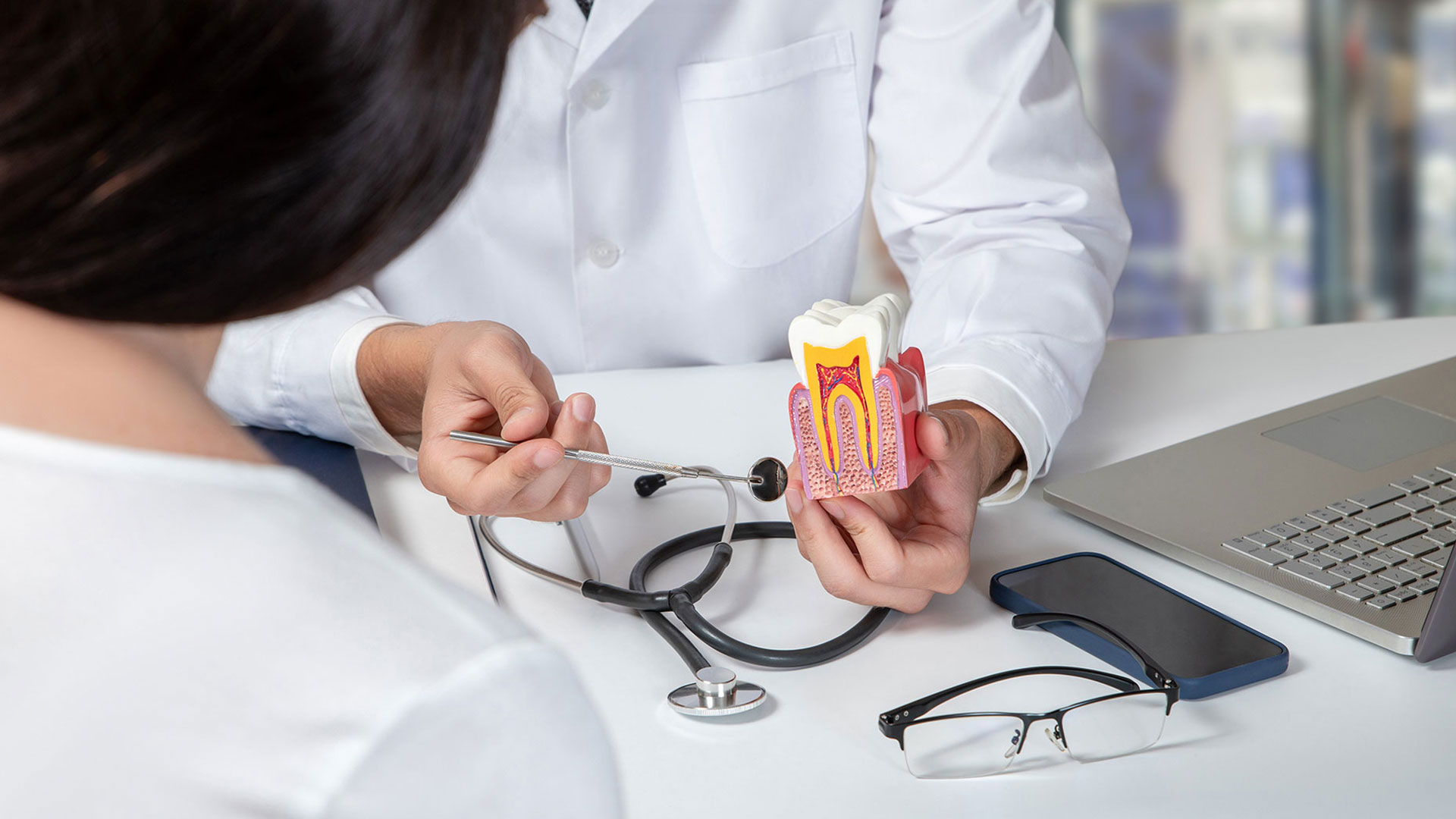
The center of a tooth contains soft tissue called the pulp. This tissue includes nerves, blood vessels, and connective tissue. Deep decay, cracks, repeated dental procedures, or trauma can sometimes cause the pulp to become inflamed or infected.
This article explains common warning signs, why tooth nerve problems develop, how dentists evaluate them, and what patients may expect if root canal treatment becomes necessary.
What Is the Tooth Nerve?
The term “tooth nerve” usually refers to the nerve tissue found within the dental pulp. The pulp sits inside the tooth beneath the enamel and dentin.
A healthy pulp plays an important role during tooth development. Once a tooth has fully matured, the surrounding tissues can continue nourishing it even if root canal treatment later removes the pulp.
When the pulp becomes inflamed or infected, the tooth may become painful or sensitive. In some cases, an abscess can develop if the condition progresses.
Common Root Canal Warning Signs
Tooth nerve problems do not feel exactly the same for everyone. Some people experience strong pain, while others initially notice more subtle changes.
Possible Root Canal Warning Signs include:
- Severe pain while biting or chewing
- Sensitivity to hot or cold that lingers
- Tender or swollen gums near a tooth
- A pimple-like bump on the gum
- A chipped or cracked tooth with new symptoms
- Deep decay
- Darkening or discoloration associated with an injured or damaged tooth
These symptoms don’t automatically mean you need a root canal. Several dental problems can cause similar discomfort, so an examination is necessary to determine the source.
Why Can a Tooth Nerve Become Inflamed or Infected?
Dental pulp sits inside a protective shell of enamel and dentin. Problems can begin when bacteria or trauma affect this protected area.
Possible causes include:
- Deep tooth decay
- A cracked or chipped tooth
- Previous dental procedures involving the same tooth
- A damaged or leaking restoration
- Trauma to the tooth, even when no obvious fracture is visible
An injured pulp may become inflamed or infected. Symptoms can also change over time, so a reduction in pain does not always confirm that the underlying problem has resolved.
The American Association of Endodontists provides additional information about root canal symptoms and treatment.
Does Every Toothache Mean You Need a Root Canal?
No. Tooth pain has many possible causes.
A cavity that has not reached the pulp may require a different type of treatment. Gum problems, cracked teeth, bite pressure, sensitivity, damaged restorations, and other conditions can also cause discomfort.
This is why diagnosing yourself based only on pain can be difficult. A dental examination helps determine whether the discomfort comes from the pulp, surrounding gum tissue, bite, restoration, or another source.
How Does a Dentist Evaluate Tooth Nerve Pain?
The evaluation usually begins with questions about your symptoms. The dentist may ask when the pain started, what triggers it, and how long sensitivity lasts.
The clinical examination can also include checking the tooth, gums, bite, existing restorations, and nearby teeth.
Dental radiographs may help the dentist evaluate the roots and surrounding bone when imaging is clinically appropriate. You can learn more about the role of imaging on our Dental Radiographs in Miami page.
After gathering this information, the dentist can determine whether Tooth Nerve Treatment Miami, root canal treatment, or another type of care may be appropriate.
Questions About Tooth Nerve Treatment Miami?
Tooth pain can be difficult to interpret on your own. You may have lingering sensitivity, discomfort while chewing, or changes around a tooth and still be unsure what they mean.
If you would like to ask us a question before deciding what to do next, you can contact Dental Blush. Our team is happy to listen to what you have been experiencing and help you understand an appropriate next step.
What Happens During Tooth Nerve Treatment?
Tooth Nerve Treatment Miami is another term patients may use for root canal treatment. The procedure removes inflamed or infected pulp from inside the tooth.
In general, treatment involves several steps:
- Evaluation: The dentist examines the tooth and reviews diagnostic information.
- Local anesthesia: The dentist numbs the treatment area to help maintain comfort.
- Cleaning: The dentist removes the affected pulp and cleans the root canal system.
- Shaping and sealing: The canals are prepared and sealed with an appropriate material.
- Restoration: A filling, crown, or other restoration protects the tooth after treatment.
The exact process and number of appointments can vary according to the tooth and clinical situation.
For complete information about treatment at our office, visit our dedicated Root Canal in Miami service page.
Can Root Canal Treatment Help Save the Natural Tooth?
Root canal treatment aims to preserve a tooth whose pulp has become inflamed or infected when the remaining tooth can still be restored.
After the affected pulp is removed, the dentist cleans and seals the root canal system. The tooth then receives an appropriate restoration to protect it and restore function.
Not every tooth can be saved. Severe fractures, inadequate remaining structure, poor bone support, inaccessible canals, or other clinical factors may affect whether treatment is possible.
Will You Need a Crown After Tooth Nerve Treatment?
Not every root canal-treated tooth automatically needs exactly the same restoration.
Back teeth such as molars and premolars often need substantial protection because they handle significant chewing forces. Front teeth may have different restorative needs.
The condition of the tooth and the amount of remaining healthy structure help determine the final restoration.
If your dentist recommends a crown, our Dental Crown in Miami page explains how crowns protect and restore damaged teeth.
Recovery After Tooth Nerve Treatment Miami
Some tenderness or sensitivity can occur for a few days after treatment. This may be more noticeable when the tooth was painful or infected before the procedure.
Follow the instructions provided by your dentist or endodontist. Avoid putting heavy chewing pressure on a tooth that still has a temporary restoration or has not received its final restoration.
Contact your dental professional if severe pain or pressure continues for more than a few days, visible swelling develops, your bite feels uneven, or previous symptoms return.
Can You Return to Normal Activities After a Root Canal?
Many people can return to their usual routine soon after root canal treatment. Numbness from local anesthesia may continue for several hours.
It is important to avoid accidentally biting the cheek, lip, or tongue while the area remains numb. Your dental team will explain any additional restrictions based on your specific treatment.
What Happens If Tooth Nerve Problems Are Ignored?
Inflammation or infection inside a tooth requires professional evaluation. When infection progresses, it can affect tissues around the root and may lead to an abscess.
Waiting can also affect whether the dentist can preserve the natural tooth. The appropriate timing depends on your symptoms and clinical findings.
For severe pain, significant swelling, trauma, or another urgent dental concern, review our Emergency Dentist in Miami information.
Frequently Asked Questions About Tooth Nerve Treatment Miami
Is Tooth Nerve Treatment the Same as a Root Canal?
Yes. Tooth Nerve Treatment Miami commonly refers to root canal or endodontic treatment. The procedure treats the pulp and root canal system inside the tooth.
How Do I Know Whether Tooth Pain Involves the Nerve?
Persistent pain, lingering temperature sensitivity, discomfort while chewing, swelling, and certain other changes can occur with pulp inflammation or infection.
These may be Root Canal Warning Signs, but an examination is necessary because other dental conditions can cause similar symptoms.
Is Root Canal Treatment Painful?
Dental professionals use local anesthesia during root canal treatment. The purpose of the procedure is to address a problem involving an inflamed or infected pulp.
Some tenderness may occur afterward while the surrounding tissues recover.
How Many Visits Does Tooth Nerve Treatment Take?
The number of appointments varies. Some Tooth Nerve Treatment Miami cases can be completed in one treatment visit, while others may require additional care or a separate appointment for the final restoration.
Will I Need a Crown Afterward?
It depends on the tooth and how much healthy structure remains. Back teeth often need extra protection, while other teeth may have different restorative needs.
Can a Treated Tooth Still Develop Problems Later?
Yes. A properly treated tooth can function for many years, but problems can occasionally develop later.
Continued dental care helps monitor the tooth and its restoration.
When Should Tooth Pain Receive Urgent Attention?
Seek prompt dental advice for severe or rapidly increasing pain, significant swelling, drainage, trauma, or other concerning symptoms.
Some Root Canal Warning Signs overlap with other urgent dental problems, so an evaluation helps determine what is actually causing the symptoms.
Where Is Dental Blush in Miami?
Patients with questions about Tooth Nerve Treatment Miami can visit Dental Blush at 12260 SW 8th St, Suite 226, Miami, FL 33184, inside InterPlaza Shopping Center in the Tamiami area.
For directions, open our Dental Blush location on Google Maps.
Have Questions About Tooth Nerve Pain?
If tooth pain, sensitivity, swelling, or pressure continues, a dental evaluation can help determine whether the pulp is involved and what type of care may be appropriate.
If you would like to speak with our team about what you have been noticing, call (305) 553-0666. We are happy to answer your questions in English or Spanish.
When you’re ready to have the tooth evaluated, you can request a visit through our Appointment Today page.