Teeth Grinding Symptoms in Miami: Could Daily Stress Be Affecting Your Smile?
Teeth Grinding Symptoms in Miami can be easy to overlook because grinding and clenching often happen without conscious awareness. At Dental Blush, we encourage patients to pay attention to changes such as jaw tension, morning headaches, tooth sensitivity, worn edges, or unexplained damage to dental restorations.
Some people clench their jaw while concentrating, driving, working, exercising, or dealing with stressful situations. Others grind their teeth during sleep and may not realize it until someone hears the sound or a dentist notices signs of wear.
Not every sore jaw or headache comes from bruxism. Understanding the pattern of your symptoms and having your teeth and jaw evaluated can help determine whether grinding or another condition may be contributing.
What Is Bruxism?
Bruxism means grinding, clenching, or tightly pressing the teeth together. It can happen while you are awake or during sleep.
Many cases remain mild and may not cause significant dental problems. More frequent or forceful grinding, however, can place considerable pressure on the teeth, jaw muscles, and existing dental work.
People researching Bruxism Symptoms in Miami often first notice physical changes rather than the grinding itself. A dentist may see flattened tooth surfaces, small fractures, damaged restorations, or other signs during an examination.
For additional information about bruxism, visit the National Institute of Dental and Craniofacial Research bruxism resource.
Common Teeth Grinding Symptoms in Miami
The signs of bruxism vary from person to person. They can also differ depending on whether the habit mainly occurs during the day or while sleeping.
Possible Teeth Grinding Symptoms in Miami include:
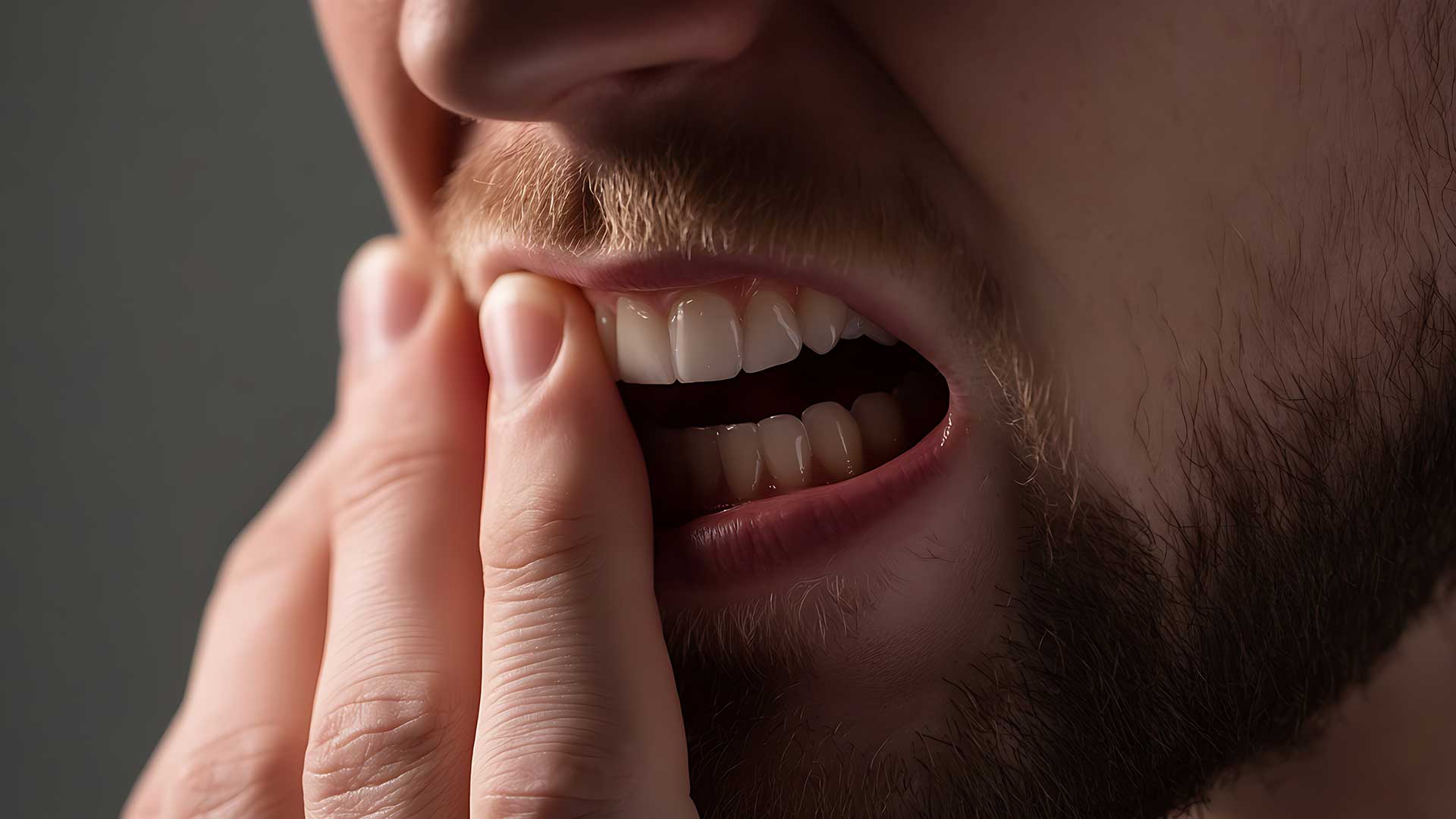
- Jaw tightness, soreness, or tiredness
- Morning headaches, especially around the temples
- Flattened or worn tooth surfaces
- Chipped or cracked teeth
- New or increasing tooth sensitivity
- Facial muscle discomfort
- Pain or discomfort while chewing
- Damaged fillings, crowns, veneers, or other restorations
- Jaw stiffness or difficulty opening comfortably
- Grinding sounds that someone else notices while you sleep
These symptoms can have other causes, so the presence of one or more signs does not automatically confirm bruxism.
Awake Bruxism and Sleep Bruxism Can Look Different
Awake bruxism often involves clenching or holding tension in the jaw rather than obvious grinding. You may notice it while concentrating on work, responding to pressure, driving, or focusing intensely on a task.
A simple awareness check can sometimes help. During a relaxed resting position, your teeth generally do not need to remain pressed tightly together.
Sleep bruxism can be harder to recognize because you are not conscious while it happens. Morning jaw fatigue, tooth soreness, headaches, or grinding sounds noticed by someone nearby may provide clues.
Because Bruxism Symptoms in Miami can occur during either waking hours or sleep, your dentist may ask when you notice discomfort and whether symptoms feel stronger at particular times of day.
Can Stress Contribute to Teeth Grinding?
Stress, nervousness, emotional tension, and other psychosocial factors can contribute to bruxism in some people. They do not explain every case.
Someone may notice that jaw clenching becomes more frequent during periods of intense work, poor sleep, financial pressure, or other stressful circumstances. The habit may occur without conscious awareness until the muscles begin to feel tired.
Other factors can also influence bruxism. Research and clinical guidance have linked grinding or clenching with caffeine, alcohol, smoking, genetics, and certain medications, among other considerations.
If you believe a prescription medication may contribute to symptoms, speak with the healthcare professional who prescribed it before making any changes.
How Teeth Grinding Can Affect Your Teeth
Repeated grinding pressure can gradually alter tooth surfaces. Edges may become flatter or shorter, and existing weak areas may experience additional stress.
As enamel wears, deeper tooth structure may become more exposed. Some people then notice increased sensitivity to cold, heat, sweets, or pressure.
Grinding can also place additional forces on fillings, crowns, veneers, bridges, and other dental restorations. A restoration that repeatedly chips, loosens, or fractures deserves evaluation because the dental team needs to understand why the problem keeps occurring.
Regular examinations provide an opportunity to identify tooth wear and other changes. If you are due for preventive care, our professional teeth cleaning information explains what happens during a routine preventive visit.
Jaw Pain Does Not Always Mean Teeth Grinding
Jaw discomfort can occur with bruxism, but grinding is only one possible explanation.
Dental infections, damaged teeth, muscle problems, temporomandibular disorders, trauma, and other conditions can also cause pain in or around the jaw.
A clicking or popping sound by itself does not always mean that treatment is necessary. Persistent pain, significant limitation when opening the mouth, locking, swelling, or difficulty chewing deserves professional evaluation.
This is one reason Teeth Grinding Symptoms in Miami should not be diagnosed from symptoms alone.
How a Dentist Evaluates Bruxism Symptoms in Miami
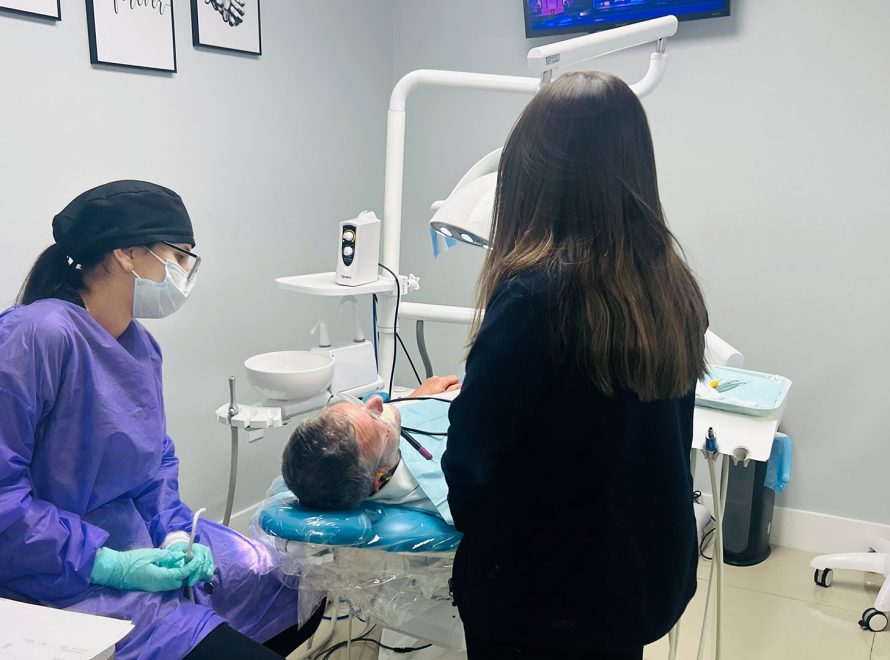
The evaluation usually starts with a conversation about when you notice discomfort, how long it has been happening, and whether symptoms appear mainly after waking or during the day.
The dentist may examine:
- Patterns of tooth wear
- Chipped or cracked enamel
- Existing fillings, crowns, or other restorations
- Tenderness in the jaw muscles
- The way your teeth contact
- Areas of tooth sensitivity or pain
- Jaw movement and comfort
When clinically useful, the dentist may also recommend diagnostic imaging to evaluate a tooth or surrounding structures. Our dental radiographs information explains why dentists select X-rays according to individual diagnostic needs.
During an evaluation for Bruxism Symptoms in Miami, the goal is not simply to confirm that grinding occurs. The dentist also needs to understand whether it has damaged the teeth and whether another condition may contribute to the symptoms.
Questions About Bruxism Symptoms in Miami?
Sometimes symptoms do not fit neatly into one category. You may notice jaw tension, headaches, tooth sensitivity, or changes in a restoration and still be unsure whether grinding is involved.
If you would like to ask us a question before deciding what to do next, you can contact Dental Blush. Our team is here to listen to what you have been experiencing and help you better understand your options.
Can a Night Guard Help With Bruxism Symptoms in Miami?
A dentist may recommend an oral appliance, commonly called a night guard or splint, when it fits the individual situation.
The appliance creates a protective barrier between the teeth and can help reduce direct damage from grinding or clenching. It does not necessarily eliminate the underlying reason that bruxism occurs.
The dentist should evaluate your teeth, bite, existing restorations, symptoms, and overall dental condition before recommending an appliance.
Some people need additional evaluation when sleep-related symptoms, jaw problems, stress, or another health concern may contribute to the condition.
Simple Ways to Become More Aware of Daytime Clenching
People who clench while awake may benefit from learning to recognize when the jaw becomes tense.
Periodic reminders on a phone, computer, or workspace can prompt you to check your jaw position and relax unnecessary tension.
Other habits that may support comfort include:
- Taking short breaks during stressful or highly focused tasks
- Avoiding continuous gum chewing when the jaw feels tired
- Maintaining a consistent sleep routine when possible
- Reducing excessive caffeine, particularly later in the day
- Avoiding chewing ice, pens, or other hard objects
- Discussing medication concerns with the prescribing healthcare professional
These habits do not replace an examination when pain, tooth damage, persistent headaches, or other symptoms continue.
When Teeth Grinding Symptoms in Miami Need Dental Attention
Consider scheduling an evaluation when jaw tension persists, morning headaches occur repeatedly, your teeth become newly sensitive, or you begin noticing visible changes in tooth shape.
Repeatedly damaged fillings, crowns, or other restorations can also provide a reason to investigate possible grinding forces.
More urgent evaluation may be appropriate when a tooth suddenly cracks, significant swelling develops, pain becomes severe, trauma occurs, or you cannot open your mouth normally.
For significant dental pain, swelling, trauma, or another urgent concern, review our emergency dental care information.
Frequently Asked Questions About Teeth Grinding Symptoms in Miami
Can Stress Cause Teeth Grinding?
Stress and emotional tension can contribute to grinding or clenching in some people, but they are not the only possible factors.
When evaluating Teeth Grinding Symptoms in Miami, it is important to consider the overall pattern rather than assuming stress is automatically the cause.
What Are Common Teeth Grinding Symptoms at Night?
Possible signs include morning jaw soreness, headaches, tooth sensitivity, visible tooth wear, damaged restorations, or grinding sounds noticed by someone nearby.
Because sleep-related Bruxism Symptoms in Miami may happen without conscious awareness, some patients first learn about the problem from symptoms or changes noticed during a dental examination.
Can Teeth Grinding Symptoms in Miami Damage Crowns or Fillings?
Yes. Repeated grinding forces can place additional stress on fillings, crowns, veneers, and other restorations.
The amount of risk depends on the force, frequency, restoration, and condition of the surrounding tooth. Repeated damage is a good reason to have the area evaluated instead of simply repairing the same restoration again without considering why it continues to fail.
Does Everyone With Bruxism Need a Night Guard?
No. The appropriate recommendation depends on the symptoms, tooth wear, existing restorations, grinding pattern, bite, and other clinical findings.
A dental evaluation for Bruxism Symptoms in Miami can help determine whether an oral appliance may be useful or whether another issue also needs attention.
Can Bruxism Symptoms in Miami Cause Headaches?
Jaw clenching and grinding can contribute to headaches in some people, particularly when the jaw muscles remain tense.
Headaches have many possible causes, so frequent or severe headaches may also require evaluation by an appropriate healthcare professional.
Can Damaged or Worn Teeth Be Repaired?
Depending on the amount and location of tooth damage, restorative options may be available.
The dentist first needs to evaluate the condition of the teeth and whether ongoing Teeth Grinding Symptoms in Miami could continue placing pressure on a repaired area.
Can Jaw Pain Come From Something Other Than Bruxism?
Yes. Jaw pain may involve the muscles, jaw joints, teeth, infections, trauma, or other conditions.
An examination helps narrow down the possible source, which is why our goal is to understand what is causing the discomfort before discussing treatment.
Where Can I Discuss Bruxism Symptoms in Miami?
If you are concerned about Bruxism Symptoms in Miami, Dental Blush is located at 12260 SW 8th St, Suite 226, Miami, FL 33184, inside InterPlaza Shopping Center in the Tamiami area.
For directions, open our Dental Blush location on Google Maps.
Concerned About Teeth Grinding Symptoms in Miami?
If you are noticing ongoing Teeth Grinding Symptoms in Miami, a dental evaluation can help identify signs of wear, assess damaged restorations, review jaw discomfort, and determine whether further care may be appropriate.
If you would like to speak with our team about what you have been noticing, call (305) 553-0666. We are happy to answer your questions in English or Spanish.
When you feel ready to have the area evaluated, you can request your visit through our Appointment Today page.