Benefits of Dental Implants Beyond Replacing a Missing Tooth
The Benefits of Dental Implants go beyond filling an empty space in your smile. Missing teeth can affect chewing and may allow nearby teeth to shift over time. Tooth loss can also be associated with changes in the bone around the missing tooth. At Dental Blush, we believe understanding these changes can make tooth replacement decisions easier.
A dental implant replaces the root portion of a missing tooth with a structure placed within the jawbone. After healing, it can support a crown, bridge, or implant-supported restoration.
This article explains how implants work, their functional advantages, how they compare with other options, and what helps support them over time.
What Are Dental Implants and How Do They Work?
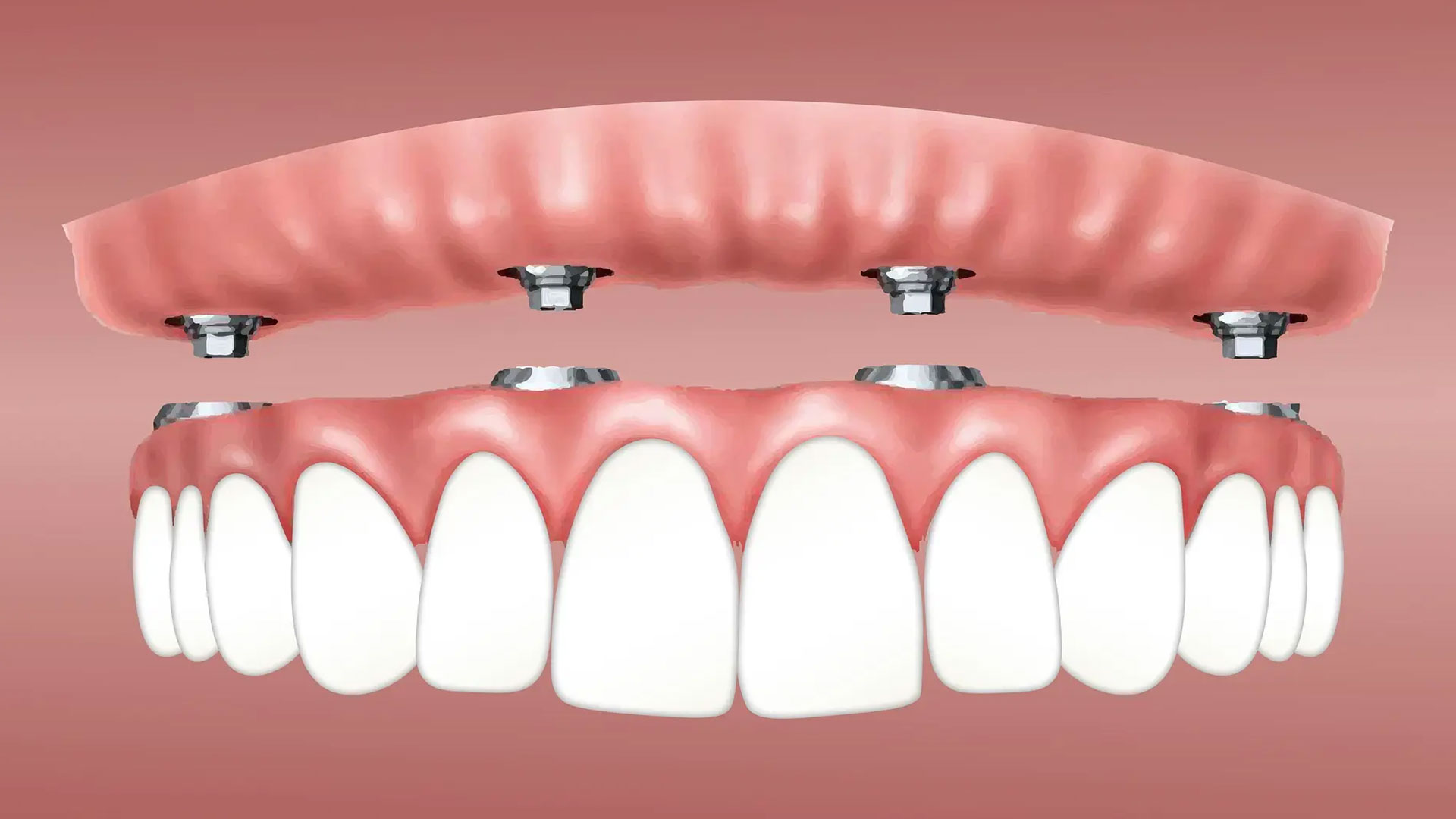
A dental implant is a biocompatible post that a dental professional places into the jawbone. Titanium and other materials compatible with the body are commonly used for dental implants.
During healing, the surrounding bone integrates with the implant surface through a process called osseointegration. This process helps create a stable foundation for the final restoration.
Once the implant has reached the appropriate stage of healing, it may support a crown for one missing tooth. Implants can also support bridges or certain types of dentures when multiple teeth need replacement.
The treatment process varies from person to person. Bone availability, gum health, medical history, healing, and the missing tooth’s location can all affect planning.
What Are the Main Benefits of Dental Implants?
The Advantages of Dental Implants come mainly from the way the restoration receives support from an implant placed in the jaw rather than relying only on the gum tissue or neighboring teeth.
1. Stable Support for a Replacement Tooth
After successful integration, an implant can provide a stable foundation for a dental restoration. That stability can help with everyday functions such as biting and chewing.
The exact result depends on implant placement, the final restoration, bone support, bite forces, and other individual factors.
2. Support Within the Jawbone
Healthy integration between the implant and surrounding bone plays an important role in implant stability.
Dental implants do not guarantee that bone levels will never change. The bone and gum tissues around an implant still require monitoring and regular care.
3. Less Reliance on Neighboring Teeth
A conventional dental bridge commonly uses adjacent teeth for support. Depending on the bridge type, those teeth may need reshaping to hold the restoration.
A single dental implant receives its primary support from the implant within the jaw. It therefore does not depend on neighboring natural teeth in the same way as a conventional tooth-supported bridge.
4. Improved Stability Compared With an Empty Space
A missing tooth can affect chewing and may allow nearby teeth to move toward the open space.
Replacing the missing tooth can restore contact within the dental arch and provide additional functional support. The dentist must evaluate the bite carefully because each situation is different.
5. Support for Different Types of Restorations
Implants are not limited to replacing a single tooth. Depending on the clinical situation, they may support individual crowns, implant-supported bridges, or certain denture designs.
This flexibility allows the treatment plan to reflect the number of missing teeth, available bone, functional needs, and other clinical considerations.
Comparing Tooth Replacement Options
No single tooth replacement option works best for everyone. Dental implants, bridges, and removable dentures use different support systems.
- Removable dentures: Replace missing teeth with a removable appliance supported primarily by the oral tissues and remaining structures.
- Traditional bridges: Replace a missing space by using neighboring teeth as support for the restoration.
- Implant-supported restorations: Use implants placed within the jaw to support crowns, bridges, or certain denture designs.
The appropriate choice depends on several factors. These include the number and location of missing teeth, gum health, bone availability, medical considerations, personal preferences, and treatment goals.
The American Dental Association provides additional general information in its dental implants guide.
Who May Be a Candidate for Dental Implants?
Dental implant planning requires an individual evaluation. The dentist needs to examine the mouth and review factors that may affect treatment or healing.
The evaluation may consider:
- Available jawbone in the treatment area
- Condition of the gums and surrounding tissues
- Overall dental health
- Medical history and medications
- Tobacco use
- Bite forces and grinding or clenching habits
- Ability to maintain regular oral hygiene
Some health conditions or habits can influence healing and treatment planning. They do not automatically determine whether someone can receive an implant. The dental and medical history needs individual review because the Benefits of Dental Implants depend on treatment being appropriate for the individual patient.
Questions About the Advantages of Dental Implants?
Choosing how to replace a missing tooth can involve several considerations. You may be comparing an implant with a bridge or removable option, or you may simply want to understand what the differences mean for your particular situation.
If you would like to ask our team a question before deciding what to do next, you can contact Dental Blush. We are happy to listen to your concerns and help you better understand what information may be useful when considering tooth replacement.
Daily Care and Long-Term Maintenance
Implant-supported teeth do not develop cavities in the same way natural tooth enamel does. However, plaque can still collect around an implant restoration.
The gums and bone around an implant need ongoing care. Inflammation around implant tissues can create problems if it progresses.
Daily care may include:
- Regular brushing: Clean the restoration and surrounding gumline carefully.
- Cleaning between teeth: Use floss, interdental brushes, oral irrigators, or another method your dentist recommends for your restoration.
- Professional evaluations: Allow the dental team to monitor the implant, surrounding tissues, restoration, and bite.
- Attention to grinding or clenching: Tell your dentist if you notice jaw tension, tooth grinding, or signs of excessive bite pressure.
Consistent plaque control matters around implants just as it does around natural teeth and other dental restorations. Protecting the Benefits of Dental Implants over time also depends on caring for the gums, supporting bone, restoration, and bite.
What Happens to the Jawbone After Tooth Loss?
This question deserves a careful explanation. Bone naturally changes after tooth loss because the area no longer has a natural tooth root.
An implant sits within the jawbone and depends on healthy integration with the surrounding bone for stability. This can provide functional support where the tooth is missing.
However, implants do not make the surrounding bone immune to future changes. Inflammation, infection, excessive forces, medical factors, and other conditions may affect bone around an implant.
For that reason, understanding the Benefits of Dental Implants also means recognizing the importance of monitoring the supporting bone and gum tissues, not just the visible crown.
How Long Can Dental Implants Last?
Dental implants are considered a long-term tooth replacement option. Longevity varies based on health, hygiene, bone support, implant position, bite forces, tobacco exposure, and other individual factors.
The implant, abutment, and visible restoration are also separate components. A crown or other restoration may eventually need maintenance or replacement even when the implant itself remains stable.
There is no responsible way to promise that every implant will last for a specific number of years or for a lifetime.
Why Regular Dental Visits Still Matter After Implant Treatment
The long-term Benefits of Dental Implants do not eliminate the need for preventive dental care.
Regular visits allow the dental team to evaluate the restoration, gum tissue, plaque accumulation, bite, and other changes. When clinically appropriate, diagnostic imaging may also help monitor the supporting structures.
Professional care becomes especially important if you notice bleeding around an implant, swelling, discomfort, movement, difficulty chewing, or a change in the restoration.
Frequently Asked Questions About the Benefits of Dental Implants
Do Dental Implants Feel Stable When Chewing?
Successfully integrated implants can provide stable support for replacement teeth. Chewing stability depends on the restoration, implant location, bone support, bite, and individual clinical factors.
Stable support during function can be one advantage of Dental Implants when treatment and healing are successful.
Do Implants Prevent All Jawbone Loss?
No. Implants depend on healthy bone integration and can provide support within the jaw. However, bone around implants can still change or become affected by inflammation and other factors.
The Benefits of Dental Implants should not be interpreted to mean that the surrounding bone can never change after treatment.
What About Neighboring Teeth?
A single implant does not normally require neighboring teeth to serve as support in the same way as a conventional tooth-supported bridge.
This can be an advantage of Dental Implants in appropriate cases, although the dentist still evaluates nearby teeth during treatment planning.
Can Implants Support Dentures?
Yes. Dental implants can support certain denture designs and may provide additional stability.
The ability to support different types of restorations is one potential Benefit of Dental Implants, but the number and position of implants depend on the individual treatment plan.
Is Implant Maintenance Difficult?
They require consistent daily hygiene and professional monitoring. Cleaning techniques may vary depending on the type of implant restoration and the surrounding spaces.
Implants still depend on healthy surrounding tissues, so long-term maintenance remains an important part of treatment.
Does Everyone With a Missing Tooth Qualify for an Implant?
No treatment is appropriate for everyone. A dentist needs to evaluate bone, gum health, dental condition, medical history, medications, habits, and other factors before recommending implant treatment.
Understanding the Advantages of Dental Implants is useful, but those advantages only matter when implant treatment is appropriate for the individual patient.
Learn More About Dental Implants in Miami
This article explains the general Benefits of Dental Implants. Treatment planning requires a clinical evaluation because every missing tooth situation is different.
For detailed information about the procedure, candidacy, treatment stages, and our Miami implant services, visit our Dental Implants in Miami page.
Dental Blush is located at 12260 SW 8th St, Suite 226, Miami, FL 33184, inside InterPlaza Shopping Center in the Tamiami area.
For directions, open our Dental Blush location on Google Maps.
Considering the Benefits of Dental Implants?
Understanding implant function, maintenance, and possible advantages can help you have a more informed conversation about tooth replacement. The goal isn’t to assume implants are right for everyone, but to understand whether they make sense for your individual dental needs.
If you would like to speak with our team about your questions, call (305) 553-0666. We are happy to help in English or Spanish.
When you’re ready to have your tooth replacement options evaluated, you can request a visit through our Appointment Today page.