Bleeding Gums in Miami: What Your Gums May Be Telling You
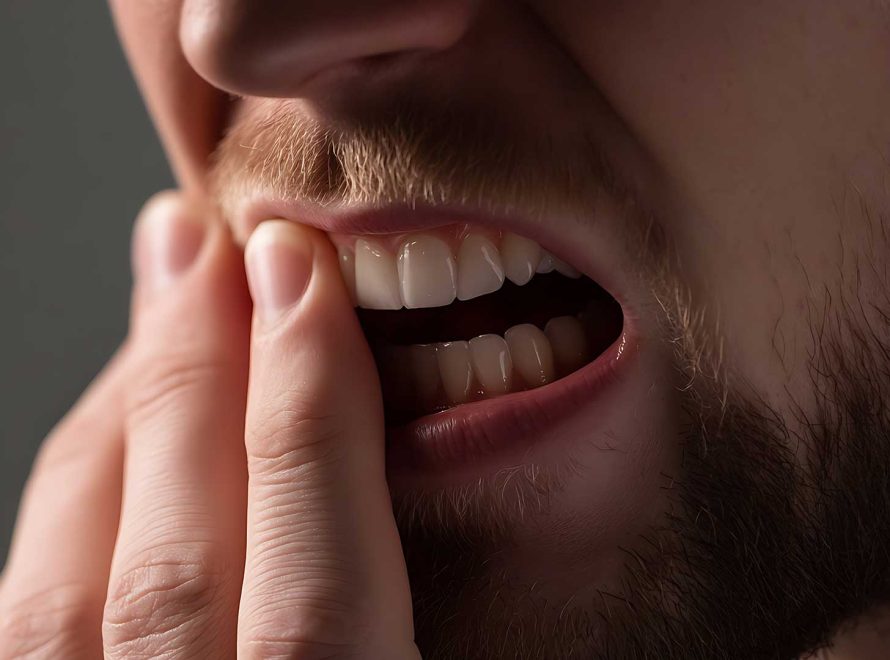
Seeing a little pink in the sink after brushing or flossing can be easy to dismiss. However, frequent Bleeding Gums in Miami may be a sign that the gum tissue needs attention. At Dental Blush, we encourage patients to notice patterns such as repeated bleeding, swelling, tenderness, persistent bad breath, or changes along the gumline.
Bleeding does not have one single cause. Plaque-related inflammation is common, but brushing technique, periodontal disease, medications, certain health conditions, hormonal changes, and other factors may also contribute.
The important question is not simply whether the gums bled once. It is whether the bleeding keeps returning, whether other symptoms appear with it, and what the gums look like during a dental examination.
Why Do Gums Bleed?
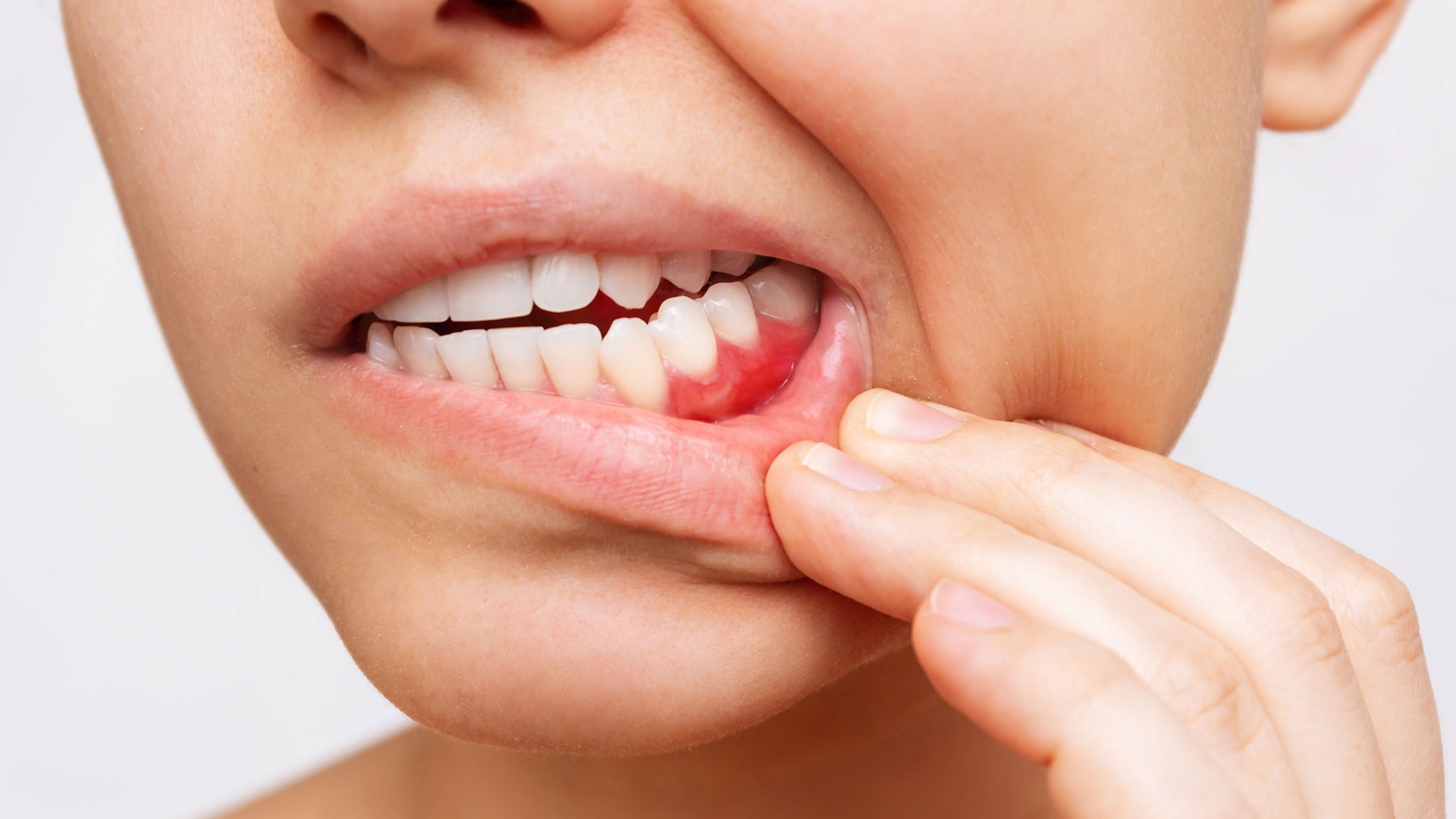
Plaque accumulation along the gumline can irritate the surrounding tissue and contribute to inflammation. Inflamed gums may become red, swollen, tender, or more likely to bleed during brushing or cleaning between the teeth.
Gingivitis is one common explanation, but it is not the only one. Understanding the different reasons gums bleed can help you recognize when a temporary irritation may need a closer look.
The National Institute of Dental and Craniofacial Research provides additional information about gum disease, symptoms, diagnosis, and treatment.
Common Reasons Gums Bleed
Gingivitis and Plaque Buildup
Gingivitis is an early form of gum disease associated with inflammation of the gum tissue. Plaque around the teeth and gumline can contribute to redness, swelling, and bleeding.
Unlike periodontitis, gingivitis does not involve the same irreversible loss of supporting bone. With appropriate professional care and consistent oral hygiene, gingivitis can improve.
Tartar Around the Gumline
Plaque that remains on the teeth can harden into tartar. Once that happens, regular brushing cannot remove the hardened deposit.
Tartar can create areas where plaque continues to accumulate and may contribute to ongoing gum irritation. Professional dental cleaning removes deposits that home brushing cannot remove after they harden.
Brushing Too Aggressively
More pressure does not necessarily clean teeth better. Aggressive brushing can irritate or injure gum tissue, especially when combined with a firm toothbrush or repeated scrubbing along the gumline.
A soft-bristled toothbrush and careful technique can clean effectively without intentionally forcing the bristles into the gums.
Changes in Interdental Cleaning
Gums that already have inflammation may bleed when you begin cleaning between the teeth more consistently. That does not necessarily mean that flossing caused the underlying problem.
Use a gentle technique and avoid snapping floss forcefully into the gums. If bleeding continues despite consistent home care, a dental evaluation can help identify the cause.
Medications and Health Factors
Certain medications and health conditions can affect oral tissues or make bleeding more noticeable. Diabetes, hormonal changes, tobacco use, and other health factors can also influence gum health.
Tell your dental team about your medications and relevant medical history. Do not stop or change a prescribed medication because of gum bleeding without first speaking with the healthcare professional who prescribed it.
When Bleeding Gums in Miami May Be a Sign of Gingivitis
Gingivitis may cause gums to appear red or swollen and to bleed more easily during brushing or interdental cleaning.
The symptoms can remain relatively mild, and pain does not always develop early. That is one reason people sometimes ignore the condition.
Repeated Bleeding Gums in Miami, especially with visible inflammation, can provide a reason to have the gum tissue evaluated rather than simply waiting for pain to appear.
Gingivitis and Periodontitis Are Not the Same
Gingivitis involves inflammation of the gums. Periodontitis affects deeper supporting structures around the teeth and can involve periodontal pocketing and bone loss.
This distinction matters because a routine preventive cleaning and periodontal treatment do not address the same clinical condition.
Signs such as gum recession, loose or shifting teeth, persistent bad breath, deeper periodontal pockets, or changes in bone support may require a more detailed periodontal evaluation.
Our periodontal care information explains gum disease evaluation and periodontal treatment in greater detail.
Should You Stop Flossing If Your Gums Bleed?
Not automatically. Stopping interdental cleaning can allow plaque to remain between teeth and along areas that a toothbrush may not reach effectively.
The better approach is usually to use a gentle technique and pay attention to whether the bleeding improves or continues.
Persistent bleeding, significant discomfort, swelling, or other changes deserve evaluation. A dental professional can also show you alternative ways to clean between the teeth if traditional floss does not work well for you.
Can Bleeding Gums Cause Bad Breath?
Bleeding itself is not the only issue to consider. Plaque accumulation and gum inflammation can occur alongside persistent bad breath.
Bad breath also has many other possible causes, so the presence of odor does not confirm periodontal disease by itself.
When bleeding and persistent bad breath occur together, an examination can help determine whether the gums, teeth, dry mouth, or another issue may contribute.
Can Bleeding Gums Happen Without Pain?
Yes. Gum inflammation does not always hurt, particularly in its earlier stages.
Someone may notice blood during brushing or flossing while otherwise feeling completely normal. Periodontal disease can also become more advanced before obvious discomfort appears.
For that reason, pain should not be the only factor you use to decide whether recurring Bleeding Gums in Miami deserve attention.
What Can You Do at Home?
Consistent daily oral hygiene helps control plaque and supports healthier gum tissue.
Helpful habits include:
- Brush twice daily with fluoride toothpaste
- Use a soft-bristled toothbrush
- Clean between the teeth regularly using an appropriate method
- Avoid forceful brushing or snapping floss into the gums
- Avoid tobacco products
- Pay attention when bleeding continues instead of repeatedly ignoring it
Different interdental cleaning tools work better for different people. Floss, interdental brushes, oral irrigators, and other options can help clean areas between the teeth. The most useful method is one that you can use consistently and correctly.
When a Professional Cleaning May Help
Home care removes plaque, but it cannot remove tartar once plaque has hardened onto the teeth.
A professional cleaning can remove plaque and tartar and gives the dental team an opportunity to evaluate the condition of the gums.
Not every person with bleeding gums needs exactly the same type of cleaning. If periodontal disease has progressed beyond gingivitis, a routine preventive cleaning may not address the deeper areas that require periodontal treatment.
Our professional teeth cleaning information explains the difference between preventive cleaning and situations that may require additional periodontal evaluation.
How a Dentist Evaluates Bleeding Gums in Miami
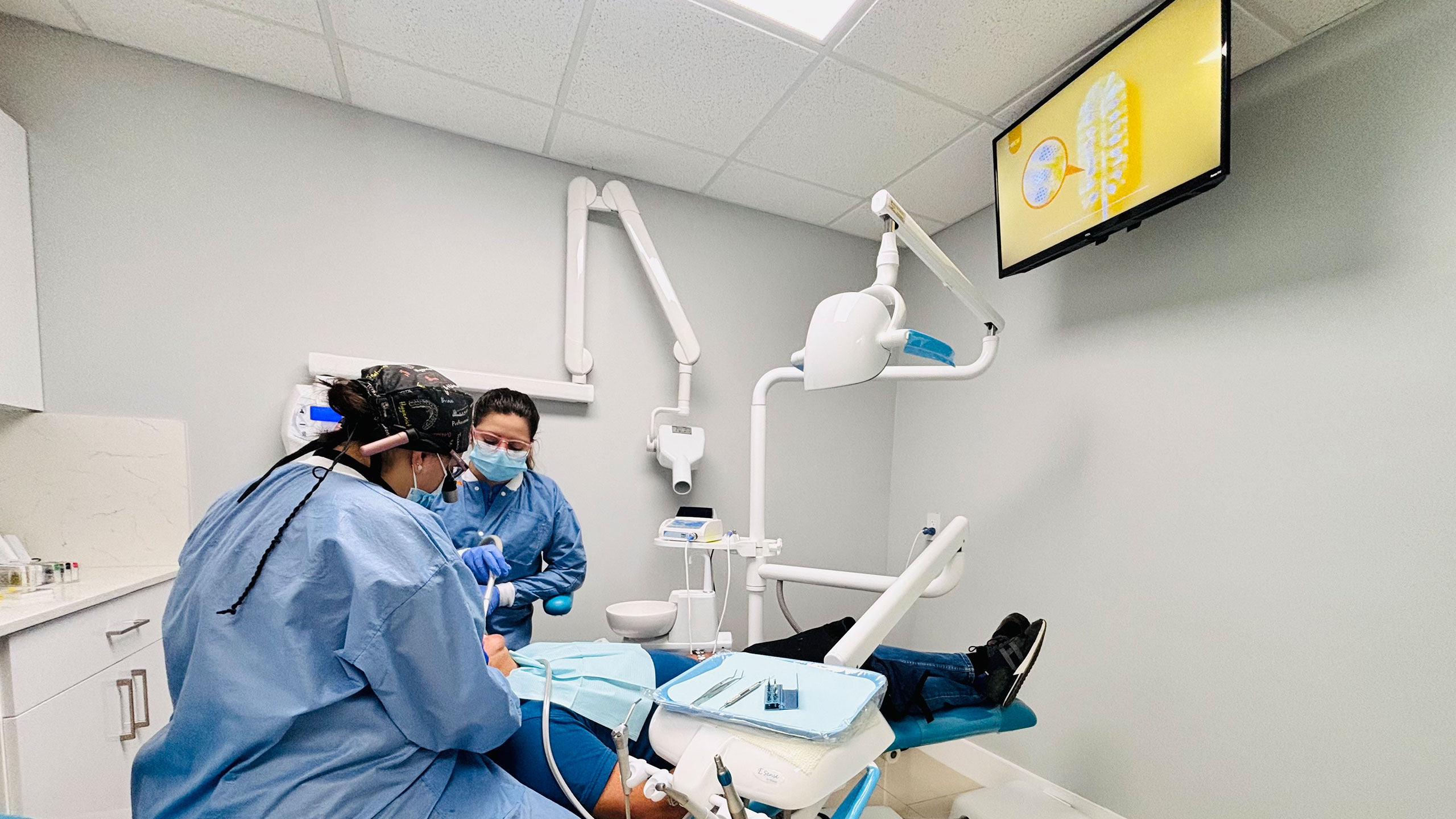
The dentist or dental hygienist can look for inflammation, bleeding, recession, plaque and tartar accumulation, and other changes around the gumline.
When appropriate, the evaluation may also include measuring the spaces around the teeth with a periodontal probe. These measurements help the dental team understand the condition of the supporting tissues.
Dental radiographs may provide additional information when the dentist needs to evaluate bone levels or another concern that the clinical examination cannot fully show.
The goal is to identify the cause before recommending treatment rather than assuming that all gum bleeding comes from the same problem.
Questions About Bleeding Gums in Miami?
It is not always easy to know whether bleeding is related to brushing technique, plaque buildup, a change in your cleaning routine, or another issue.
If you have a question before deciding what to do next, you can contact Dental Blush. Our team is happy to listen to what you have been noticing and help you understand how to arrange an appropriate dental evaluation if needed.
When Bleeding Gums in Miami Need Faster Attention
Occasional mild bleeding and significant spontaneous bleeding are not the same situation.
Contact a dental professional promptly when bleeding becomes frequent or substantial, or when it occurs with significant swelling, pus or drainage, increasing pain, loose teeth, fever, or other concerning changes.
Bleeding that will not slow or stop, significant facial swelling, difficulty swallowing or breathing, or another severe symptom requires more urgent evaluation.
For significant dental pain, swelling, infection concerns, or another urgent dental problem, review our emergency dental care information.
Bleeding Gums and Everyday Oral Hygiene
The healthiest approach is usually not a single product or one unusually aggressive cleaning session. Consistent brushing, cleaning between the teeth, professional preventive care, and attention to changes in the gums work together.
If you want more practical information about daily brushing and interdental care, our Oral Hygiene in Miami guide covers those habits in more detail.
Frequently Asked Questions About Bleeding Gums in Miami
Is It Normal for Gums to Bleed When Brushing?
Frequent gum bleeding should not simply be considered normal. Plaque-related inflammation is one common cause, but brushing technique, periodontal disease, medications, and other factors may also contribute.
Recurring Bleeding Gums in Miami deserve a closer look when the problem continues despite consistent and gentle oral hygiene.
What Are Common Reasons Gums Bleed?
Plaque-related gum inflammation is a common explanation. Gingivitis can cause redness, swelling, tenderness, and bleeding around the gumline.
However, there are several possible reasons gums bleed, so persistent symptoms should be considered together with the condition of the gums and other findings.
Can Bleeding Gums in Miami Be a Sign of Gum Disease?
Yes. Bleeding can occur with gingivitis and periodontitis, although bleeding alone does not tell you how advanced the condition may be.
An examination can help determine whether Bleeding Gums in Miami are related to gum disease or another contributing factor.
Should I Stop Flossing If My Gums Bleed?
Not automatically. Clean gently between your teeth and avoid injuring the gum tissue.
If bleeding remains persistent despite consistent care, have the gums evaluated rather than simply avoiding the area.
Can Brushing Too Hard Make Gums Bleed?
Yes. Aggressive brushing can irritate gum tissue. Using a soft-bristled toothbrush and controlled pressure can help avoid unnecessary trauma.
Can Medications Contribute to Gum Bleeding?
Some medications can affect bleeding or oral tissues. Tell your dentist about all medications you take, and speak with the prescribing healthcare professional before making any changes.
What Is the Difference Between Gingivitis and Periodontitis?
Gingivitis affects the gums and can improve with appropriate oral hygiene and professional care. Periodontitis involves deeper supporting tissues and bone loss and requires professional management.
When Should I See a Dentist About Bleeding Gums?
Consider an evaluation when bleeding keeps returning, becomes heavier, or occurs with swelling, persistent bad breath, gum recession, pain, drainage, loose teeth, or other changes.
Persistent Bleeding Gums in Miami are worth evaluating even when there is little or no pain.
Dental Blush in Miami
Dental Blush is located at 12260 SW 8th St, Suite 226, Miami, FL 33184, inside InterPlaza Shopping Center in the Tamiami area.
For directions, open our Dental Blush location on Google Maps.
Still Wondering Why Your Gums Are Bleeding?
If you continue noticing Bleeding Gums in Miami, an examination can help determine whether plaque, gingivitis, periodontal disease, brushing habits, or another factor may be contributing.
If you would like to speak with our team about what you have been noticing, call (305) 553-0666. We are happy to answer your questions in English or Spanish.
When you feel ready to have your gums evaluated, you can request your visit through our Appointment Today page.