
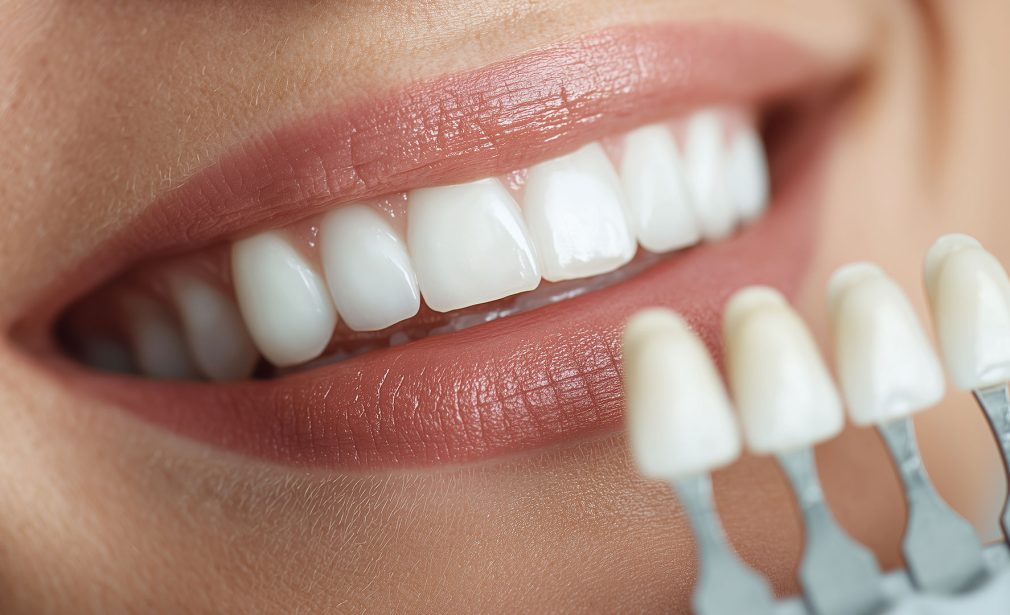
Dental Veneers in Cape Coral for Natural-Looking Smile Changes
Dental Veneers in Cape Coral may be an option for patients who would like to improve selected concerns involving tooth color, shape, small chips, worn edges, spacing, or uneven proportions. At Dental Blush, our approach starts with understanding what you would like to change and evaluating whether veneers make sense for your teeth, gums, bite, and overall dental health.
Cosmetic treatment does not have to make every tooth look identical. The goal is to understand your concerns, explain the available options, and plan changes that complement your natural smile rather than create an appearance that feels out of place.
If you have questions about porcelain veneers, composite veneers, treatment costs, or whether another cosmetic option may be more appropriate, our team is happy to help at (239) 573-4848.
If you feel ready to request a cosmetic evaluation, you can use our Appointment Today page. Our team can review your request and help determine the appropriate type of visit.
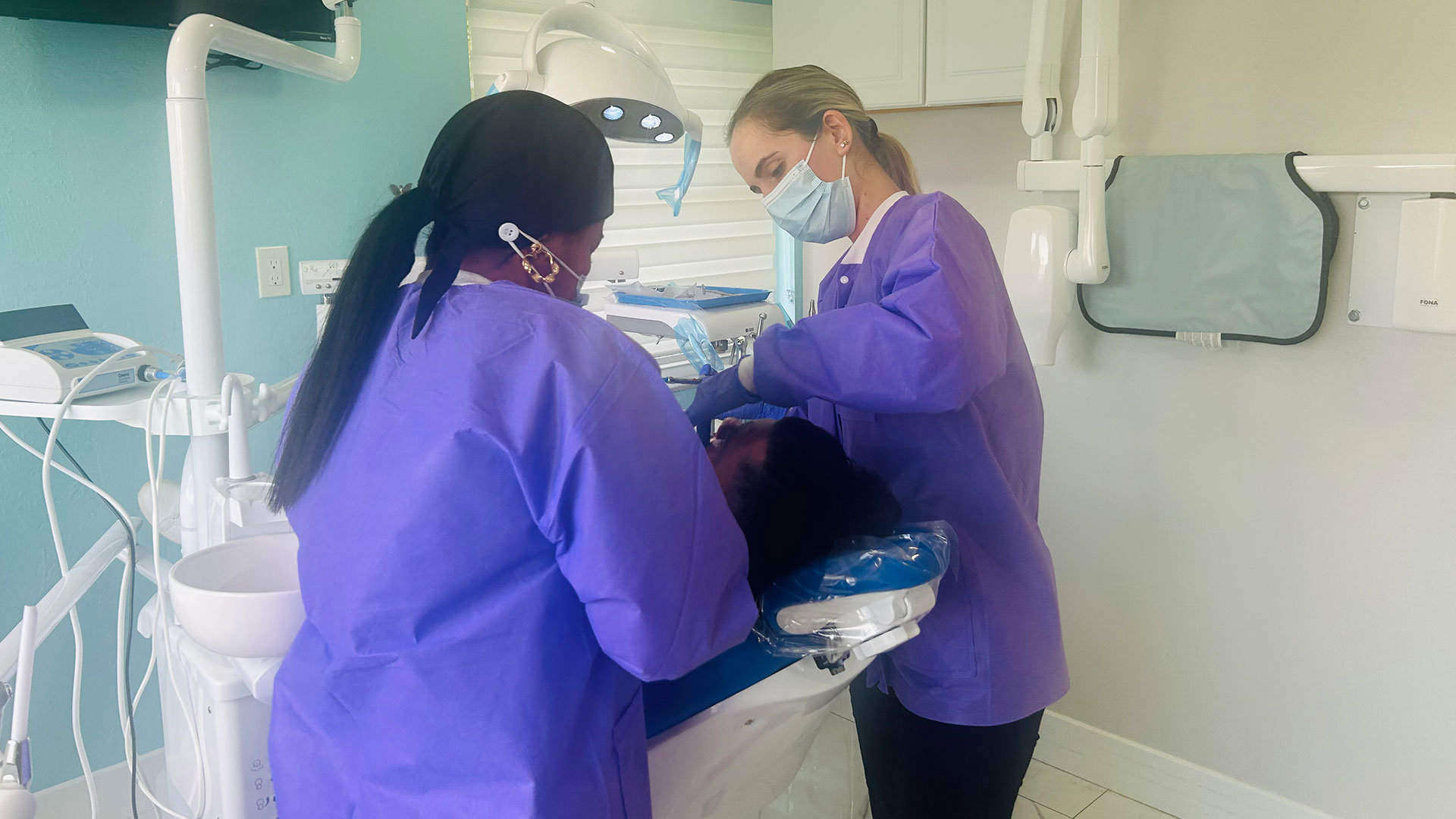
What Are Dental Veneers?
Dental veneers are thin restorations that cover the visible front surface of selected teeth. A dentist may consider them when a patient wants to change certain aspects of a tooth’s color, shape, proportion, spacing, or surface appearance.
Veneers can address several cosmetic concerns at the same time, but they are not automatically the best choice for every smile. Before recommending treatment, the dentist evaluates the teeth, gums, enamel, bite, existing restorations, and the specific changes the patient would like to make.
Patients who want additional general information about this treatment can also review the American Dental Association’s information about veneers.
Porcelain Veneers and Composite Veneers
Porcelain and composite resin provide two different approaches to veneer treatment. Each has advantages and limitations, so the better choice depends on the teeth being treated, the desired change, preparation requirements, maintenance, and budget.
Porcelain Veneers
Porcelain veneers are custom restorations that a dental laboratory typically creates for the selected teeth. The dentist plans their shade, size, shape, and proportions according to the surrounding teeth and cosmetic goals.
Porcelain offers good stain resistance and can reproduce some of the light-reflecting qualities of natural enamel. The amount of tooth preparation varies according to the clinical situation and the type of restoration being planned.
Composite Veneers
Composite veneers use tooth-colored resin that the dentist shapes and bonds to the tooth. In selected cases, composite may require less alteration of the natural tooth and can provide a conservative way to address smaller cosmetic concerns.
Composite and porcelain behave differently over time. Composite may require more polishing, repair, or maintenance, while porcelain involves a different preparation and laboratory process. The dentist can explain these differences before treatment begins.
Who May Consider Dental Veneers in Cape Coral?
A cosmetic consultation can help determine whether veneers fit the concern you want to address. They may be considered for selected teeth with cosmetic issues such as:
- Stains or discoloration that do not respond as desired to whitening
- Small chips or worn tooth edges
- Minor spaces between visible teeth
- Uneven tooth shape or proportions
- Teeth that appear shorter or narrower than surrounding teeth
- Older cosmetic bonding that no longer blends well with the smile
- Selected surface or shape concerns involving visible teeth
The dentist also checks for cavities, gum inflammation, weakened tooth structure, enamel limitations, grinding, and bite concerns before recommending cosmetic treatment.
When Veneers May Not Be the Right Choice
Veneers do not solve every cosmetic or structural dental problem. Sometimes another treatment can preserve more natural tooth structure, provide additional protection, or address the concern more directly.
For example, a tooth with significant structural damage may need more protection than a front-surface veneer can provide. In that situation, the dentist may discuss a dental crown or another restorative approach.
Active decay, gum problems, significant grinding, or other dental concerns may also need attention before elective cosmetic treatment begins.
Veneers, Teeth Whitening, or Cosmetic Bonding?
Patients often come to a cosmetic consultation knowing what they would like to change but not which treatment will accomplish it. That is completely reasonable.
Professional teeth whitening focuses primarily on changing the shade of natural enamel. It does not change tooth shape, repair a chipped edge, or close a visible space.
Cosmetic bonding uses tooth-colored resin to change smaller areas of a tooth. Depending on the concern, bonding may provide a more conservative alternative to a porcelain restoration.
Veneers can address color and shape at the same time, but they involve different treatment considerations. Our cosmetic dentistry page provides a broader overview of available cosmetic options.
Veneers as Part of a Smile Design
Sometimes a patient wants to improve more than one aspect of the smile. In those situations, the dentist may consider veneers as one part of a broader cosmetic plan rather than treating each tooth without considering the surrounding smile.
Smile planning may consider:
- Tooth color
- Visible tooth proportions
- Small spaces or asymmetry
- Shape and length of visible teeth
- The appearance of existing restorations
- Gumline and surrounding tissues
- How the teeth appear while smiling and speaking
Patients considering several cosmetic changes can learn more about our dental smile design approach.
What to Expect With Dental Veneers in Cape Coral
The exact veneer process depends on the material, number of teeth involved, current condition of the teeth, and amount of preparation required.
A typical treatment plan may include:
- Smile evaluation: The dentist examines the teeth, enamel, gums, bite, and existing dental work.
- Conversation about your goals: You explain what you would like to change and what you hope to keep natural about your smile.
- Comparison of options: The dentist can explain whether porcelain, composite, bonding, whitening, crowns, or another approach makes sense.
- Shade and shape planning: The dentist considers color, proportions, surrounding teeth, and visible smile characteristics.
- Tooth preparation when needed: The amount depends on the selected veneer and clinical situation.
- Veneer placement: The dentist checks appearance, fit, bite, and comfort before completing the bonding process.
- Follow-up care: The team explains how to care for the veneers and what changes should prompt another evaluation.
Porcelain veneers commonly involve a laboratory step, while composite treatment follows a different process because the dentist works directly with tooth-colored resin. Your dentist can explain the sequence that applies to your individual treatment plan.
Understanding Tooth Preparation Before Veneers
One of the most important parts of a veneer consultation is understanding what will happen to the natural tooth.
Some veneer treatments require the dentist to remove a small amount of enamel to create space for the restoration and establish the proper fit. The amount varies according to the material, tooth position, enamel, desired change, and treatment design.
Because preparation can permanently alter the natural tooth, patients should understand the proposed treatment before deciding to proceed. Asking why a particular type of veneer is recommended is an important part of the consultation.
Will Dental Veneers Look Natural?
A natural-looking cosmetic result depends on more than selecting a bright shade. Tooth proportions, surface characteristics, surrounding teeth, gumline, bite, and the way the smile fits the face all matter.
Some patients want a noticeable cosmetic change, while others prefer something subtle. Discussing those preferences before treatment helps the dentist understand what type of result you are looking for.
No cosmetic treatment can guarantee a particular appearance or outcome. Careful evaluation and communication help create a treatment plan based on realistic expectations and the clinical condition of the teeth.
How Long Can Veneers Last?
There is no single lifespan that applies to every veneer. Material, tooth condition, bite forces, grinding habits, oral hygiene, diet, and ongoing dental care all influence how a restoration performs over time.
Porcelain and composite also have different maintenance characteristics. Composite resin may need polishing or repair over time, while porcelain can still chip, loosen, or require replacement depending on use and other dental factors.
Routine examinations and professional teeth cleanings help the dental team monitor the teeth, gums, and surrounding restorations.
How to Care for Porcelain and Composite Veneers
Veneers still depend on healthy teeth and gums. A consistent oral hygiene routine remains important after cosmetic treatment.
- Brush regularly: Clean the teeth carefully with appropriate dental products.
- Clean between the teeth: Daily interdental cleaning helps protect the gums and areas around restorations.
- Avoid using teeth as tools: Do not use veneered teeth to open packages or bite hard objects.
- Discuss grinding or clenching: Repeated bite forces can place additional stress on natural teeth and restorations.
- Attend routine dental visits: Regular examinations allow the dentist to monitor the veneers and surrounding oral health.
If a veneer feels loose, rough, uncomfortable, or different when you bite, contact the dental office so the area can be evaluated.
Cost, Insurance, and Financing for Veneers
The cost of veneer treatment depends on several factors, including the material selected, number of teeth involved, current tooth condition, treatment complexity, and whether additional dental care is needed before cosmetic treatment begins.
Many insurance plans limit or exclude benefits for procedures performed solely for cosmetic reasons. Coverage varies by policy, so the actual benefit depends on the patient’s individual plan and the services involved.
Our team can help review available insurance information when applicable and explain estimated treatment costs before moving forward whenever possible.
If additional payment flexibility would be helpful, patients can review our dental financing options. Financing approval and available terms depend on the financing provider and individual eligibility.
Veneer Consultations Near Del Prado Blvd S
Dental Blush is located at 1227 Del Prado Blvd S, Suite 106, Cape Coral, FL 33990. Our office is convenient for patients throughout Cape Coral, including areas near Caloosahatchee, Hancock, Pelican, and nearby communities.
We provide assistance in English and Spanish. Patients can discuss cosmetic concerns, treatment options, estimated costs, insurance information, and financing in the language they feel more comfortable using.
You can view our Cape Coral office on Google Maps for directions.
Frequently Asked Questions About Veneers
Are porcelain veneers better than composite veneers?
Neither option is automatically better for every patient. Porcelain and composite differ in preparation, maintenance, stain resistance, repair options, cost, and other characteristics. The better choice depends on the teeth involved and what you would like to change.
Do veneers require removing natural enamel?
Some veneer treatments require enamel preparation. The amount varies according to the tooth, material, position, and treatment plan. Your dentist should explain what preparation is necessary before treatment begins.
Can veneers improve stained or chipped teeth?
Veneers may improve selected discoloration, small chips, worn edges, uneven proportions, or other visible cosmetic concerns. The dentist must evaluate the tooth first to determine whether a veneer or another treatment makes more sense.
How much do Dental Veneers in Cape Coral cost?
Cost varies according to the material, number of teeth, treatment complexity, current dental condition, and any additional care that may be needed. A cosmetic evaluation allows the team to provide information based on the actual treatment being considered.
Can I whiten veneers later?
Whitening products affect natural tooth structure differently from restorative materials. If you are considering both whitening and veneers, discussing the desired shade before veneer treatment can help the dentist plan the sequence appropriately.
How do I know whether veneers are right for me?
A dental evaluation is the best starting point. The dentist can look at the concern you want to change and compare veneers with other reasonable options before you make a decision.
Questions About Cosmetic Veneer Treatment?
If you are considering Dental Veneers in Cape Coral, our team can help you understand the differences between porcelain and composite veneers and compare them with other cosmetic options based on your teeth and goals.
If you still have a general question before deciding whether to request a consultation, you can send our team a message through the Contact Us page.
Dental Blush
1227 Del Prado Blvd S, Suite 106
Cape Coral, FL 33990
Phone: (239) 573-4848
Monday-Friday: 8:00 AM-5:00 PM
Saturday: Closed
Sunday: Closed