
Root Canal in Cape Coral for Tooth Pain or Infection
Root Canal in Cape Coral treatment at Dental Blush may help preserve a natural tooth when inflammation or infection affects the dental pulp inside it. Persistent tooth pain, lingering sensitivity, discomfort when biting, or swelling can all be reasons to have the area evaluated.
Not every toothache needs root canal treatment. Several dental problems can cause similar symptoms, so the first step is identifying what is happening inside and around the tooth before deciding on treatment.
If you are dealing with tooth pain, sensitivity, swelling, or concern about an infected tooth, our team is happy to help at (239) 573-4848. Same-day evaluation may be available depending on your clinical needs and the current schedule.
If you prefer to request a visit online, you can use our Appointment Today page. Our team can review your request and help determine the appropriate type of visit.
What Is Root Canal Treatment?
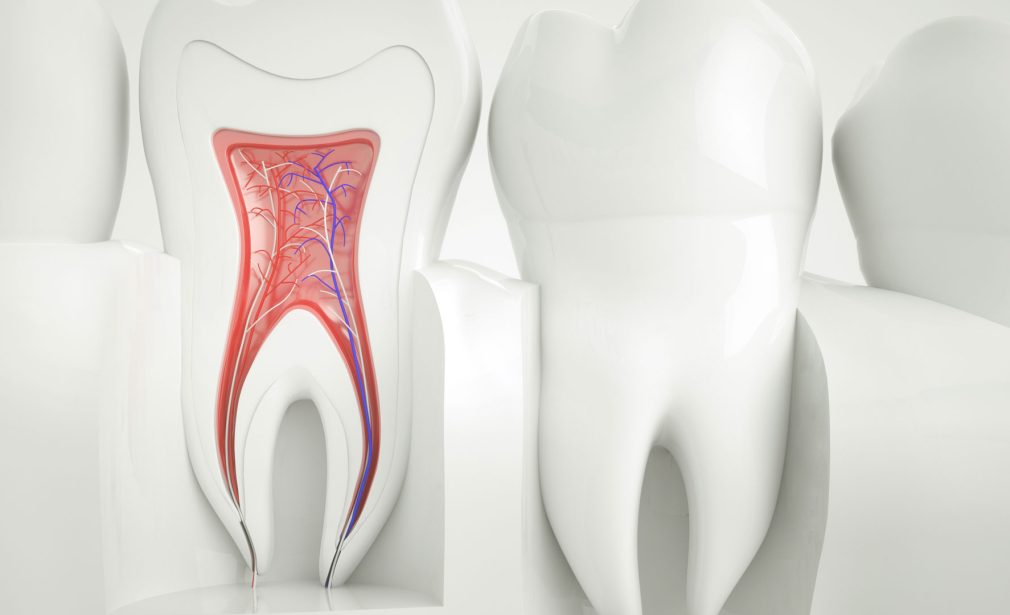
Inside each natural tooth is a space containing dental pulp, which includes nerves, blood vessels, and connective tissue. Deep decay, a crack, trauma, or other damage can cause inflammation or infection within this tissue.
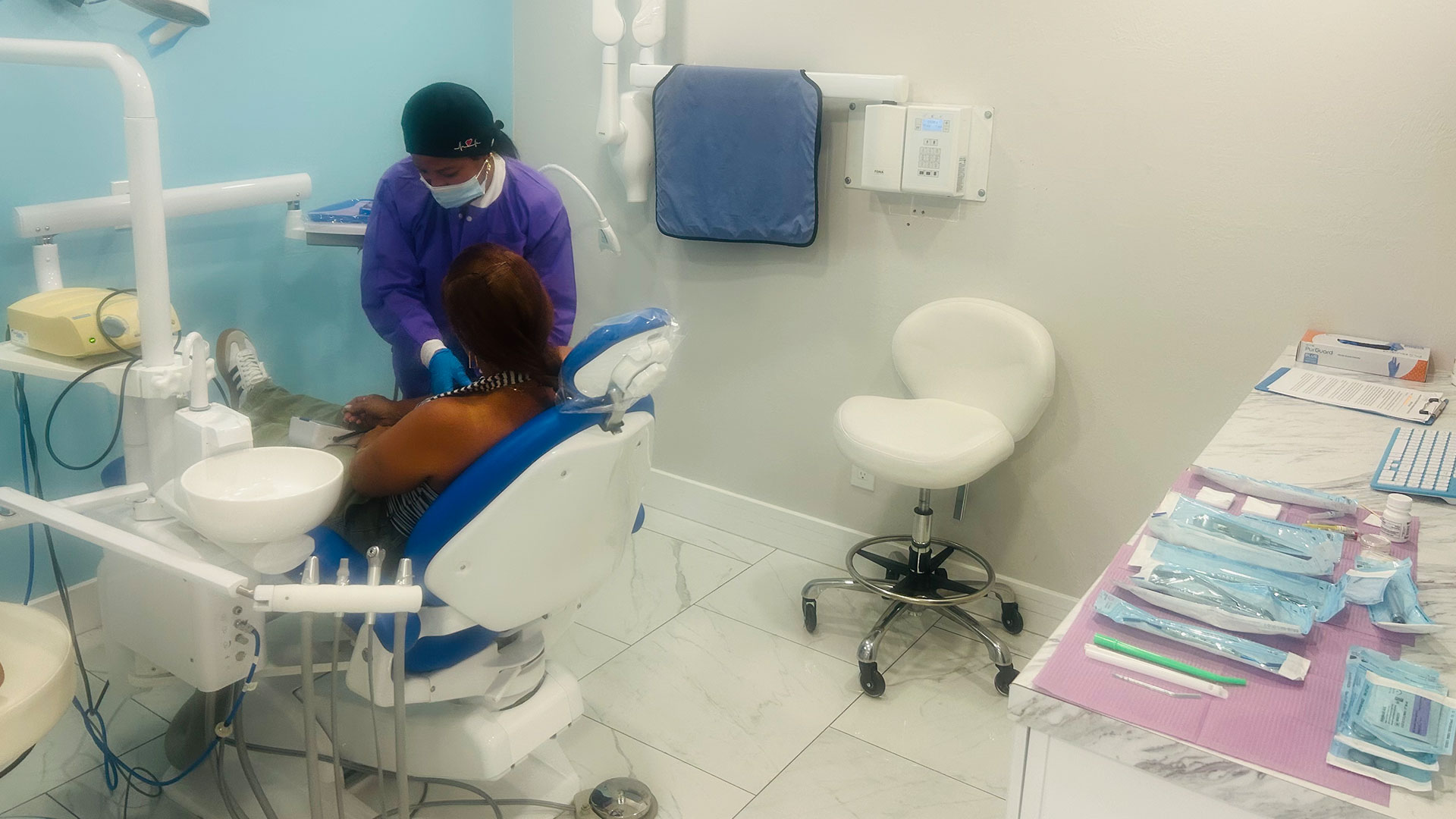
During treatment, the dentist removes affected pulp tissue, cleans and prepares the canal system, and seals the space. The tooth then needs an appropriate restoration to protect the remaining structure.
The goal is to address the problem inside the tooth while preserving the natural tooth when the remaining structure can support an appropriate restoration.
Patients who would like additional educational information can review the American Dental Association’s information about root canal treatment.
Signs You May Need a Root Canal in Cape Coral
Symptoms alone cannot confirm whether root canal treatment is necessary. However, a dentist should evaluate certain changes, particularly when they persist or become worse.
Possible signs include:
- Persistent tooth pain: discomfort continues, returns repeatedly, or interferes with normal activities.
- Lingering sensitivity: sensitivity to hot or cold lasts after the temperature stimulus is gone.
- Pain when biting or chewing: pressure on a particular tooth causes noticeable discomfort.
- Swelling or tenderness: the gum or tissues near the tooth become swollen or uncomfortable.
- A small bump on the gum: an area near the affected tooth may develop drainage or swelling.
- A cracked or damaged tooth: fractures can allow bacteria to reach the inner portion of the tooth.
- Color changes after trauma: a tooth may darken following an injury or internal damage.
A dental examination and appropriate diagnostic imaging help determine whether the symptoms come from the pulp, surrounding tissues, another tooth, or a different dental condition.
Emergency Root Canal Cape Coral: When Pain Needs Prompt Care
Severe tooth pain, increasing swelling, significant pain when biting, or symptoms associated with a dental infection may require a prompt evaluation. An urgent visit does not automatically mean that root canal treatment will be necessary.
The dentist first needs to identify the source of the problem and determine whether treatment can preserve the tooth. Depending on the findings, the dentist may recommend root canal therapy, another restorative procedure, extraction, or referral when appropriate.
If you are experiencing an urgent dental problem, our Emergency Dentist in Cape Coral page explains common dental emergencies and same-day availability when the schedule permits.
Rapidly increasing facial swelling, difficulty breathing or swallowing, severe uncontrolled bleeding, or another life-threatening medical concern requires immediate medical attention.
Why Saving a Natural Tooth May Matter
When treatment can restore a tooth predictably, preserving the natural tooth may help maintain chewing function, bite relationships, and the natural arrangement of neighboring teeth.
Root canal treatment offers one possible way to preserve a tooth when inflammation or infection affects the pulp. The dentist also considers the amount of remaining healthy structure, fractures, gum and bone support, and the ability to complete an appropriate final restoration.
If available treatment cannot restore the tooth predictably, the dentist can explain why another option may provide a better long-term result.
Dental Imaging for Root Canal Evaluation
Diagnostic radiographs can provide information about the tooth roots, surrounding bone, previous dental work, and changes that may not be visible during a clinical examination.
The dentist determines which images are appropriate based on the tooth, symptoms, previous records, and clinical findings.
You can learn more about diagnostic imaging on our Dental Radiographs in Cape Coral page.
What to Expect With a Root Canal in Cape Coral
The exact procedure depends on the affected tooth, canal anatomy, existing restorations, and clinical condition. Treatment commonly involves several steps:
- Examination: the dentist reviews symptoms and evaluates the affected tooth and surrounding tissues.
- Diagnostic imaging: appropriate radiographs may help the dentist identify changes around the tooth and its roots.
- Local anesthesia: the dentist numbs the treatment area before the procedure begins.
- Accessing the pulp space: the dentist creates an opening to reach the internal canal system.
- Cleaning and shaping: the dentist removes affected tissue, then cleans and prepares the canals.
- Filling and sealing: the dentist fills and seals the prepared canal system.
- Restoring the tooth: the dentist may recommend a filling, crown, or another restoration to protect the remaining tooth structure.
The number of visits and specific steps can vary according to the tooth and treatment needs.
Does Root Canal Treatment Hurt?
One of the most common concerns about root canal treatment is discomfort. The dentist uses local anesthesia to numb the affected tooth and surrounding tissues during the procedure.
Patients may notice pressure or movement during treatment. Afterward, the tooth and surrounding tissues can feel temporarily tender, particularly if pain or inflammation was present before the procedure.
Temporary sensitivity or soreness can occur after treatment and should generally improve during recovery. Contact the office if pain becomes severe, swelling increases, or another symptom concerns you.
Do You Need a Dental Crown After a Root Canal?
Root canal therapy treats the inside of the tooth, but the remaining tooth structure still needs adequate protection afterward.
Some teeth, particularly those that have lost substantial structure from decay, fractures, or previous restorations, may benefit from a dental crown. Other teeth may require a different type of final restoration.
The dentist considers tooth location, remaining structure, bite forces, and other clinical factors before making a recommendation.
You can learn more about restorative protection on our Dental Crowns in Cape Coral page.
Choosing Between Root Canal Treatment and Tooth Extraction
These treatments address two very different situations. Root canal therapy attempts to preserve the natural tooth, while extraction removes it.
When enough healthy tooth structure remains and the tooth has an acceptable restorative outlook, preserving it may be possible. Extraction may make more sense when damage, fractures, loss of support, or another problem prevents predictable restoration.
If the dentist is considering removal, our Tooth Extraction in Cape Coral page explains when extraction may become necessary and what patients can expect.
Recovery After Root Canal Treatment
Recovery varies by patient and tooth. Temporary tenderness can occur after treatment, especially if the tooth was painful or infected beforehand.
General instructions may include:
- Follow medication instructions: use medications only as directed by your dental or medical provider.
- Protect the treated tooth: avoid placing unnecessary chewing pressure on a tooth that still needs its final restoration.
- Maintain oral hygiene: continue brushing and cleaning between teeth according to the instructions provided.
- Complete restorative treatment: return for the recommended final restoration when the tooth needs additional care.
- Watch for unexpected changes: contact the office if pain, swelling, or another symptom worsens.
Completing the recommended restoration helps protect the tooth after root canal treatment.
Root Canal Cost, Insurance, and Financing
Root canal treatment costs vary according to the affected tooth, complexity of its canal system, diagnostic needs, existing dental work, and the type of final restoration needed.
PPO dental insurance or Medicare Advantage dental benefits may help with eligible examinations, diagnostic imaging, root canal treatment, or restorative care depending on the individual plan.
Deductibles, annual maximums, waiting periods, network requirements, exclusions, coverage percentages, and patient responsibility can vary. Our team can review available plan information and discuss estimated costs whenever possible.
For patients who want additional payment flexibility, our Dental Financing Cape Coral page explains third-party financing options available to qualifying applicants.
Root Canal Care Near Del Prado Blvd S
You can find Dental Blush at 1227 Del Prado Blvd S, Suite 106, Cape Coral, FL 33990, conveniently located on Del Prado Blvd S in Cape Coral.
Patients looking locally for help with tooth pain, sensitivity, swelling, or a possible dental infection can speak with our team about evaluation, treatment options, insurance information, and estimated costs.
We speak English and Spanish. Hablamos inglés y español.
You can view our Cape Coral office on Google Maps for directions.
Frequently Asked Questions About Root Canal Treatment
How do I know whether I need root canal treatment?
Persistent pain, lingering temperature sensitivity, pain while biting, swelling, a cracked tooth, or other changes may indicate a problem involving the dental pulp. A dental examination helps identify the cause because other dental conditions can produce similar symptoms.
How long does root canal treatment take?
Treatment time depends on the tooth, canal anatomy, infection or inflammation, existing dental work, and overall complexity. Some cases may require more than one visit.
How much does a Root Canal in Cape Coral cost?
Cost varies according to the tooth, complexity of treatment, diagnostic needs, insurance benefits, and the restoration required afterward. An evaluation allows the team to provide information based on the actual treatment plan.
Can an emergency root canal be done the same day?
Same-day urgent evaluation may be available depending on clinical needs and the current schedule. Whether the dentist can begin or complete root canal treatment that day depends on the diagnosis, tooth involved, treatment complexity, and available clinical time.
Is a crown always needed afterward?
No single restorative plan applies to every tooth. The dentist evaluates the remaining structure, location, bite forces, and other factors before recommending a crown, filling, or another restoration.
Can root canal treatment save an infected tooth?
Root canal therapy may help preserve an inflamed or infected tooth when the remaining structure and supporting tissues can support an appropriate restoration. When the tooth has extensive damage or a poor restorative outlook, the dentist may recommend another treatment.
Do you provide assistance in Spanish?
Yes. Our Cape Coral team provides assistance in English and Spanish for symptoms, appointments, treatment information, insurance, estimated costs, financing, and aftercare questions.
Questions About Root Canal in Cape Coral?
If tooth pain, lingering sensitivity, swelling, or another concern makes you wonder whether root canal treatment may be necessary, our team can help you understand the appropriate next step after an evaluation.
If writing is more convenient for a general question, you can send our team a message through the Contact Us page.
Dental Blush
1227 Del Prado Blvd S, Suite 106
Cape Coral, FL 33990
Phone: (239) 573-4848
Monday-Friday: 8:00 AM-5:00 PM
Saturday: Closed
Sunday: Closed
Humana Dental Insurance


Aetna Dental Insurance


Cigna Dental Insurance


Blue Cross Blue Shield Dental Insurance


Ameritas Dental Insurance


UnitedHealthcare Dental Insurance