
Dental Crowns in Cape Coral for Damaged or Weakened Teeth
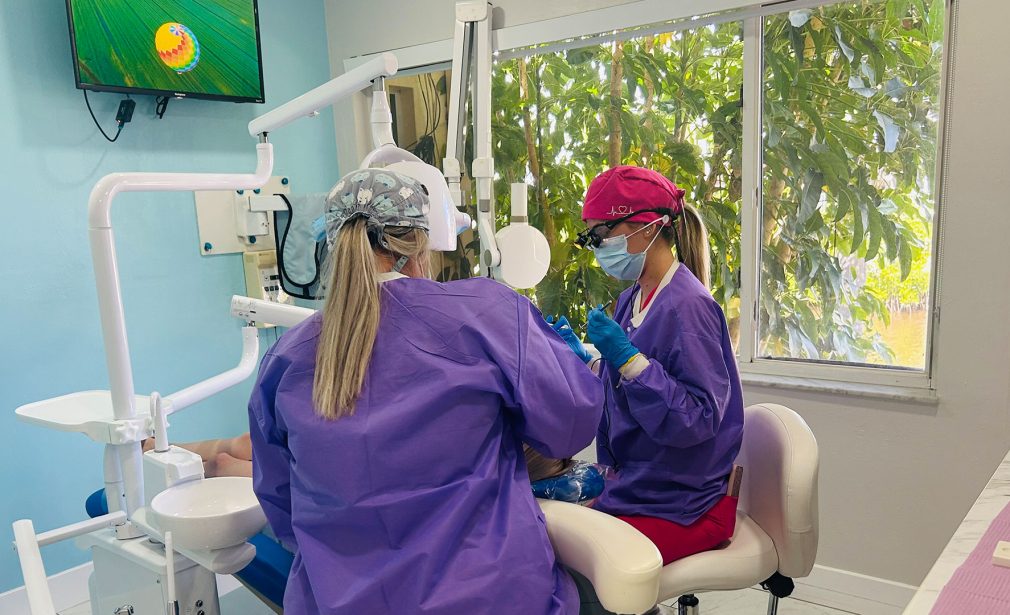
Dental Crowns in Cape Coral may help protect and restore teeth with deep decay, fractures, large fillings, significant wear, or structural weakness. At Dental Blush, the dentist first evaluates the tooth to determine how much healthy structure remains and whether a crown or another treatment makes the most sense.
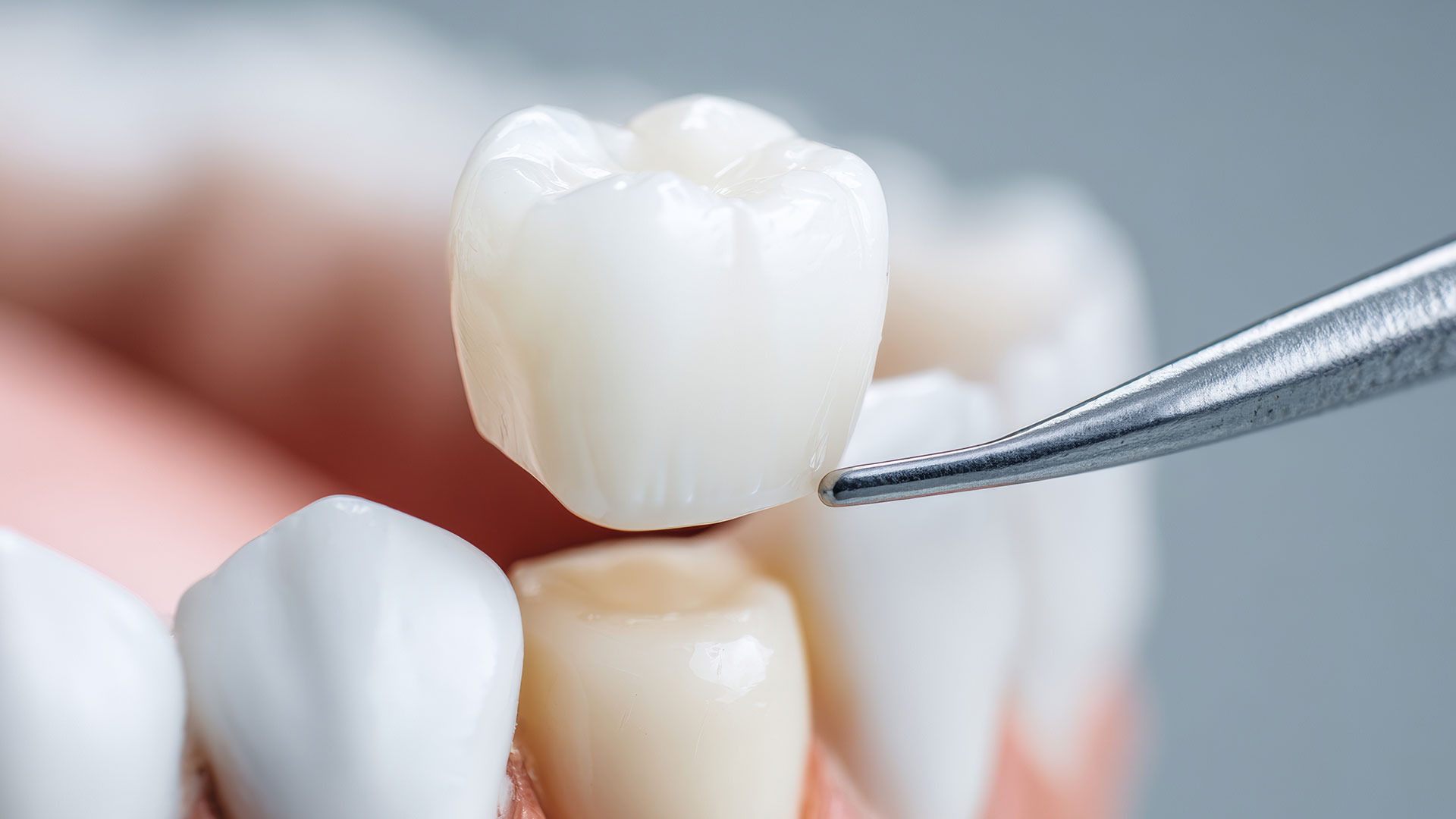
A dental crown covers the visible portion of a prepared tooth. Depending on the clinical situation, it can help restore shape, strength, function, and appearance while protecting the remaining natural tooth structure.
If you have a damaged tooth, discomfort when chewing, a cracked tooth, or questions about possible crown treatment, our team is happy to help at (239) 573-4848. We provide assistance in English and Spanish.
If you feel ready to request an evaluation, you can use our Appointment Today page. Our team can review your request and help determine the appropriate type of visit.
When Are Dental Crowns in Cape Coral Recommended?
A dentist may recommend a crown when a tooth needs more protection than a smaller restoration can provide. The goal is to preserve healthy tooth structure whenever possible while restoring comfortable function.
A crown may help when:
- A large filling has weakened the tooth: very little natural tooth structure may remain around an existing restoration.
- A tooth has cracked or fractured: additional coverage may help protect the remaining structure when the dentist can still restore the tooth.
- Decay has damaged a large portion of the tooth: a filling alone may not provide enough support.
- The tooth has significant wear: grinding, clenching, or other forces may affect its shape or strength.
- A tooth has received root canal treatment: depending on its location and remaining structure, the dentist may recommend additional protection.
- A tooth needs restorative and cosmetic improvement: a crown may sometimes address both structural and appearance concerns.
The dentist bases the recommendation on the examination, remaining tooth structure, bite, surrounding tissues, symptoms, and diagnostic information when needed.
The American Dental Association explains that crowns may strengthen teeth with large fillings, protect weakened teeth, restore broken teeth, and serve as part of certain dental implant restorations. Patients can review the ADA’s information about dental crowns for additional education.
Can a Dental Crown Save a Damaged Tooth?
Sometimes. The dentist first determines how much healthy tooth structure remains and evaluates the root, gums, bone support, bite, and surrounding tissues.
If the dental pulp has a problem but the remaining tooth can still support a restoration, the dentist may recommend Root Canal in Cape Coral treatment before completing the final restoration.
When extensive damage prevents the tooth from supporting a predictable restoration, the dentist may discuss other treatment options. Our Tooth Extraction in Cape Coral page explains situations in which removing a tooth may become necessary.
Dental Crowns After Root Canal Treatment
Root canal treatment addresses problems involving the pulp inside a tooth, while a crown protects and restores the remaining external tooth structure. These treatments serve different purposes.
A tooth that has received root canal treatment may already have significant decay, a large restoration, fracture, or structural loss. Depending on the tooth and clinical findings, the dentist may recommend a crown or another restoration to help protect it during normal chewing.
Not every root canal-treated tooth requires the same restorative approach. The dentist evaluates tooth location, remaining structure, bite forces, existing restorations, and other clinical factors before making a recommendation.
Types of Dental Crown Materials
Dentists can choose from different restorative materials when planning a crown. The appropriate material depends on the tooth’s location, remaining structure, bite forces, appearance goals, and other clinical considerations.
Ceramic and Porcelain Crown Restorations
Ceramic or porcelain-based restorations can provide tooth-colored options when appearance plays an important role in the treatment plan. The dentist considers shade, shape, neighboring teeth, bite, and restoration location.
Crowns for Back Teeth
Back teeth often experience stronger chewing forces. For those teeth, the dentist considers both appearance and the mechanical demands placed on the restoration when selecting an appropriate material.
No single crown material works best for every tooth. The dentist recommends an option based on the individual clinical situation.
What to Expect With Dental Crowns in Cape Coral
The exact crown process depends on the condition of the tooth and the type of restoration the dentist plans. A typical treatment sequence may include:
- Examination: the dentist evaluates the tooth, surrounding gums, bite, symptoms, and existing dental work.
- Diagnostic information: the dentist may recommend dental imaging when it can provide useful clinical information.
- Treatment planning: the dentist explains whether a crown or another restoration may provide an appropriate option.
- Tooth preparation: the dentist prepares the damaged or compromised areas and shapes the tooth to create room for the restoration.
- Impression or scan: detailed measurements of the prepared tooth help create the final restoration.
- Temporary restoration when needed: the dentist may place a temporary crown to protect the tooth while the final restoration is completed.
- Final placement: the dentist checks fit, bite, contact with neighboring teeth, comfort, and appearance before completing treatment.
The number of visits and exact sequence depend on the tooth, restoration, clinical needs, and treatment plan.
Does Getting a Dental Crown Hurt?
The dental team typically uses local anesthesia when preparing a tooth for a crown. Patients may notice pressure or movement while the dentist works, but the anesthesia helps numb the treatment area.
Temporary sensitivity or mild soreness can occur after treatment, particularly around the gums or when biting. The experience differs from one patient and tooth to another.
Contact the dental office if discomfort becomes severe, increases instead of improving, or the bite feels significantly different.
Emergency Crown Evaluations for Broken Teeth
A cracked tooth, broken restoration, significant pain, swelling, or dental trauma may require prompt attention. An emergency visit does not automatically mean that a crown will provide the correct treatment. The dentist first identifies the source and extent of the problem.
If enough healthy structure remains, the dentist may recommend a crown or another restorative procedure. More extensive damage may require a different treatment approach.
For urgent symptoms and information about same-day availability, visit our Emergency Dentist in Cape Coral page.
Dental Crowns and Dental Implants: What Is the Difference?
The word “crown” can describe the restoration that covers a prepared natural tooth. A crown can also form the visible portion of certain dental implant restorations.
A crown on a natural tooth relies on the remaining tooth structure underneath it. A dental implant replaces support in an area where a natural tooth is missing and can hold a planned restoration.
If a tooth cannot be preserved or you already have a missing tooth, our Dental Implants Cape Coral page explains implant evaluation and tooth replacement considerations.
How to Care for a Dental Crown
A dental crown still requires regular oral hygiene because the natural tooth and gumline around the restoration remain important to long-term oral health.
- Brush consistently: clean the crown, surrounding teeth, and gumline carefully.
- Clean between the teeth: floss or use another interdental method recommended by the dental team.
- Avoid using teeth as tools: biting ice, pens, packaging, or other hard objects can damage natural teeth and restorations.
- Pay attention to changes: contact the office if a crown feels loose, unusually high, uncomfortable, or different when chewing.
- Maintain routine dental visits: regular examinations allow the dentist to monitor the restoration and supporting tooth.
Professional preventive care also helps the team monitor the teeth, gums, and existing restorations. Learn more about our Teeth Cleaning in Cape Coral service.
Dental Crown Cost, Insurance, and Financing
The cost of a dental crown depends on the condition of the tooth, restorative material, diagnostic needs, treatment complexity, and whether the tooth needs additional care before crown placement.
PPO dental insurance or Medicare Advantage dental benefits may help with eligible restorative treatment depending on the individual plan. Deductibles, annual maximums, frequency limitations, waiting periods, network requirements, exclusions, and patient responsibility vary.
Our team can review available insurance information and discuss estimated treatment costs whenever possible before care begins.
If additional payment flexibility would be helpful, our Dental Financing Cape Coral page explains third-party financing options available to qualifying applicants.
Dental Crown Dentist Cape Coral: Care Near Del Prado Blvd S
Patients searching for a dental crown dentist in Cape Coral often want to know whether a damaged tooth can still be saved, what treatment involves, and what the expected cost may be before making a decision.
You can find Dental Blush at 1227 Del Prado Blvd S, Suite 106, Cape Coral, FL 33990, on Del Prado Blvd S in Cape Coral. Our location is convenient for patients throughout Cape Coral, including areas near Caloosahatchee, Hancock, Pelican, and nearby communities.
We speak English and Spanish. Hablamos inglés y español. Our team can help with questions about symptoms, treatment recommendations, insurance information, estimated costs, and financing.
You can view our Cape Coral office on Google Maps for directions.
Frequently Asked Questions About Dental Crowns in Cape Coral
How do I know if I need a dental crown?
A crown may help when a tooth has significant structural loss, a large filling, fracture, deep decay, wear, or other damage. A dental examination helps the dentist determine whether a crown or another treatment makes more sense.
Can a crown repair a cracked or broken tooth?
Sometimes. A crown may help restore a damaged tooth when enough healthy structure remains to support the restoration. Deeper fractures or extensive structural damage may require another treatment.
Do I always need a crown after a root canal?
No. The dentist considers the tooth’s location, amount of remaining structure, bite forces, existing restorations, and other clinical factors before recommending the final restoration.
How long can a dental crown last?
No single lifespan applies to every crown. Material, bite forces, tooth condition, grinding habits, oral hygiene, diet, and professional care can all influence how the restoration performs over time.
How much do Dental Crowns in Cape Coral cost?
Cost varies according to the tooth, restorative material, treatment complexity, insurance benefits, and any additional care the tooth needs. An evaluation allows the team to provide information based on the actual tooth and treatment plan.
Can I get a crown the same day if my tooth breaks?
Same-day emergency evaluation may be available depending on clinical needs and the current schedule. Whether the dentist can begin or complete crown treatment that day depends on the condition of the tooth, the required treatment, and available clinical time.
Do you provide assistance in Spanish?
Yes. Our Cape Coral team provides assistance in English and Spanish for appointments, treatment explanations, insurance questions, costs, financing, and aftercare information.
Questions About Dental Crowns in Cape Coral?
If you are considering Dental Crowns in Cape Coral for a damaged, cracked, worn, or weakened tooth, our team can evaluate the area, explain whether the tooth may support a restoration, and discuss the appropriate next step.
If writing is more convenient for a general question, you can send our team a message through the Contact Us page.
Dental Blush
1227 Del Prado Blvd S, Suite 106
Cape Coral, FL 33990
Phone: (239) 573-4848
Monday-Friday: 8:00 AM-5:00 PM
Saturday: Closed
Sunday: Closed