
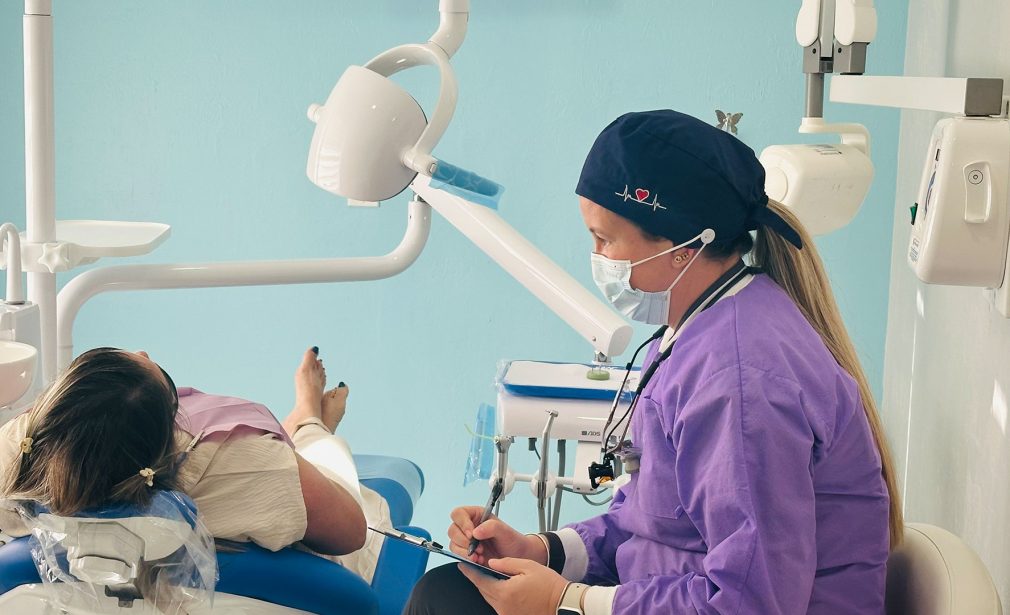
Dental Periodontics in Cape Coral for Healthier Gums
Dental Periodontics in Cape Coral at Dental Blush focuses on evaluating gum health and the tissues that support the teeth. Bleeding, swelling, gum recession, persistent bad breath, deeper periodontal pockets, or changes in tooth stability may indicate a need for periodontal evaluation.
Gum disease can develop gradually, and discomfort does not always appear during its early stages. A dental evaluation helps identify inflammation, plaque and tartar buildup, periodontal pocket depth, gum recession, and other clinical changes that may affect long-term oral health.
If you have questions about bleeding gums, deep cleaning, gum disease, or periodontal maintenance, our team is happy to help at (239) 573-4848. We provide assistance in English and Spanish.
If you feel ready to request an evaluation, you can use our Appointment Today page. Our team can review your request and help determine the appropriate type of visit.
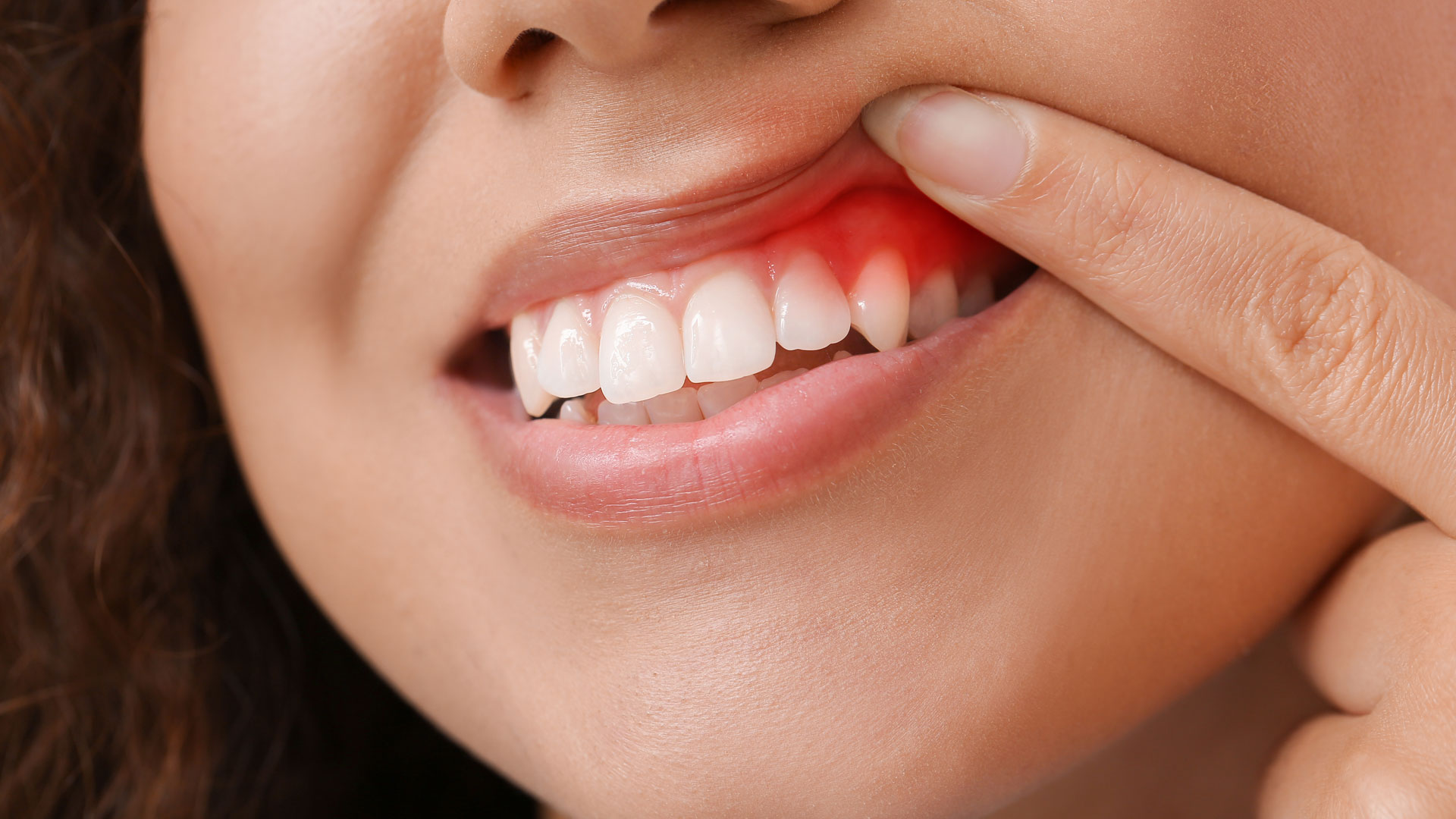
What Is Periodontal Care?
Periodontal care focuses on the gums and other tissues that help support the teeth. These structures include the periodontal ligament and the bone surrounding the tooth roots.
Plaque constantly forms on teeth. When bacteria and hardened deposits accumulate around or below the gumline, they can contribute to inflammation and periodontal disease.
The dentist evaluates the gums, pocket depths, tooth stability, oral hygiene, bite, and other clinical findings before discussing appropriate treatment.
Signs You May Need Dental Periodontics in Cape Coral
Gum disease does not always cause noticeable pain. Some patients first recognize changes while brushing, cleaning between their teeth, eating, or looking at their gums.
Possible warning signs include:
- Bleeding gums: gums frequently bleed during brushing, interdental cleaning, or eating.
- Red or swollen gums: tissue may look irritated, enlarged, or feel tender.
- Persistent bad breath: ongoing odor may occur along with bacterial buildup and periodontal disease.
- Gum recession: the gumline moves away from the tooth and may expose part of the root.
- Loose or shifting teeth: loss of periodontal support can affect tooth stability.
- Changes when chewing: discomfort or bite changes may develop as periodontal support changes.
- Heavy tartar buildup: hardened deposits may collect around or below the gumline.
A dental evaluation can identify whether these changes involve gingivitis, periodontitis, another dental condition, or a combination of concerns.
If you develop significant facial swelling, severe pain, fever with worsening dental symptoms, difficulty swallowing, or another urgent dental concern, our Emergency Dentist in Cape Coral page explains urgent evaluation and same-day availability when the schedule permits.
Understanding Gingivitis and Periodontitis
Gum disease can range from early inflammation to more advanced disease involving the tissues and bone that support the teeth.
Gingivitis
Gingivitis affects the gum tissue and may cause redness, swelling, or bleeding. When gum disease remains in this early stage without loss of supporting structures, professional care and consistent home hygiene can often improve the inflammation.
Periodontitis
Periodontitis involves deeper periodontal tissues and can damage the bone and structures that support the teeth. As the condition progresses, periodontal pockets may deepen and teeth may develop recession, mobility, or changes in position.
The American Academy of Periodontology explains that gum disease can progress with few noticeable symptoms and lists bleeding, swollen gums, recession, persistent bad breath, loose teeth, and bite changes among possible warning signs. Patients can review the AAP’s gum disease information for additional education.
Gum Disease Treatment Cape Coral: Scaling and Root Planing
Gum Disease Treatment Cape Coral may include scaling and root planing when periodontal pockets and deposits below the gumline require more than a routine preventive cleaning.
During scaling, the dental professional removes plaque and tartar from the tooth surfaces and appropriate areas below the gumline. Root planing focuses on cleaning and smoothing affected root surfaces.
The need for this treatment depends on periodontal findings such as pocket depth, inflammation, tartar accumulation, bone support, bleeding, and the overall condition of the gums.
The American Dental Association describes scaling and root planing as a deep cleaning below the gumline used to treat gum disease. You can review the ADA’s information about scaling and root planing.
Regular Teeth Cleaning vs. Deep Cleaning
A regular preventive cleaning and periodontal scaling and root planing treat different clinical conditions.
Routine teeth cleaning generally removes plaque, tartar, and surface deposits around and above the gumline when active periodontal disease does not require deeper treatment.
Scaling and root planing reaches below the gumline to address periodontal pockets and buildup associated with gum disease.
The dentist determines the appropriate type of care after evaluating the gums and supporting tissues. For routine preventive treatment, visit our Teeth Cleaning in Cape Coral page.
What to Expect During a Periodontal Evaluation
A periodontal evaluation helps the dentist understand the condition of the gums and tooth-supporting structures before recommending care.
The evaluation may include:
- Health and dental history: the team reviews relevant medical conditions, medications, tobacco use, symptoms, and previous periodontal treatment.
- Gum evaluation: the dentist or dental team checks for inflammation, bleeding, recession, and other visible changes.
- Periodontal measurements: pocket measurements help evaluate the space between the teeth and gums.
- Tooth stability: the dentist evaluates mobility and other changes that may affect support.
- Diagnostic imaging when appropriate: dental radiographs may provide information about supporting bone and other structures that cannot be fully evaluated visually.
- Treatment discussion: the dentist explains the findings and appropriate next steps.
The exact evaluation depends on symptoms, previous records, current oral health, and clinical findings.
Periodontal Maintenance After Gum Disease Treatment
Some patients need periodontal maintenance after active gum disease treatment. These visits help control new buildup and allow the dental team to monitor pocket depths, bleeding, gum condition, oral hygiene, and other changes over time.
Periodontal maintenance differs from a standard preventive cleaning because it supports patients with a history of periodontal disease.
The recommended interval varies according to disease severity, plaque and tartar accumulation, oral hygiene, medical history, tobacco use, previous treatment, and response to care.
Gum Recession and Sensitive Tooth Roots
Gum recession occurs when the gumline moves away from the tooth and exposes more of the root surface. Recession may contribute to sensitivity, changes in appearance, and difficulty keeping certain areas clean.
Several factors can contribute to recession, so the dentist first evaluates the pattern, severity, periodontal health, brushing habits, tooth position, and other clinical findings.
Some cases may need monitoring or changes in home care, while more complex periodontal concerns may require referral to a specialist when appropriate.
Why Gum Health Matters for Your Teeth
Healthy periodontal tissues help support natural teeth. When gum disease damages the surrounding tissues and bone, teeth may become more difficult to maintain and can eventually lose stability.
Gum health also matters when planning restorative or cosmetic dental treatment. The dentist may recommend addressing active periodontal inflammation before proceeding with certain crowns, dentures, implants, veneers, or other dental care.
Treating active dental disease first helps create a healthier foundation for future treatment decisions.
Periodontal Health and Dental Implant Planning
Healthy gums and adequate bone support play an important role when evaluating possible dental implant treatment. Active periodontal disease may require care before implant treatment moves forward.
The dentist evaluates oral health, gum condition, bone support, medical history, and other factors before recommending implant-related care or referral.
How to Help Protect Your Gums
Consistent home care and professional dental visits can help control plaque and support gum health. Recommendations may vary for patients with a history of periodontal disease.
- Brush thoroughly: clean the teeth and gumline with appropriate brushing technique.
- Clean between teeth daily: use floss or another interdental method that fits your dental needs.
- Follow recommended maintenance: attend preventive or periodontal visits according to the schedule your dental provider recommends.
- Avoid tobacco: tobacco use increases the risk and severity of periodontal disease.
- Watch for changes: report persistent bleeding, swelling, recession, bad breath, tooth mobility, or discomfort.
- Follow personalized instructions: use cleaning aids or oral care products according to professional recommendations.
Persistent gum bleeding or swelling deserves professional evaluation rather than simply assuming it is normal.
Dental Periodontics Cost, Insurance, and Financing
The cost of periodontal care depends on the diagnosis, number of treatment areas, periodontal measurements, diagnostic needs, type of treatment, and recommended follow-up care.
PPO dental insurance or Medicare Advantage dental benefits may help with eligible periodontal examinations, scaling and root planing, maintenance, or related care depending on the individual plan.
Coverage percentages, deductibles, annual maximums, frequency limitations, network requirements, exclusions, and patient responsibility vary. Our team can review available plan information and discuss estimated costs whenever possible.
If additional payment flexibility would be helpful, our Dental Financing Cape Coral page explains third-party financing options available to qualifying applicants.
Periodontal Care Near Del Prado Blvd S
You can find Dental Blush at 1227 Del Prado Blvd S, Suite 106, Cape Coral, FL 33990, on Del Prado Blvd S in Cape Coral.
Our location is convenient for patients throughout Cape Coral, including areas near Caloosahatchee, Hancock, Pelican, and nearby communities.
We speak English and Spanish. Hablamos inglés y español. Our team can help with bleeding gums, periodontal evaluations, deep cleaning questions, insurance information, estimated costs, financing, and maintenance care.
You can view our Cape Coral office on Google Maps for directions.
Frequently Asked Questions About Dental Periodontics in Cape Coral
What is periodontal disease?
Periodontal disease affects the gums and other tissues that support the teeth. Gingivitis primarily involves gum inflammation, while periodontitis can affect deeper supporting tissues and bone.
How do I know if I need gum disease treatment?
Bleeding, swelling, gum recession, persistent bad breath, deeper periodontal pockets, loose teeth, or changes when chewing may indicate a need for evaluation. The dentist needs to examine the gums before determining the appropriate treatment.
Is deep cleaning the same as regular teeth cleaning?
No. Routine preventive cleaning generally focuses on plaque and tartar around and above the gumline. Scaling and root planing treats appropriate areas below the gumline when periodontal disease requires deeper care.
Can gingivitis improve?
Early gingivitis can often improve with professional care and consistent oral hygiene when periodontal disease has not damaged the deeper supporting structures.
Can periodontitis be reversed?
Periodontitis can cause permanent loss of supporting tissues and bone. Treatment focuses on controlling disease, reducing inflammation and bacterial buildup, and maintaining the remaining periodontal support.
Will I always need periodontal maintenance after treatment?
Not every patient follows the same schedule. The dentist recommends maintenance based on the diagnosis, previous treatment, periodontal stability, buildup rate, oral hygiene, and other risk factors.
How much does Dental Periodontics in Cape Coral cost?
Cost depends on the diagnosis, areas requiring treatment, diagnostic needs, insurance benefits, and recommended periodontal care. An evaluation allows the team to discuss costs based on the actual clinical findings.
Do you provide assistance in Spanish?
Yes. Our Cape Coral team provides assistance in English and Spanish for gum symptoms, periodontal evaluations, treatment information, insurance questions, costs, financing, and maintenance care.
Questions About Dental Periodontics in Cape Coral?
If you have persistent bleeding gums, swelling, recession, bad breath, or another concern about gum health, our team can evaluate the area and explain whether preventive care, gum disease treatment, periodontal maintenance, or another next step may be appropriate.
If writing is more convenient for a general question, you can send our team a message through the Contact Us page.
Dental Blush
1227 Del Prado Blvd S, Suite 106
Cape Coral, FL 33990
Phone: (239) 573-4848
Monday-Friday: 8:00 AM-5:00 PM
Saturday: Closed
Sunday: Closed
Humana Dental Insurance


Aetna Dental Insurance


Cigna Dental Insurance


Blue Cross Blue Shield Dental Insurance


Ameritas Dental Insurance


UnitedHealthcare Dental Insurance