
Overdentures in Cape Coral for Added Denture Stability
Overdentures in Cape Coral at Dental Blush may provide additional retention for patients who need removable tooth replacement. Depending on the clinical situation, an overdenture may be supported by dental implants or selected natural teeth or roots that remain suitable for treatment.
Loose or unstable dentures can make eating, speaking, and everyday activities more difficult. An overdenture uses planned support to help reduce unwanted movement while remaining removable for cleaning and maintenance.
If you have questions about loose dentures, implant-supported options, or replacing several or all missing teeth, our team is happy to help at (239) 573-4848. We provide assistance in English and Spanish.
If you feel ready to request an evaluation, you can use our Appointment Today page. Our team can review your request and help determine the appropriate type of visit.
What Are Overdentures?
An overdenture is a removable tooth replacement appliance that receives support or retention from structures beneath it. Depending on the treatment plan, those structures may include dental implants or selected natural teeth or roots that the dentist determines can remain.
Traditional complete dentures generally rely on the gums, oral anatomy, saliva, fit, and muscle control for support and retention. An overdenture adds another source of support or retention to the removable appliance.
The American Dental Association explains that overdentures may fit over a small number of remaining natural teeth and that dental implants can serve a similar supporting function. Patients can review the ADA’s information about dentures and overdentures.
Implant-Supported Overdentures Cape Coral
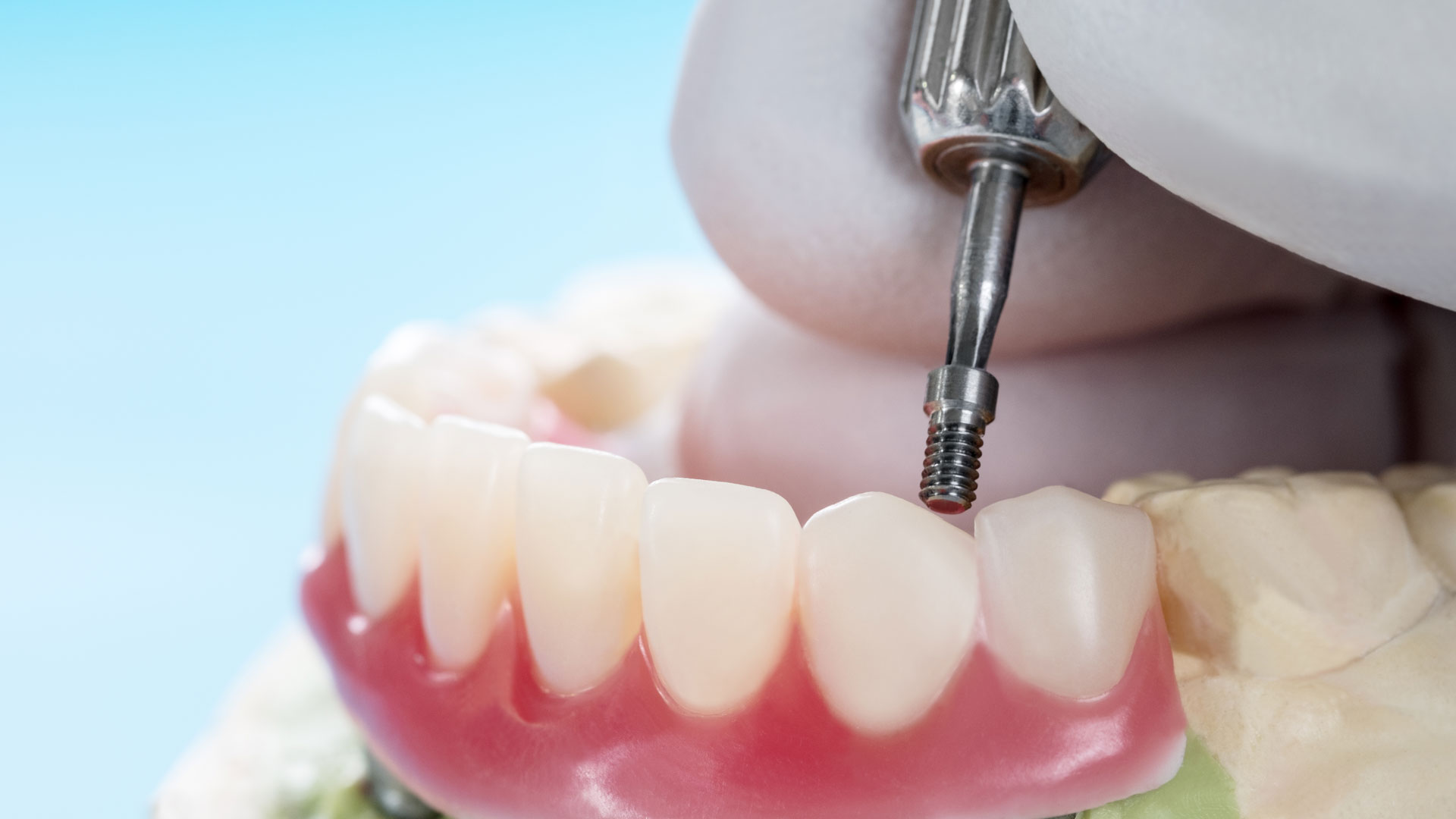
Implant-Supported Overdentures Cape Coral use dental implants to help retain or support a removable denture. The implants act as anchors, while the overdenture connects to the planned attachment system.
For appropriately selected patients, this approach may provide more stability than a conventional removable denture. Implant treatment still requires evaluation of oral health, bone support, medical history, existing anatomy, and restorative needs.
The number and position of implants depend on the individual treatment plan. The same implant configuration is not appropriate for every patient.
Patients who want more detail on implant treatment can review our Dental Implants Cape Coral page.
Why Patients Consider Overdentures in Cape Coral
Patients may explore overdentures when a traditional removable denture moves more than they would like. They may also want to compare different ways of replacing several or all missing teeth.
Potential benefits may include:
- Additional retention: attachments may reduce unwanted denture movement.
- Improved stability: implant or tooth support may help the appliance feel more secure during everyday use.
- Chewing support: greater stability may make some foods easier to manage.
- Speech support: reduced appliance movement may help some patients feel more comfortable while speaking.
- Removable care: many overdentures remain removable so patients can clean the appliance and supporting structures.
- Customized appearance: tooth shade, shape, size, and arrangement can form part of the restorative plan.
Results and comfort vary according to oral anatomy, bone and gum support, attachment design, fit, bite, maintenance, and the patient’s ability to adapt to the appliance.
Implant-Supported vs. Tooth-Supported Overdentures
Not every overdenture is supported in the same way. The dentist evaluates which structures remain and whether they can safely contribute to the treatment plan.
Implant-Supported Overdentures
Dental implants can provide planned anchor points for an overdenture. The dentist evaluates bone support, gum health, medical considerations, restorative space, and other factors before recommending implant-related treatment.
Overdentures Supported by Natural Teeth or Roots
In selected cases, some natural teeth or roots may remain suitable for supporting an overdenture. The dentist evaluates their periodontal health, structural condition, surrounding bone, and long-term prognosis before considering this approach.
Keeping a natural tooth or root is not appropriate in every case. Teeth with extensive decay, infection, poor periodontal support, fractures, or another unfavorable condition may require a different treatment plan.
Overdentures vs. Traditional Dentures
Both overdentures and traditional dentures can replace missing teeth, but they rely on different support and retention methods.
Traditional Removable Dentures
Traditional dentures rest primarily on the oral tissues and rely on their fit, shape, saliva, anatomy, bite, and muscle control. Patients remove them for cleaning and routine care.
Overdentures With Additional Support
Overdentures receive added support or retention from dental implants or selected natural tooth structures. For some patients, this may reduce movement compared with a conventional removable appliance.
Patients comparing removable tooth replacement options can review our Dentures in Cape Coral page.
Who May Consider an Overdenture?
Patients who are missing several or all teeth may want to compare an overdenture with other removable and implant-related options.
Factors the dentist may consider include:
- Current denture fit: an existing appliance may feel loose or unstable during eating or speaking.
- Number of missing teeth: several teeth or an entire dental arch may need replacement.
- Gum health: active periodontal disease or infection may require treatment before restorative work.
- Bone support: implant-related treatment requires evaluation of available bone and anatomy.
- Remaining teeth or roots: selected natural structures may or may not remain suitable for support.
- Medical history: overall health and healing considerations can affect implant treatment planning.
- Maintenance ability: patients need to clean the appliance and supporting structures consistently.
The dentist also considers treatment goals, expected maintenance, available restorative space, timeline, and cost before discussing recommendations.
What to Expect With Overdentures in Cape Coral
The treatment sequence depends on whether the plan uses implants, retained natural structures, or another restorative approach. The dentist first evaluates the clinical situation before defining the steps.
- Consultation and examination: the dentist evaluates gums, bite, missing teeth, current dentures, remaining teeth, and oral health.
- Diagnostic information: when clinically necessary, appropriate dental imaging may help evaluate bone support, remaining roots, and other structures.
- Treatment comparison: the dentist discusses traditional dentures, overdentures, implant-related options, and other appropriate alternatives.
- Preparatory care: some patients may need periodontal treatment, extractions, healing, or other dental care before the final appliance.
- Implant planning when applicable: if dental implants form part of the recommendation, the dentist explains surgical, healing, and restorative considerations or coordinates referral when appropriate.
- Restorative records: impressions or other measurements help plan fit, bite, tooth position, and appearance.
- Delivery: the dentist checks fit, bite, retention, appearance, and comfort.
- Follow-up care: adjustment and maintenance visits help monitor the appliance and supporting tissues.
The complete timeline varies based on oral health, healing, implant treatment (when applicable), extractions, appliance design, and individual clinical needs.
Overdentures and Gum Health
Healthy gums and supporting tissues play an important role in overdenture treatment. Active inflammation, periodontal disease, infection, or another oral health concern may need attention before restorative treatment begins.
The dentist evaluates the gums, bone support, oral hygiene, remaining teeth or roots, and other clinical findings before recommending the next step.
Patients who need additional gum evaluation can learn more through our Dental Periodontics in Cape Coral page.
Adjusting to a New Overdenture
A new removable appliance can require an adjustment period. Patients may initially notice changes in saliva, speech, chewing, pressure, or the way the tongue and cheeks interact with the denture.
Helpful habits may include:
- Start with manageable foods: choose foods that are easier to chew while you learn how the appliance feels.
- Practice balanced chewing: using both sides when appropriate may help improve stability.
- Practice speaking: reading aloud can help the tongue and facial muscles adapt.
- Follow insertion and removal instructions: use the attachment system only as directed by the dental team.
- Attend adjustment visits: tell the dentist about pressure areas, soreness, bite concerns, or changes in retention.
Contact the office if the appliance causes persistent pain, sores, significant instability, or difficulty with normal function.
How to Clean and Maintain Overdentures
Daily care helps protect the appliance, gums, attachments, implants, and any remaining natural teeth or roots.
- Clean the overdenture daily: use appropriate brushes and cleaning products recommended for the appliance.
- Rinse after meals: remove loose food particles when possible.
- Clean supporting structures: carefully clean gums, remaining teeth, implant components, and accessible attachment areas as directed by your dental professional.
- Remove the appliance as directed: follow the dentist’s recommendations for nighttime use and storage.
- Handle the overdenture carefully: clean it over a folded towel or a basin with water to reduce the chance of damage if it falls.
- Maintain dental visits: professional evaluation helps monitor fit, gum health, attachments, supporting structures, and appliance wear.
Attachments and removable appliances can wear or change over time. Periodic adjustments, maintenance, repair, relining, or replacement may become necessary depending on the individual situation.
Overdenture Cost, Insurance, and Financing
The cost of an overdenture depends on the appliance design and whether implants form part of the plan. Diagnostic needs, extractions, periodontal care, attachments, materials, and other required treatment can also affect the cost.
PPO dental insurance or Medicare Advantage dental benefits may help with eligible examinations, diagnostic imaging, dentures, extractions, or other related treatment depending on the individual plan.
Implant-related benefits vary significantly. Deductibles, annual maximums, waiting periods, exclusions, frequency limitations, network requirements, and patient responsibility also differ by plan.
Our team can review available insurance information and discuss estimated treatment costs whenever possible.
If additional payment flexibility would be helpful, our Dental Financing Cape Coral page explains third-party financing options available to qualifying applicants.
Overdenture Care Near Del Prado Blvd S
You can find Dental Blush at 1227 Del Prado Blvd S, Suite 106, Cape Coral, FL 33990, on Del Prado Blvd S in Cape Coral.
Our location is convenient for patients throughout Cape Coral, including areas near Caloosahatchee, Hancock, Pelican, and nearby communities.
We speak English and Spanish. Hablamos inglés y español. Our team can help with loose dentures, overdenture evaluations, implant-related options, estimated costs, insurance information, financing, and maintenance questions.
View our Cape Coral office on Google Maps for directions.
Frequently Asked Questions About Overdentures in Cape Coral
What is an overdenture?
An overdenture is a removable tooth replacement appliance that receives additional support or retention from dental implants or selected natural teeth or roots when those structures remain appropriate for treatment.
Are overdentures better than traditional dentures?
Not every patient needs the same type of denture. An overdenture may provide additional retention or stability for some patients, while a conventional denture may remain an appropriate choice for others. The dentist compares the options based on oral health, anatomy, goals, maintenance, treatment time, and cost.
Do all overdentures require dental implants?
No. Some overdentures use dental implants, while selected cases may use suitable natural teeth or roots for support. The dentist needs to evaluate which structures are healthy enough to remain.
What are Implant-Supported Overdentures Cape Coral?
Implant-supported overdentures use dental implants as planned anchor points for a removable denture. The dentist evaluates bone support, gum health, medical history, restorative needs, and other factors before determining whether implant-related treatment may be appropriate.
How many implants do overdentures need?
No single number applies to every patient. The treatment plan depends on the arch, anatomy, bone support, restorative design, attachment system, medical considerations, and other clinical factors.
Are implant-supported overdentures removable?
Many overdenture designs allow the patient to remove the appliance for cleaning, even though dental implants provide additional retention or support. The dentist can explain how the recommended design works before treatment.
How much do Overdentures in Cape Coral cost?
Cost depends on appliance design, implant treatment when applicable, diagnostic needs, attachments, materials, extractions, gum care, insurance benefits, and other treatment included in the plan. An evaluation allows the team to discuss costs based on the actual recommendation.
Do you provide assistance in Spanish?
Yes. Our Cape Coral team provides assistance in English and Spanish for overdenture consultations, implant-related questions, costs, insurance information, financing, maintenance, and appointment requests.
Questions About Overdentures in Cape Coral?
If your current denture feels loose or you would like to compare conventional dentures with implant-supported or other overdenture options, our team can evaluate your oral health and explain which approaches may fit your clinical needs.
If writing is more convenient for a general question, you can message our team through the Contact Us page.
Dental Blush
1227 Del Prado Blvd S, Suite 106
Cape Coral, FL 33990
Phone: (239) 573-4848
Monday-Friday: 8:00 AM-5:00 PM
Saturday: Closed
Sunday: Closed
Humana Dental Insurance


Aetna Dental Insurance


Cigna Dental Insurance


Blue Cross Blue Shield Dental Insurance


Ameritas Dental Insurance


UnitedHealthcare Dental Insurance