
Dental Implants Cape Coral for Missing Tooth Replacement
Dental Implants Cape Coral at Dental Blush may provide an option for replacing one missing tooth, several teeth, or supporting a more stable denture. The first step is understanding what you are missing, how your mouth is functioning now, and which tooth replacement options may make sense for your oral health.
Missing teeth can affect chewing, bite stability, speech, and the way a smile looks. Dental implants replace support below the gumline and can be used with different types of restorations depending on the number and location of missing teeth.
If you are wondering whether implants may be an option for you, our team is happy to answer general questions at (239) 573-4848. We provide assistance in English and Spanish.
If you feel ready to request an implant evaluation, you can use our Appointment Today page. Our team can review your request and help determine the appropriate type of visit.
What Are Dental Implants?
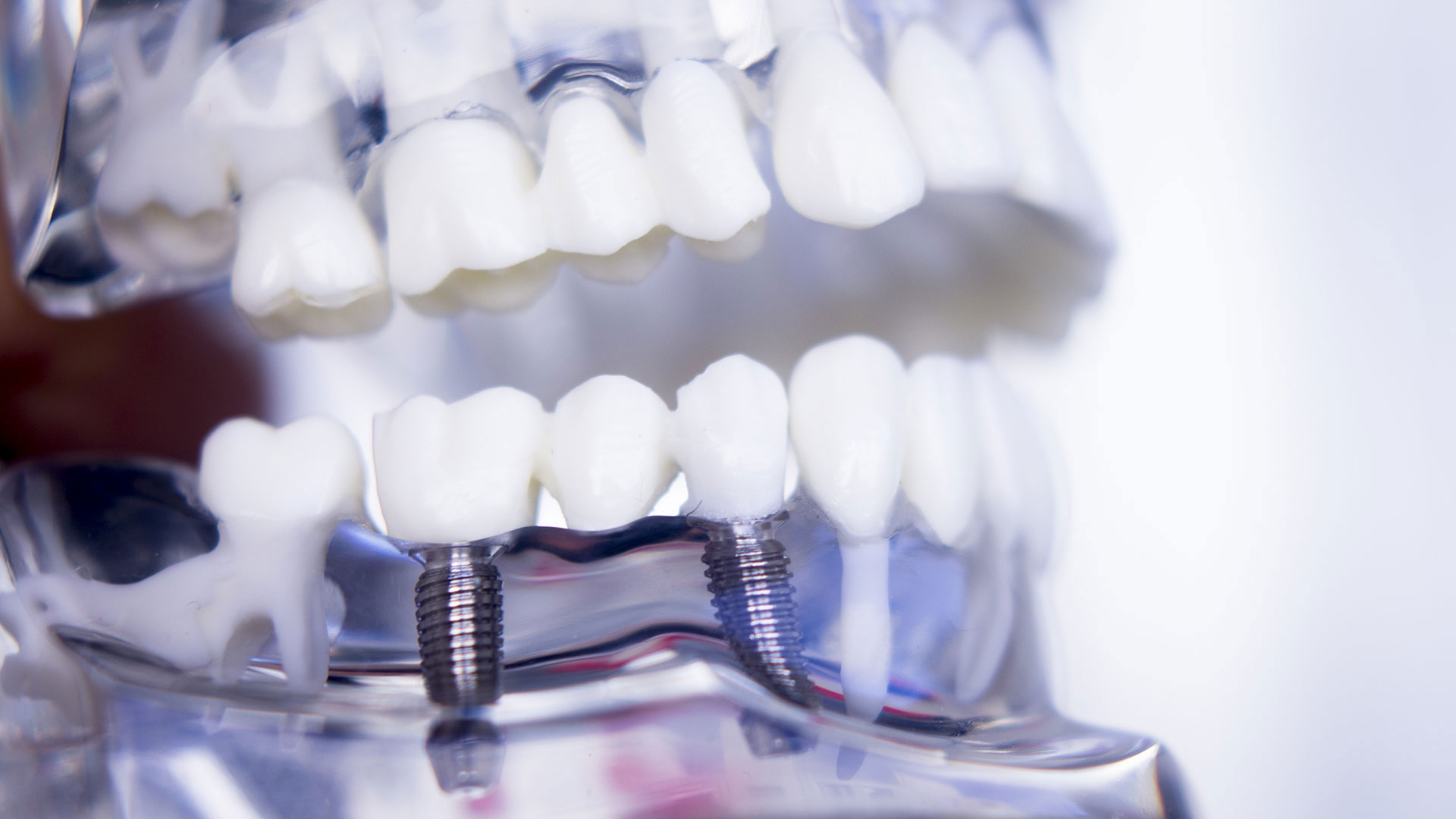
A dental implant is a small post placed in the jawbone to provide support for a replacement tooth or restoration. After the implant and surrounding bone heal appropriately, the implant may support a crown, bridge, denture, or another implant-supported restoration.
The implant itself sits below the gumline. The restoration above it replaces the visible portion of the missing tooth or teeth.
Implant treatment is not identical for every patient. The number of missing teeth, available bone, gum health, neighboring teeth, bite, medical history, and type of final restoration all influence treatment planning.
Patients who want additional educational information can also review the American Dental Association’s information about dental implants.
Benefits of Dental Implants Cape Coral Treatment
Implants can offer a different type of support than traditional removable or tooth-supported restorations. The potential advantages depend on the individual treatment plan.
- Replacement of one missing tooth: a single implant may support an individual crown without relying on neighboring teeth for support.
- Replacement of several teeth: strategically placed implants may support a bridge or another restoration.
- Additional denture stability: implants may help retain certain removable tooth replacement options.
- Support below the gumline: the implant functions as an anchor for the planned restoration.
- Restorative flexibility: implants can be incorporated into different treatment plans depending on how many teeth are missing.
Results, treatment requirements, healing, maintenance, and long-term performance vary according to oral health and individual clinical factors.
Dental Implant Consultation Cape Coral: What to Expect
A dental implant consultation in Cape Coral begins with understanding what teeth are missing, any problems you are currently experiencing, and what you would like to improve.
The dentist may evaluate:
- Missing teeth and the surrounding area
- Gum health
- Available bone support
- Remaining teeth and existing dental work
- Bite and available space
- Relevant dental and medical history
- Possible restorative options
- Treatment stages and expected healing
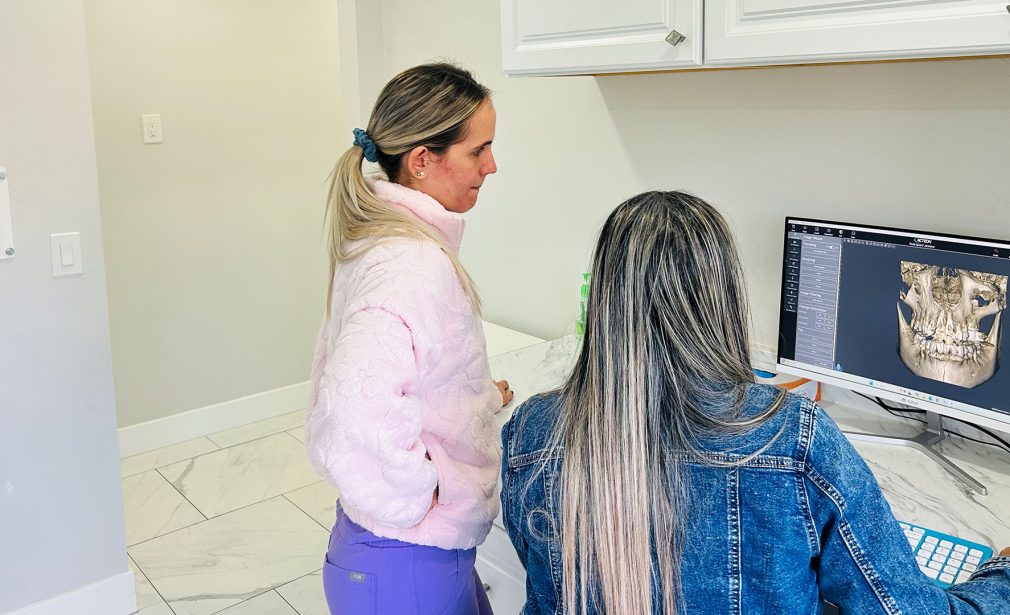
Diagnostic imaging may also be recommended when it provides information needed for treatment planning. The type of imaging depends on the individual clinical situation.
After the evaluation, the dentist can explain whether implant treatment appears appropriate, whether additional care may be necessary first, and what other tooth replacement options should be considered.
Who May Be a Candidate for Dental Implants?
Implant candidacy cannot be determined by one factor alone. The dentist considers oral health, bone support, gum condition, medical history, medications, habits, hygiene, and the proposed restoration before recommending treatment.
Important considerations may include:
- Healthy supporting tissues: active gum problems may need attention before or during implant planning.
- Appropriate bone support: the planned implant needs sufficient support for its location and intended restoration.
- Oral hygiene: implants and the tissues around them require consistent long-term care.
- General health: medical conditions and medications may influence surgery or healing.
- Tobacco use: smoking and other tobacco use can interfere with healing and should be discussed with the dentist.
- Realistic expectations: implant treatment may involve several stages and requires ongoing maintenance.
Some patients require additional dental care before implant placement. If a damaged or infected tooth first needs to be removed, our Tooth Extraction in Cape Coral page explains how that evaluation works.
How the Dental Implant Process Works
Dental implant treatment often involves several stages rather than one single appointment. The exact sequence depends on the individual treatment plan.
- Consultation and examination: the dentist evaluates oral health, missing teeth, symptoms, history, and treatment goals.
- Diagnostic planning: appropriate images and clinical information help evaluate the proposed implant area.
- Treatment discussion: the team explains the proposed stages, restorative options, estimated costs, and important considerations.
- Preparatory care when needed: some patients may need an extraction, gum treatment, additional evaluation, or other care before implant placement.
- Implant placement: the implant is positioned according to the treatment plan when clinically appropriate.
- Healing: the surrounding bone needs time to heal around the implant.
- Restoration: after appropriate healing, a crown, bridge, denture, or other restoration may be connected to the implant.
- Maintenance: home care and professional visits help monitor the implant and surrounding tissues.
The ADA notes that the healing process around an implant, known as osseointegration, takes time and may require several months before the final replacement teeth are attached in some cases.
Single-Tooth Dental Implants
When one tooth is missing, a single implant may support an individual replacement tooth. This option does not normally require preparing the neighboring teeth simply to support the implant restoration.
The dentist evaluates the space, available bone, gums, bite, neighboring teeth, and cosmetic considerations before determining whether an individual implant restoration is appropriate.
Implant Options for Several Missing Teeth
Replacing several missing teeth does not always require one implant for every missing tooth. Depending on the clinical situation, implants may be positioned to support a bridge or another multi-tooth restoration.
The number and position of implants depend on the size of the missing area, bone support, bite forces, restorative design, and other individual factors.
Dental Implants and Denture Stability
Patients who already wear dentures or who need to replace several missing teeth may have more than one restorative option.
Traditional dentures rest primarily on the oral tissues. Implant-supported or implant-retained options use dental implants to provide additional support or retention, depending on the type of restoration.
Patients considering removable tooth replacement can review our Dentures in Cape Coral page to better understand how traditional and implant-related options may differ.
Dental Implants Compared With Other Tooth Replacement Options
Dental implants are one way to replace missing teeth, but they are not the only option. Depending on the individual situation, a dentist may also discuss a traditional bridge, partial denture, full denture, or another restorative approach.
Dental Implant Restorations
Implants receive their primary support from the jawbone and may support individual or multi-tooth restorations.
Traditional Dental Bridges
A traditional bridge generally relies on neighboring teeth for support. Those teeth may need preparation to hold the restoration.
Removable Dentures
Partial or full dentures provide removable tooth replacement. Their support and retention work differently from implant-supported restorations.
The more appropriate option depends on oral health, remaining teeth, bone support, treatment goals, time, maintenance requirements, and budget.
Dental Implant Healing and Recovery
Healing varies from one person and procedure to another. The number of implants, treatment location, bone support, additional procedures, medical health, and individual healing response can affect the timeline.
After implant placement, patients should follow the specific instructions provided by the dental team. General guidance may include:
- Following the recommended diet during early healing
- Keeping the mouth clean according to the instructions provided
- Avoiding unnecessary pressure on the treatment area
- Attending scheduled follow-up visits
- Contacting the office if pain, swelling, bleeding, or another symptom worsens or causes concern
Healing below the surface continues even after the treatment area begins to feel more comfortable.
How to Care for Dental Implants
Implants cannot develop cavities in the same way as natural tooth structure, but the gums and bone surrounding an implant can still develop problems.
Consistent oral hygiene and professional maintenance therefore remain important after treatment.
- Brush consistently: clean the implant restoration and surrounding gumline.
- Clean between teeth and restorations: use floss or another method recommended for your treatment.
- Avoid damaging habits: chewing ice or hard objects may damage restorations.
- Watch for changes: bleeding, swelling, discomfort, looseness, or changes in the bite should be evaluated.
- Maintain dental visits: examinations allow the dentist to monitor the implant restoration and surrounding tissues.
Cost of Dental Implants Cape Coral and Payment Options
The cost of implant treatment varies because there is no single implant treatment plan that applies to every missing tooth.
Factors that can influence cost include the number of missing teeth, number of implants, type of final restoration, diagnostic needs, available bone, extraction needs, preparatory treatment, and overall complexity.
Some PPO dental plans or Medicare Advantage dental benefits may contribute toward eligible portions of implant-related care, but coverage depends on the individual plan.
Patients without traditional dental insurance can also review our Dental Discount Plans in Cape Coral page for information about the current membership program.
If additional payment flexibility would be helpful, our Dental Financing Cape Coral page explains third-party financing options for qualifying applicants.
Emergency Dental Problems Before Implant Treatment
Sometimes a conversation about replacing a tooth begins because the existing tooth has developed severe decay, infection, trauma, or significant structural damage.
When pain, swelling, a broken tooth, or another urgent problem develops, the immediate concern should be evaluated before planning the long-term replacement.
Our Emergency Dentist in Cape Coral page explains urgent dental concerns and same-day evaluation when availability permits.
Dental Implant Care Near Del Prado Blvd S
Dental Blush is located at 1227 Del Prado Blvd S, Suite 106, Cape Coral, FL 33990. Our location is convenient for patients throughout Cape Coral, including areas near Caloosahatchee, Hancock, Pelican, and nearby communities.
Patients searching locally for missing tooth replacement or a dental implant consultation can speak with our team about their concerns, possible treatment options, estimated costs, insurance information, and financing before deciding how they would like to proceed.
We speak English and Spanish. Hablamos inglés y español.
You can view our Cape Coral office on Google Maps for directions.
Frequently Asked Questions About Dental Implants
How long does dental implant treatment take?
The complete process can take several months because healing around the implant requires time. The timeline varies according to the number of implants, bone condition, restorative plan, additional procedures, and individual healing.
Are dental implants appropriate for everyone?
No treatment is appropriate for everyone. The dentist evaluates gum health, available bone, general health, medications, habits, oral hygiene, and restorative needs before determining whether implant treatment may be appropriate.
What happens during a dental implant consultation in Cape Coral?
The dentist evaluates the missing tooth area, remaining teeth, gums, bite, available support, health history, and treatment goals. Diagnostic imaging may also be recommended when needed for planning.
Can an implant replace just one missing tooth?
Yes. A single implant may support an individual replacement tooth when the clinical conditions are appropriate.
Can implants help stabilize dentures?
Yes. Certain implant-supported or implant-retained restorations use implants to provide additional support or retention compared with conventional removable dentures.
What affects the cost of Dental Implants Cape Coral?
Cost depends on the number of missing teeth, number of implants, restoration type, diagnostic needs, available bone, additional treatment, insurance benefits, and overall complexity.
Does dental insurance cover implants?
Some plans provide benefits for certain portions of implant-related treatment, while others limit or exclude implant coverage. Our team can help review available plan information, but the insurance company makes the final coverage and payment determination.
Do you provide assistance in Spanish?
Yes. Our Cape Coral team provides assistance in English and Spanish for consultations, treatment information, insurance questions, estimated costs, financing, recovery, and maintenance.
Questions About Dental Implants Cape Coral?
If you are considering dental implants because you are missing one or more teeth, our team can help you understand whether an implant consultation is an appropriate next step and compare available tooth replacement options.
If writing is more convenient for a general question, you can send our team a message through the Contact Us page.
Dental Blush
1227 Del Prado Blvd S, Suite 106
Cape Coral, FL 33990
Phone: (239) 573-4848
Monday-Friday: 8:00 AM-5:00 PM
Saturday: Closed
Sunday: Closed
Humana Dental Insurance


Aetna Dental Insurance


Cigna Dental Insurance


Blue Cross Blue Shield Dental Insurance


Ameritas Dental Insurance


UnitedHealthcare Dental Insurance