

Emergency Dentist in Cape Coral for Urgent Dental Care
Emergency Dentist in Cape Coral care at Dental Blush focuses on understanding what is causing the urgent problem and helping you decide what to do next. Sudden tooth pain, swelling, a broken tooth, a damaged restoration, or dental trauma can make it difficult to wait for a routine visit.
You do not need to know the name of a treatment before asking for help. Tell us what you are feeling, when it started, and whether you have swelling, bleeding, an injury, or damage to a tooth. Our team can use that information to help determine the appropriate type of dental visit.
If you have an urgent dental concern, our team is happy to help at (239) 573-4848. We may offer same-day emergency dental care when the office schedule, clinical needs, and available treatment time allow.
If you prefer to send a request online, you can use our Appointment Today page. Our team will review the request and help determine the appropriate next step based on availability.
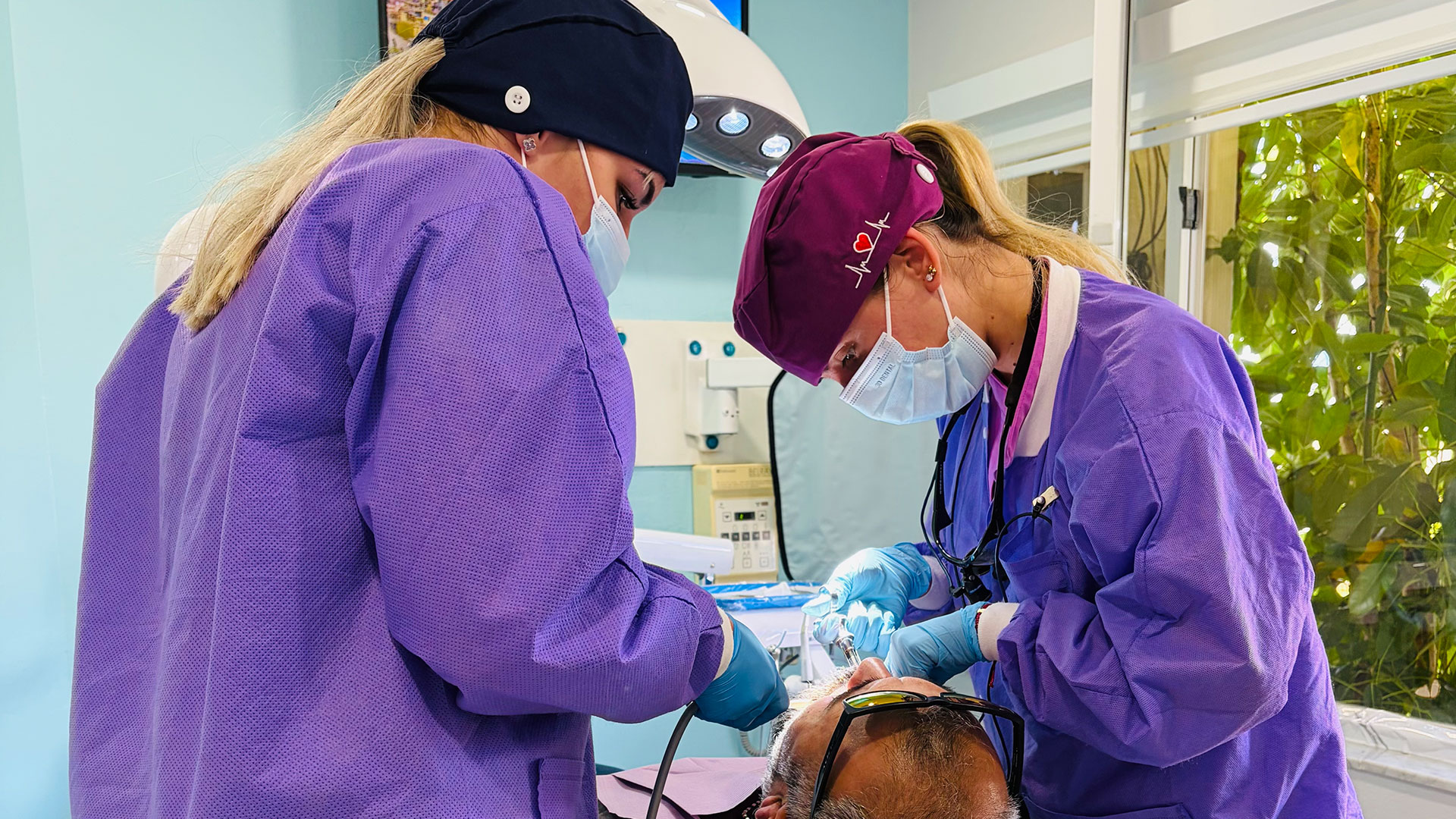
When Should You Seek Emergency Dental Care?
Some dental problems can wait for a routine appointment, while others deserve prompt attention. Pain that keeps getting worse, facial or gum swelling, dental trauma, uncontrolled bleeding, or a badly damaged tooth can signal a problem that needs an urgent evaluation.
People commonly contact our Cape Coral dental office for concerns such as:
- Severe or worsening tooth pain: persistent, throbbing, sharp, or pressure-like discomfort that does not settle down.
- Swelling: tenderness or swelling around a tooth, the gums, jaw, cheek, or face.
- Broken or cracked teeth: damage after biting, an accident, wear, or failure of an older restoration.
- Lost fillings or crowns: a restoration that becomes loose, breaks, or falls out.
- Dental trauma: an injury that chips, loosens, moves, or knocks out a tooth.
- Bleeding that is difficult to control: bleeding after an injury or another oral problem.
- Drainage or a bad taste near a tooth or gum: symptoms that may occur with an infection or inflamed area.
- Pain when biting or chewing: discomfort that makes normal eating difficult.
If you are unsure whether the problem needs urgent dental care, describing your symptoms to the office can help the team understand how quickly you may need an evaluation.
Same-Day Emergency Dental Care in Cape Coral
Dental problems do not always begin at a convenient time. A tooth may start hurting during the workday, a crown can loosen while you are eating, or swelling may appear quickly enough that waiting for a regular appointment does not feel reasonable.
Dental Blush may offer same-day emergency dental care depending on the type of problem, the current schedule, and the amount of time needed to evaluate or treat the concern. We do not guarantee same-day treatment, but our team can review the situation and explain the next available option.
For urgent concerns, contacting the office earlier can give the team more time to understand the symptoms and determine whether an emergency evaluation fits the schedule that day.
Severe Tooth Pain and Toothache
A toothache can have several causes. Deep decay, inflammation inside the tooth, a crack, infection, gum problems, or an issue with an existing restoration can all produce pain. The location or intensity of the discomfort alone cannot show exactly what is happening.
The dentist may recommend an examination and diagnostic imaging to identify the source of the pain. If inflammation or infection affects the tissue inside the tooth, root canal treatment may help preserve the natural tooth when the clinical findings support that option.
Swelling, Infection, and Dental Abscesses
Swelling around a tooth, the gums, jaw, cheek, or face deserves prompt attention. An infection can begin in a tooth, around a root, or in the gum tissues, and the correct treatment depends on the source and severity of the problem.
Other symptoms may include pressure, tenderness, pain when chewing, drainage, fever, or an unpleasant taste. When the gums and supporting tissues contribute to the problem, the dentist may also discuss periodontal care.
Broken Teeth, Cracks, and Damaged Crowns
A tooth can chip or crack after trauma, biting something hard, repeated wear, or failure of an older restoration. Even a small visible break can cause sensitivity or expose a weaker part of the tooth.
The dentist will evaluate how much tooth structure remains and how deeply the damage extends. Treatment may involve bonding, a filling, a dental crown, root canal treatment, or another restorative option based on the findings.
If a filling or crown comes loose or falls out, avoid chewing hard foods on that side until a dentist evaluates the tooth.
Knocked-Out or Injured Teeth
Falls, accidents, sports injuries, and other trauma can loosen, move, fracture, or knock out a tooth. These injuries may affect the root, gums, bone, or nearby teeth even when the visible damage looks limited.
If a permanent tooth gets knocked out, handle it by the crown rather than the root, avoid scrubbing it, keep it moist, and seek dental care as quickly as possible. The American Dental Association provides additional guidance for common dental emergencies.
What to Do Before an Urgent Dental Visit
Simple steps can help protect the area while you arrange professional care:
- Explain what happened: note when symptoms began and whether you have swelling, bleeding, trauma, or a damaged restoration.
- Rinse gently when appropriate: lukewarm water can help clean the mouth after some injuries.
- Avoid chewing on the affected side: this can reduce additional pressure on a painful or damaged tooth.
- Use a cold compress outside the face: this may help with swelling after an injury.
- Keep broken pieces: bring any pieces of a tooth or restoration to the visit when possible.
- Do not place aspirin directly on the gums: direct contact can irritate oral tissues.
These steps provide temporary support. They do not replace a dental examination or treatment for the underlying problem.
What to Expect from an Emergency Dentist in Cape Coral
An Emergency Dentist in Cape Coral visit starts by identifying the source and severity of the problem. The dentist reviews your symptoms, examines the affected area, and gathers the diagnostic information needed to discuss appropriate treatment options.
During an urgent evaluation, the dental team may:
- Review when the symptoms began and how they have changed.
- Examine the affected tooth and nearby gums.
- Look for swelling, drainage, cracks, trauma, or damaged dental work.
- Check bite changes, tenderness, or discomfort with pressure.
- Review relevant dental and health information.
- Use diagnostic imaging when it can provide additional information.
Dental radiographs can help the dentist evaluate areas that are not fully visible during a clinical examination.
After reviewing the findings, the dentist can explain what may be causing the problem, which options make sense, and whether treatment can begin during the urgent visit or should continue at another appointment.
Emergency Dental Treatment Options
Emergency dental treatment depends on the cause of the problem, the condition of the tooth, the surrounding tissues, and the clinical findings. The goal is not to apply the same solution to every dental emergency.
Depending on the situation, treatment may involve:
- A dental filling or bonding.
- Repair or replacement of a damaged restoration.
- A dental crown.
- Root canal treatment.
- Periodontal treatment when gum tissues contribute to the problem.
- Treatment directed at a dental infection.
- Tooth extraction when the clinical condition does not support restoring the tooth.
- Follow-up restorative or tooth replacement planning.
The dentist will explain the findings and appropriate options so you can understand the reason for the recommendation before moving forward whenever circumstances allow.
When a Dental Problem Needs Medical Emergency Care
Some symptoms require medical emergency care rather than waiting for a dental office visit. Call 911 or seek emergency medical care if you have difficulty breathing or swallowing, severe facial or jaw trauma, loss of consciousness, uncontrolled bleeding, or another potentially life-threatening problem.
If you are uncertain whether serious symptoms are dental or medical, prioritize personal safety and seek the appropriate emergency assistance.
Emergency Dental Costs, Insurance, and Financing
An unexpected dental problem can also raise questions about cost. Whenever possible, our team can explain the recommended care, estimated patient responsibility, and available payment information before treatment begins.
Dental Blush works with many PPO dental insurance plans. Benefits for an emergency examination, dental radiographs, restorations, root canal treatment, extractions, or other services depend on the individual plan, deductible, annual maximum, limitations, and coverage rules.
Some Dental Medicare Advantage plans may also include dental benefits. Coverage depends on the specific plan and the services involved.
If additional payment flexibility would help, you can review our dental financing options. Approval, available terms, and payment requirements depend on the financing provider and individual eligibility.
Emergency Dental Care Near Del Prado Blvd S
Dental Blush is at 1227 Del Prado Blvd S, Suite 106, Cape Coral, FL 33990. Our location is convenient for patients throughout Cape Coral, including areas near Caloosahatchee, Hancock, Pelican, and nearby communities.
Our team provides assistance in English and Spanish. Clear communication can be especially helpful during a dental emergency when you need to describe symptoms, understand the findings, and discuss the next step.
You can view our Cape Coral office on Google Maps for directions.
Frequently Asked Questions About Emergency Dental Care
Can an Emergency Dentist in Cape Coral see me the same day?
Same-day emergency appointments may be available depending on your symptoms, the type of dental care you need, and the office schedule. The team can review the concern and explain the next available option.
What should I do if I have severe tooth pain?
Persistent or worsening tooth pain deserves an evaluation because different dental problems can cause similar symptoms. A dentist needs to examine the area before determining the cause and appropriate treatment.
Is facial swelling a dental emergency?
Swelling around a tooth, the gums, jaw, cheek, or face can occur with infection or another urgent dental problem. Seek immediate medical care if swelling affects breathing or swallowing or if other serious symptoms develop.
What should I do if a permanent tooth gets knocked out?
Handle the tooth by the crown, avoid touching or scrubbing the root, keep the tooth moist, and seek dental care promptly.
Do you provide emergency dental care in Spanish?
Yes. Our team provides assistance in English and Spanish so patients can explain symptoms and ask questions about the examination, treatment options, insurance, and payment information more comfortably.
Does dental insurance cover an emergency visit?
Many dental plans provide some benefits for emergency examinations or related treatment, but coverage varies. The deductible, annual maximum, covered procedures, and patient responsibility depend on the individual plan.
Get Help with an Urgent Dental Concern
If you need an Emergency Dentist in Cape Coral for severe tooth pain, swelling, a broken tooth, dental trauma, or another urgent concern, our team can help you understand the next step. Same-day emergency dental care may be available depending on clinical needs and the current schedule.
If writing is more convenient for a non-life-threatening question, you can also send a message through our Contact Us page.
Dental Blush
1227 Del Prado Blvd S, Suite 106
Cape Coral, FL 33990
Phone: (239) 573-4848
Monday-Friday: 8:00 AM-5:00 PM
Saturday: Closed
Sunday: Closed