
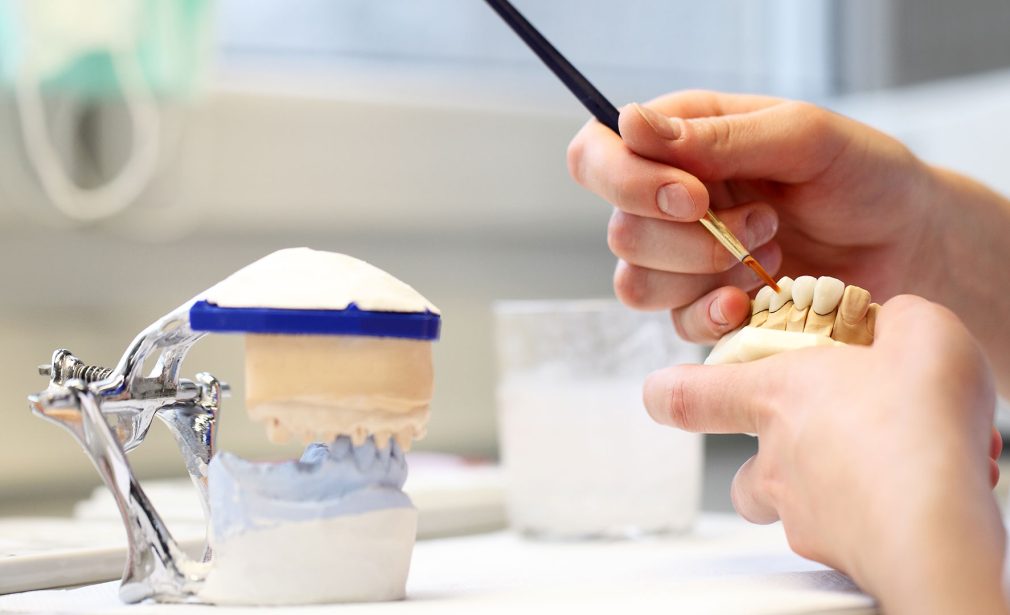
Dentures in Cape Coral for Missing Tooth Replacement
Dentures in Cape Coral at Dental Blush may help replace missing teeth and support eating, speaking, smile appearance, and facial support. The dentist begins by evaluating your gums, remaining teeth, bite, oral health, and tooth replacement goals before recommending an option.
Missing teeth can affect more than the appearance of a smile. Certain foods may become harder to chew, speech may change, and tooth loss can affect the support around the lips and cheeks. A properly planned denture can help restore important everyday functions.
If you have questions about dentures, missing teeth, or different tooth replacement options, our team is happy to help at (239) 573-4848. We provide assistance in English and Spanish.
If you feel ready to request a denture evaluation, you can use our Appointment Today page. Our team can review your request and help determine the appropriate type of visit.
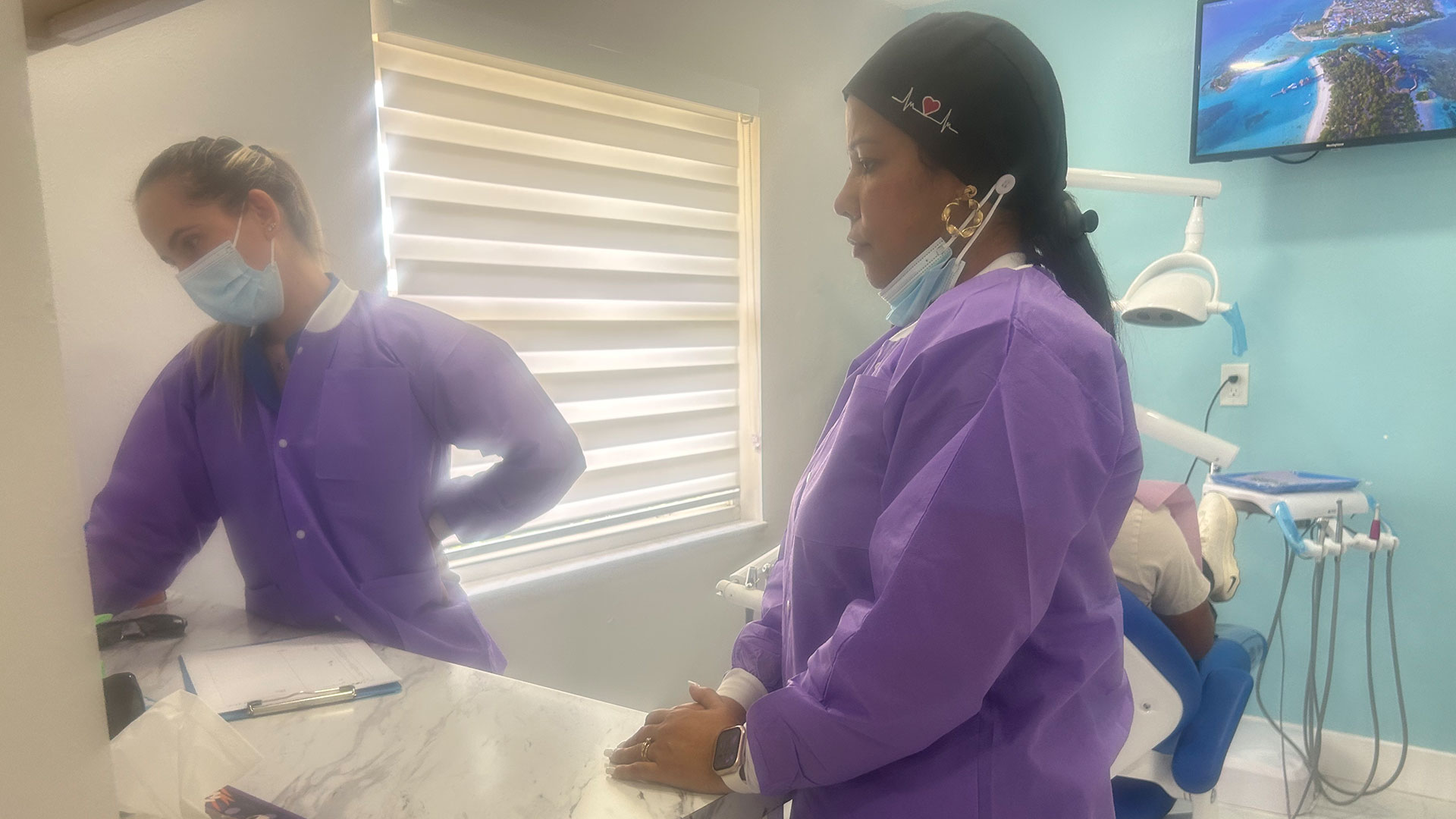
What Are Custom Dentures?
Dentures are removable dental appliances that replace missing teeth. Depending on the clinical situation, they may replace all teeth in an upper or lower arch or only several missing teeth.
The dentist plans the appliance around the patient’s gums, remaining teeth, jaw support, bite, available space, and appearance goals.
A denture should do more than fill an empty space. Its design also needs to work with the patient’s bite, oral tissues, muscles, and daily habits.
For additional patient education, you can review the American Dental Association’s information about dentures.
Full Dentures Cape Coral and Other Denture Options
Patients searching for Full Dentures Cape Coral may also encounter several other denture options. The appropriate choice depends on how many teeth are missing, which natural teeth remain, oral health, gum and bone support, and whether dental implants form part of the treatment plan.
Full or Complete Dentures
Full dentures, also called complete dentures, replace all teeth in an upper arch, lower arch, or both. They rest on the oral tissues and may help restore visible teeth, chewing support, speech, and facial appearance after extensive tooth loss.
Partial Dentures
Partial dentures replace several missing teeth while natural teeth remain elsewhere in the arch. Their design uses the remaining oral structures for support and helps fill spaces created by tooth loss.
Immediate Dentures
When clinically appropriate, the dentist may plan an immediate denture for placement at the time remaining teeth are removed. This approach can provide visible replacement teeth during the initial healing period.
The gums and supporting tissues change as healing progresses, so an immediate denture may need adjustments, relining, or another modification as the mouth changes.
Implant-Supported and Implant-Retained Dentures
Some removable dentures use dental implants for additional support or retention. The number of implants, type of attachment, available bone, oral health, and restorative design influence whether this approach may be appropriate.
Learn more about removable implant-related options on our Overdentures in Cape Coral page.
Benefits of Dentures in Cape Coral
Dentures can restore missing teeth and support several aspects of daily oral function. The experience and benefits vary according to denture type, fit, oral health, anatomy, and the patient’s ability to adapt to the appliance.
Potential benefits may include:
- Replacing missing teeth: dentures may replace several teeth or an entire dental arch.
- Chewing support: a properly fitted denture may help patients eat a broader range of foods than they could comfortably manage without replacement teeth.
- Speech support: replacing missing teeth may help with the pronunciation of certain sounds.
- Facial support: dentures can help support the lips and cheeks after tooth loss.
- Customized appearance: the dental team considers tooth shape, size, shade, and arrangement during planning.
- Removable treatment: patients can remove traditional dentures for cleaning and care.
New dentures often require an adjustment period. Follow-up visits also give the dentist an opportunity to address pressure areas, fit concerns, or changes in the bite.
Denture Fit, Comfort, and Appearance
Many patients wonder whether dentures will feel loose, bulky, or uncomfortable. Several factors influence fit, including gum shape, jaw anatomy, saliva, muscle control, bite, and appliance design.
The dentist evaluates these factors during treatment planning and checks the denture after delivery. Adjustments may help improve pressure areas, bite relationships, and overall comfort.
A new appliance can also feel different at first simply because the tongue, cheeks, and muscles need time to adapt.
Dentures in Cape Coral: What to Expect During the Process
Creating a custom denture usually involves several planned stages. The exact process varies according to the type of denture, remaining teeth, extractions, implant treatment, healing, and individual clinical needs.
- Consultation and examination: the dentist evaluates the gums, bite, remaining teeth, jaw support, oral tissues, and treatment goals.
- Treatment planning: the dentist discusses appropriate complete, partial, immediate, or implant-supported options.
- Impressions or records: detailed measurements provide information about the shape of the mouth and proposed appliance.
- Bite records: the dental team evaluates how the upper and lower jaws come together.
- Smile planning: tooth shape, shade, arrangement, and other appearance considerations may form part of the planning process.
- Denture delivery: the dentist checks fit, bite, appearance, and comfort when the appliance is ready.
- Follow-up adjustments: additional visits may help address pressure areas or changes as the patient adapts.
The treatment sequence may change when extractions, healing, or implant-related care forms part of the overall plan.
Do You Need Tooth Extractions Before Dentures?
Some patients still have natural teeth when they begin discussing dentures. The dentist evaluates whether those teeth can remain healthy and functional or whether severe decay, infection, mobility, fracture, or another problem makes removal more appropriate.
When extractions are necessary, the dentist also considers how healing may affect denture timing, fit, and design.
Our Tooth Extraction in Cape Coral page explains how the dentist evaluates teeth before recommending removal.
Traditional Dentures vs. Implant-Supported Options
Traditional removable dentures and implant-supported restorations can both replace missing teeth, but they use different methods of support.
Traditional Removable Dentures
Traditional dentures rest primarily on the oral tissues. Their stability depends on fit, anatomy, muscle control, saliva, bite, and appliance design.
Implant-Supported Dentures
Implant-supported or implant-retained dentures connect to dental implants and may provide additional retention or stability for qualifying patients.
Other Dental Implant Restorations
Dental implants may also support individual crowns, bridges, or other restorations. Implant treatment requires an evaluation of oral health, bone support, medical history, restorative needs, and healing considerations.
Patients comparing tooth replacement options can learn more on our Dental Implants Cape Coral page.
Adjusting to New Dentures
Learning to use new dentures often takes time and practice. At first, patients may notice increased saliva, mild pressure, changes in speech, or difficulty chewing certain foods.
The following habits may help during the adjustment period:
- Begin with manageable foods: choose foods that are easier to chew while learning how the appliance feels.
- Use both sides when appropriate: balanced chewing may help improve denture stability.
- Practice speaking: reading aloud can help the tongue and facial muscles adapt to the new tooth positions.
- Attend adjustment visits: tell the dentist about sore areas, pressure, looseness, or bite concerns.
- Avoid adjusting the appliance yourself: filing, bending, or altering a denture at home can damage it or make the fit worse.
Contact the office if the appliance causes persistent pain, sores, significant instability, or difficulty with normal function.
How to Clean and Care for Dentures
Daily denture care helps remove food particles, plaque, and stains while supporting the health of the gums and other oral tissues.
- Rinse dentures: remove loose food and debris before brushing them.
- Clean them daily: use a denture brush or appropriate soft brush with a cleaner recommended for dentures.
- Avoid abrasive products: ordinary abrasive toothpaste or harsh household cleaners may damage denture surfaces.
- Handle dentures carefully: clean them over a folded towel or a basin with water to reduce the chance of damage if they fall.
- Clean your mouth: gently clean the gums, tongue, palate, and any remaining natural teeth.
- Store dentures properly: follow the instructions provided for keeping them moist and protected when you are not wearing them.
Follow the dentist’s instructions about how long to wear your dentures each day and when to remove them. Regular dental visits remain important because the dentist still needs to examine the oral tissues, bite, appliance condition, and fit.
When Dentures Need Adjustments or Relining
The gums and jawbone naturally change after tooth loss. Over time, these changes can affect the way a denture fits even when the appliance originally felt comfortable.
An adjustment addresses specific areas that create pressure or discomfort. A reline changes the surface that contacts the gums to improve adaptation to the current shape of the mouth.
Contact the office if your denture becomes noticeably loose, creates sores, affects speech, changes your bite, or makes chewing increasingly difficult.
Denture Cost, Insurance, and Financing
Denture costs depend on the type of appliance, number of missing teeth, materials, examinations, diagnostic needs, extractions, adjustments, and whether implant treatment forms part of the plan.
PPO dental insurance or Medicare Advantage dental benefits may help with eligible denture-related treatment depending on the individual plan. Coverage percentages, annual maximums, waiting periods, network requirements, exclusions, and patient responsibility vary.
Our team can review available insurance information and discuss estimated costs whenever possible before treatment begins.
If additional payment flexibility would be helpful, our Dental Financing Cape Coral page explains third-party financing options available to qualifying applicants.
Denture Care Near Del Prado Blvd S
You can find Dental Blush at 1227 Del Prado Blvd S, Suite 106, Cape Coral, FL 33990, on Del Prado Blvd S in Cape Coral.
Our location is convenient for patients throughout Cape Coral, including areas near Caloosahatchee, Hancock, Pelican, and nearby communities.
We speak English and Spanish. Hablamos inglés y español. Our team can help with denture consultations, tooth replacement options, insurance information, estimated costs, financing, adjustments, and care questions.
You can view our Cape Coral office on Google Maps for directions.
Frequently Asked Questions About Dentures in Cape Coral
What is the difference between full and partial dentures?
Full dentures replace all teeth in an upper or lower arch. Partial dentures replace several missing teeth while some natural teeth remain.
How long does it take to get used to new dentures?
The adjustment period varies. Patients may initially notice changes in speech, chewing, saliva, or pressure while the tongue, cheeks, and other oral tissues adapt to the appliance.
Can I eat normally with dentures?
Dentures can improve chewing after tooth loss, but they do not function exactly like natural teeth. Patients often benefit from starting with manageable foods and gradually adapting their eating habits according to the fit and type of appliance.
What are immediate dentures?
Immediate dentures provide replacement teeth at the time remaining teeth are removed when the treatment plan allows. Because the gums and supporting tissues change during healing, the appliance may require adjustments or relining afterward.
Are implant-supported dentures different from regular dentures?
Yes. Traditional dentures rely primarily on the oral tissues for support, while implant-supported or implant-retained options connect to dental implants for additional support or retention.
How long can dentures last?
No single lifespan applies to every denture. Changes in the gums and jawbone, appliance wear, bite, daily care, and other factors may eventually create a need for adjustment, relining, repair, or replacement.
How much do dentures cost?
Cost depends on the denture type, number of missing teeth, materials, required dental treatment, insurance benefits, and whether implants form part of the plan. An evaluation allows the team to discuss costs based on the actual treatment recommendation.
Do you provide assistance in Spanish?
Yes. Our Cape Coral team provides assistance in English and Spanish for denture consultations, treatment options, costs, insurance questions, financing, adjustments, and care information.
Questions About Dentures in Cape Coral?
If you are considering dentures because you are missing several teeth or an entire dental arch, our team can evaluate your oral health, explain the available tooth replacement options, and help you understand the differences between traditional and implant-supported treatment.
If writing is more convenient for a general question, you can send our team a message through the Contact Us page.
Dental Blush
1227 Del Prado Blvd S, Suite 106
Cape Coral, FL 33990
Phone: (239) 573-4848
Monday-Friday: 8:00 AM-5:00 PM
Saturday: Closed
Sunday: Closed
Humana Dental Insurance


Aetna Dental Insurance


Cigna Dental Insurance


Blue Cross Blue Shield Dental Insurance


Ameritas Dental Insurance


UnitedHealthcare Dental Insurance