Oral Hygiene in Miami: Building a Better Daily Routine
Good Oral Hygiene in Miami starts with a routine you can follow consistently. Brushing, cleaning between the teeth, using appropriate dental products, and paying attention to changes in your gums can all support long-term oral health. At Dental Blush, we encourage patients to focus on simple habits rather than complicated routines.
Daily care helps control plaque before it builds up around the teeth and gumline. It also gives you an opportunity to notice changes such as bleeding gums, new sensitivity, persistent bad breath, or areas that become difficult to keep clean.
This guide covers practical brushing and interdental cleaning habits, common mistakes, and signs that may indicate it is time for a professional evaluation.
Why Does Daily Oral Hygiene Matter?
Plaque is a soft film that continually forms on the teeth. Bacteria in plaque can interact with sugars and produce acids that affect tooth enamel.
Plaque can also accumulate around the gumline. Without effective removal, the gums may become irritated, red, swollen, or more likely to bleed.
Daily Dental Hygiene in Miami does not need to be complicated. A consistent routine, done correctly, usually matters more than adding products you may not need.
What Should a Daily Oral Hygiene Routine Include?
A practical home routine should address both the visible tooth surfaces and the areas between the teeth.
- Brush twice daily: Use fluoride toothpaste and spend about two minutes cleaning all tooth surfaces.
- Use a soft-bristled toothbrush: Gentle cleaning can remove plaque without unnecessary pressure on the gums.
- Clean between the teeth daily: Floss or another appropriate interdental cleaner can reach areas that toothbrush bristles may miss.
- Replace a worn toothbrush: Change your toothbrush approximately every three to four months or sooner if the bristles become frayed.
- Limit frequent sugary snacks and drinks: Reducing repeated sugar exposure can help lower the conditions that contribute to tooth decay.
- Keep regular dental visits: Professional care can identify plaque, tartar, gum changes, cavities, and other concerns that may not be obvious at home.
A good Oral Hygiene in Miami routine does not have to look exactly the same for everyone. Dental work, gum condition, dexterity, and individual needs can affect which tools are easiest to use consistently.
How Should You Brush Your Teeth?
Effective brushing depends more on technique and consistency than force.
Place a soft-bristled toothbrush near the gumline at approximately a 45-degree angle. Use gentle, short movements to clean the outer, inner, and chewing surfaces of the teeth.
Avoid aggressive scrubbing. Brushing harder does not necessarily clean better and may irritate the gum tissue.
Take enough time to reach the back teeth and other areas that are easy to miss. A two-minute brushing routine can make it easier to clean the mouth systematically instead of rushing through the process.
Consistent brushing is one of the foundations of good Dental Hygiene in Miami, but technique matters just as much as how often you pick up the toothbrush.
Why Is Fluoride Toothpaste Important?
Fluoride toothpaste is an important part of routine cavity prevention. Fluoride helps strengthen tooth enamel and supports the remineralization process.
Using fluoride toothpaste twice daily combines mechanical plaque removal from brushing with the protective effects of fluoride.
For many patients, fluoride toothpaste is a simple part of maintaining Oral Hygiene in Miami without making the home-care routine unnecessarily complicated.
Specific fluoride products or concentrations may be recommended for certain dental needs. Ask your dentist if you have questions about which toothpaste is appropriate for you.
Why Cleaning Between Your Teeth Matters
A toothbrush cannot effectively reach every surface between adjacent teeth. This is why interdental cleaning remains an important part of Oral Hygiene in Miami.
Traditional dental floss is one option, but it is not the only one. Interdental brushes, water flossers, and other products may work better for certain spaces, restorations, or individual needs.
If you use traditional floss, guide it gently between the teeth rather than snapping it into the gums. Curve the floss around the side of each tooth and clean carefully along the surface.
The best interdental method is one that fits your mouth, dental work, and ability to use it correctly and consistently.
Should You Floss Before or After Brushing?
Either sequence can work as long as you clean thoroughly.
Some people prefer to floss first and brush afterward. Others find it easier to brush before using floss or another interdental cleaner.
Consistency matters more than the order. For effective Dental Hygiene in Miami, the important part is making interdental cleaning a routine you can maintain every day.
What About Water Flossers and Interdental Brushes?
Traditional floss can work well when the spaces between teeth allow it. However, other tools can also help remove plaque and debris from hard-to-reach areas.
Interdental brushes may be useful around certain spaces, orthodontic appliances, bridges, or other dental work. Water flossers provide another option for people who find traditional floss difficult to use.
Your dental team can help you choose an interdental method that fits your specific needs. The goal of Oral Hygiene in Miami is not to use every available product, but to find methods that you can perform effectively and consistently.
How Often Should You Replace Your Toothbrush?
A toothbrush gradually becomes less effective as its bristles wear.
A general recommendation is to replace it approximately every three to four months. Change it sooner if the bristles become visibly frayed or worn.
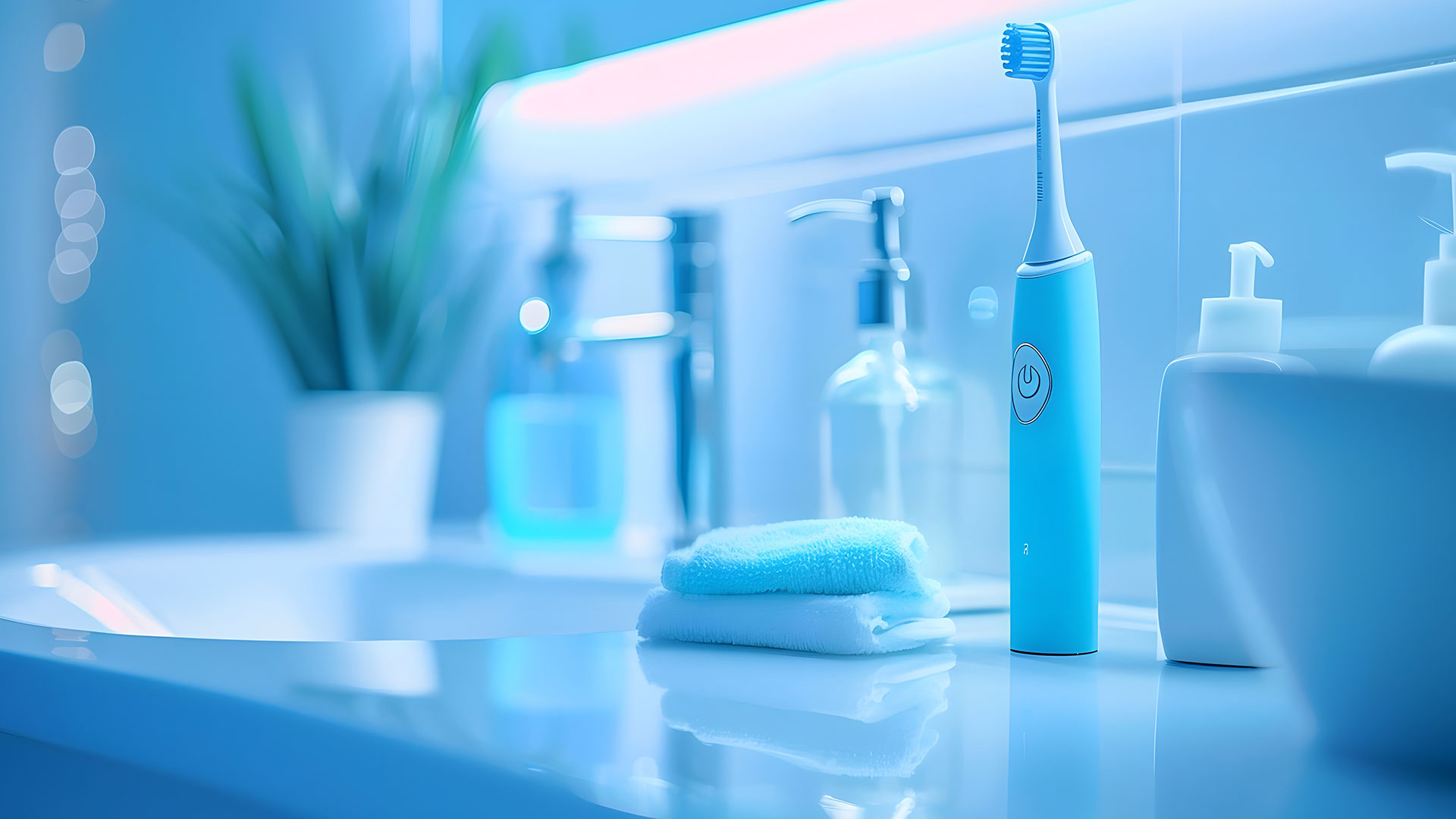
The same principle applies to replaceable brush heads on powered toothbrushes. Follow the manufacturer’s instructions and monitor the condition of the bristles.
Common Oral Hygiene Mistakes
A good routine does not require perfection, but a few common habits can make plaque control more difficult.
- Brushing too quickly
- Using excessive pressure
- Consistently missing the back teeth or gumline
- Skipping interdental cleaning
- Keeping a toothbrush long after the bristles become worn
- Relying on mouthwash as a substitute for brushing and interdental cleaning
- Ignoring recurring bleeding, sensitivity, or discomfort
Improving one part of your routine at a time can often be easier than trying to change everything at once. Sustainable Dental Hygiene in Miami is usually built through small habits that become part of everyday life.
Questions About Your Daily Routine?
It is common to have questions about brushing technique, flossing, water flossers, toothpaste, bleeding gums, or which products are appropriate for your particular dental needs.
If you would like to ask our team a question before deciding whether you need an appointment, you can contact Dental Blush. We are happy to help you better understand your daily care routine and when a professional evaluation may be useful.
What Does Bleeding During Brushing or Flossing Mean?
Don’t ignore frequent gum bleeding. Plaque-related gum inflammation is one possible cause, although brushing technique, periodontal disease, medications, and other factors may also contribute.
If you recently started cleaning between teeth more consistently, irritated gums may bleed initially. Persistent or recurrent bleeding still deserves attention.
Good Oral Hygiene in Miami includes paying attention to changes in the gums rather than assuming that repeated bleeding is always normal.
Our Bleeding Gums in Miami guide explains common causes and warning signs in greater detail.
Can Home Oral Hygiene Remove Tartar?
No. Daily brushing and interdental cleaning help remove soft plaque, but plaque can eventually harden into tartar or calculus.
Once hardened deposits form, professional dental instruments are needed to remove them safely.
This is one reason home Dental Hygiene in Miami and professional preventive care work together rather than replacing one another.
For information about professional preventive visits, read our Teeth Cleaning in Miami page.
How Often Should You Have a Professional Cleaning?
There is no single cleaning schedule that fits every person.
The appropriate interval can depend on gum health, cavity risk, plaque and tartar accumulation, previous dental treatment, medical considerations, and other individual factors.
Your dental team can recommend a preventive schedule based on your current oral health instead of assuming that everyone needs exactly the same frequency.
Professional visits complement Oral Hygiene in Miami by allowing the dental team to evaluate areas that may not be easy to assess through home care alone.
Can Diet Affect Your Oral Hygiene Routine?
Daily cleaning and diet work together when protecting the teeth.
Frequent exposure to sugary foods and drinks gives oral bacteria more opportunities to produce acids. Limiting repeated sugary snacks and choosing a balanced diet can support your overall preventive routine.
Water is also a practical beverage choice throughout the day because it doesn’t expose teeth to added sugar.
Diet does not replace brushing or interdental cleaning, but it can support the same goals as consistent Dental Hygiene in Miami.
Frequently Asked Questions About Oral Hygiene in Miami
How Often Should I Brush My Teeth?
Brush twice daily for about two minutes using fluoride toothpaste and a soft-bristled toothbrush.
Regular brushing is one of the simplest parts of maintaining good Oral Hygiene in Miami.
How Often Should I Clean Between My Teeth?
Clean between your teeth once each day using floss or another interdental cleaner that works well for your dental needs.
Daily interdental cleaning complements brushing as part of a complete dental hygiene routine in Miami.
How Often Should I Replace My Toothbrush?
Replace your toothbrush approximately every three to four months. Change it sooner when the bristles become frayed or visibly worn.
Is Floss the Only Way to Clean Between Teeth?
No. Floss, interdental brushes, water flossers, and other interdental cleaners can help reach areas between teeth.
The best choice for your Oral Hygiene in Miami routine depends on your mouth, dental work, and ability to use the product consistently.
Can Brushing at Home Remove Tartar?
No. Brushing can remove soft plaque but cannot remove hardened tartar. Professional dental cleaning is needed once tartar has formed.
Home Dental Hygiene in Miami remains important because controlling plaque can help reduce accumulation before it hardens.
Should I Stop Flossing If My Gums Bleed?
Not automatically. Use a gentle technique and watch for whether the bleeding continues.
A dental professional should evaluate persistent bleeding because several factors can affect the gums.
Does Everyone Need a Dental Cleaning Every Six Months?
Not necessarily. Preventive schedules can vary according to gum health, cavity risk, previous dental history, and individual professional recommendations.
Your home Oral Hygiene in Miami routine and your professional cleaning schedule work together, but one does not automatically determine the other.
Where Can I Learn More About Daily Oral Care?
The American Dental Association’s home oral care resource provides additional information about brushing, fluoride toothpaste, interdental cleaning, and preventive habits.
Dental Blush in Miami
Patients with questions about Oral Hygiene in Miami can visit Dental Blush at 12260 SW 8th St, Suite 226, Miami, FL 33184, inside InterPlaza Shopping Center in the Tamiami area.
For directions, open our Dental Blush location on Google Maps.
Have Questions About Your Daily Oral Care Routine?
Improving Oral Hygiene in Miami does not require an overly complicated routine. Consistent brushing, cleaning between the teeth, appropriate preventive care, and attention to changes in your mouth can make daily dental care easier to manage.
If you would like to speak with our team about your oral hygiene or something you have noticed, call (305) 553-0666. We are happy to answer your questions in English or Spanish.
When you’re ready to have your oral health evaluated, you can request a visit through our Appointment Today page.