Wisdom Tooth Removal in Miami: Signs That Deserve an Evaluation
Wisdom Tooth Removal in Miami may become a consideration when a back molar causes repeated pain, swelling, pressure, difficulty cleaning, or other dental problems. At Dental Blush, an evaluation can help determine whether a wisdom tooth needs removal or simply needs continued monitoring.
Wisdom teeth, also called third molars, are the last teeth to develop in the back of the mouth. Some erupt normally and remain healthy. Others do not have enough room to fully emerge or develop in a position that makes cleaning difficult.
This guide explains common warning signs, what an impacted wisdom tooth means, how dentists evaluate these teeth, and what you may expect if extraction becomes appropriate.
What Are Wisdom Teeth?
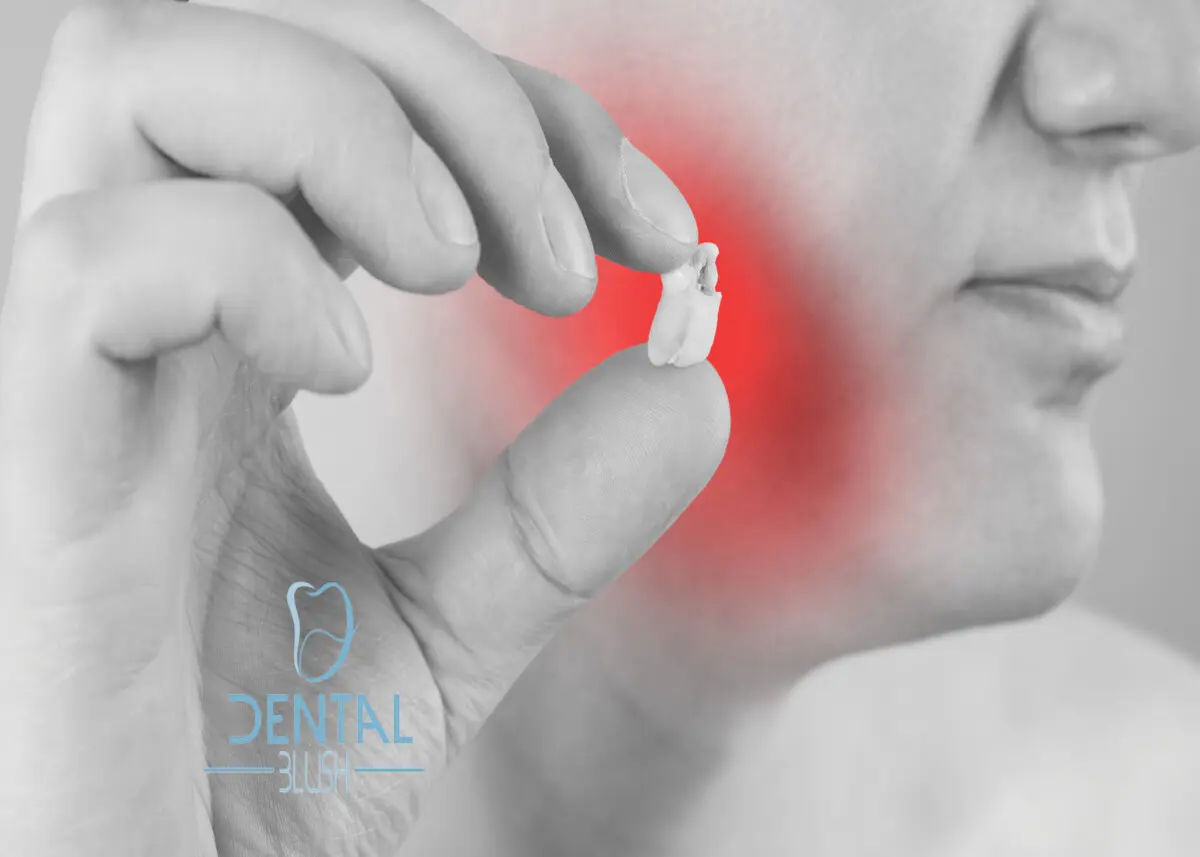
Wisdom teeth are third molars located at the very back of the mouth. They usually develop later than the other permanent teeth.
Some wisdom teeth erupt completely and function without causing problems. In other cases, a tooth may remain partly or completely below the gumline.
The position of the tooth matters because it can affect cleaning, nearby teeth, gum tissue, and treatment planning.
What Is an Impacted Wisdom Tooth?
An impacted wisdom tooth cannot fully erupt into a normal position. Limited space, surrounding bone, gum tissue, or another tooth’s position may interfere with eruption.
Not every impacted wisdom tooth causes immediate symptoms. Some are discovered during a routine examination or on dental imaging.
Other impacted teeth can become difficult to clean or develop problems involving the surrounding gums and neighboring teeth. An evaluation can help determine whether monitoring or Wisdom Tooth Removal in Miami may be appropriate.
Common Signs That a Wisdom Tooth Needs Evaluation
Symptoms can vary. Pain is one possible warning sign, but it is not the only reason to have a wisdom tooth examined.
Possible signs include:
- Pain or pressure near the back of the jaw
- Tender or swollen gums around a wisdom tooth
- Difficulty cleaning behind the last molar
- Food repeatedly becoming trapped in the area
- An unpleasant taste or persistent bad breath associated with the area
- Difficulty opening the mouth comfortably
- Decay involving the wisdom tooth or nearby tooth
- Recurring inflammation around a partially erupted wisdom tooth
These signs do not automatically mean extraction is necessary. A dentist needs to evaluate the tooth and surrounding structures first.
Do All Wisdom Teeth Need to Be Removed?
No. A wisdom tooth does not automatically need extraction simply because it is present.
A fully erupted tooth that functions normally, remains healthy, can be cleaned effectively, and does not damage nearby structures may be monitored instead of removed.
Monitoring is still important because conditions can change over time. Regular examinations and dental imaging when clinically appropriate help the dentist watch for new problems.
For patients considering Wisdom Tooth Removal in Miami, the decision should be based on the tooth’s condition and position rather than a general rule that every wisdom tooth needs to be removed.
When May Wisdom Tooth Removal Be Recommended?
A dentist may discuss Wisdom Tooth Extraction in Miami when the benefits of removal outweigh the reasons for continued monitoring.
Possible reasons include:
- Repeated pain or inflammation
- Infection around the wisdom tooth
- Tooth decay that is difficult to restore or maintain
- Periodontal problems around the tooth
- Damage to a neighboring tooth
- Certain cysts or other pathology associated with the tooth
- A position that creates another significant dental concern
The decision should depend on the individual findings rather than a general rule that every wisdom tooth must come out.
How Does a Dentist Evaluate Wisdom Teeth?
The evaluation begins with your symptoms and dental history. The dentist also examines the gums, nearby teeth, and the area behind the last molars.
Dental imaging can provide information not visible during a visual examination alone. It may show the position of an impacted tooth, root development, surrounding bone, and nearby structures.
To learn more about diagnostic imaging, visit our Dental Radiographs in Miami page.
After reviewing the findings, the dentist can explain whether monitoring, Wisdom Tooth Removal in Miami, or referral for additional evaluation may be appropriate.
Questions Before Deciding About Treatment?
It is reasonable to have questions before deciding whether to remove a wisdom tooth. You may be unsure whether your symptoms are related to the tooth, whether the tooth can simply be monitored, or what type of extraction might be necessary.
If you would like to ask us a question before deciding what to do next, you can contact Dental Blush. Our team is happy to listen to what you have been experiencing and help you understand an appropriate next step.
Simple and Surgical Wisdom Tooth Extractions Are Different
Not every wisdom tooth is removed in exactly the same way.
A tooth that has erupted into the mouth may sometimes require a more straightforward extraction. An impacted tooth beneath gum tissue or bone can require a surgical approach.
Root position and surrounding anatomy can also affect treatment planning.
Before Wisdom Tooth Extraction in Miami, the dental professional should explain what type of extraction is being considered and whether referral to an oral and maxillofacial surgeon may be appropriate for the case.
What Happens During Wisdom Tooth Removal?
The exact procedure for Wisdom Tooth Removal in Miami depends on the position of the tooth and its level of impaction.
The treatment process may include:
- Evaluation: The dentist reviews the tooth, surrounding tissues, symptoms, and diagnostic imaging.
- Anesthesia planning: The appropriate approach depends on the procedure and individual clinical needs.
- Access to the tooth: An impacted tooth may require additional access through the gum tissue or surrounding bone.
- Removal: The tooth is removed according to its position and anatomy.
- Aftercare: The dental professional provides instructions for protecting the extraction site during healing.
The procedure can vary considerably from one wisdom tooth to another. An examination and imaging provide the information needed for individual planning.
What Should You Expect During Recovery?
Soreness, swelling, and light bleeding can occur during the first days after Wisdom Tooth Extraction in Miami. The amount varies by procedure and individual healing.
Your dental professional will provide specific instructions for managing discomfort, eating, cleaning the mouth, and protecting the surgical site.
Follow those instructions, even if they differ from general information found online.
How Can You Protect the Extraction Site?
The blood clot that forms in the extraction site plays an important role during early healing. Avoiding unnecessary disruption of that area can help protect the healing process.
General aftercare may include:
- Resting and limiting strenuous activity as instructed
- Choosing softer foods during the early healing period
- Drinking directly from a cup instead of using a straw
- Avoiding smoking and tobacco during healing
- Cleaning the mouth carefully without traumatizing the extraction site
- Using medications only as instructed by the treating professional
- Attending recommended follow-up appointments
Following the instructions provided after Wisdom Tooth Removal in Miami can help protect the extraction site while early healing takes place.
Why Should You Avoid Straws After an Extraction?
Suction from a straw can disturb the blood clot that protects the extraction site during early healing.
Disruption or loss of that clot can contribute to a painful complication commonly called dry socket.
Your dental professional will tell you how long to avoid straws and when you can return to your usual eating and drinking habits.
When Should You Call After Wisdom Tooth Removal?
Some discomfort during early recovery can be expected. Symptoms should generally improve rather than worsen.
After Wisdom Tooth Extraction in Miami, contact the treating dental professional if you experience severe or persistent pain, excessive bleeding, worsening swelling, signs of infection, or another symptom that concerns you.
Follow the specific emergency instructions given after your procedure.
When Wisdom Tooth Pain Needs Faster Evaluation
Wisdom tooth discomfort does not always represent an emergency. However, some symptoms deserve prompt attention.
Evaluate promptly for significant facial or jaw swelling, rapidly increasing pain, fever, drainage, or increasing difficulty opening your mouth.
Difficulty breathing or swallowing requires urgent medical attention.
For significant dental pain, swelling, or another urgent dental concern, review our Emergency Dentist in Miami information.
Frequently Asked Questions About Wisdom Tooth Removal in Miami
Does Every Impacted Wisdom Tooth Need Extraction?
No. The appropriate approach depends on symptoms, disease, tooth position, nearby structures, ability to keep the area clean, and other clinical findings.
Some patients considering Wisdom Tooth Removal in Miami may learn after an evaluation that continued monitoring is appropriate instead.
Can an Impacted Wisdom Tooth Cause No Pain?
Yes. Some impacted wisdom teeth produce no obvious symptoms. Dental examinations and imaging can identify teeth that have not fully erupted and help monitor their condition.
Lack of pain alone does not determine whether Wisdom Tooth Extraction in Miami is necessary.
Is Wisdom Tooth Extraction the Same as Wisdom Tooth Removal?
Yes. People commonly use both terms to describe removing a third molar.
The actual procedure for Wisdom Tooth Removal in Miami can vary depending on whether the tooth has erupted or remains impacted.
How Long Does Recovery Take?
Recovery varies. Pain and swelling commonly affect the early days, while gum and bone healing continue longer.
Follow the instructions provided for your specific procedure because recovery after Wisdom Tooth Extraction in Miami can differ according to the position of the tooth and complexity of treatment.
Can I Use a Straw After Wisdom Tooth Extraction?
Avoid straws during the early healing period unless your treating professional tells you otherwise. Suction can disturb the blood clot that protects the extraction site.
Can I Smoke After Wisdom Tooth Removal?
Smoking can interfere with healing and increase the risk of complications.
Follow your dental professional’s instructions about avoiding tobacco before and after Wisdom Tooth Removal in Miami.
Can a Wisdom Tooth Damage the Tooth Next to It?
An impacted or poorly positioned wisdom tooth can sometimes contribute to problems involving a neighboring molar.
Dental imaging helps the dentist evaluate that relationship before determining whether monitoring or removal is appropriate.
How Do I Know If My Wisdom Tooth Should Be Removed?
A dental examination and appropriate imaging are the best starting points.
Before recommending Wisdom Tooth Extraction in Miami, the dentist can evaluate symptoms, tooth position, gum health, decay, nearby teeth, and other clinical factors.
Dental Blush in Miami
Patients with questions about Wisdom Tooth Removal in Miami can visit Dental Blush at 12260 SW 8th St, Suite 226, Miami, FL 33184, inside InterPlaza Shopping Center in the Tamiami area.
For directions, open our Dental Blush location on Google Maps.
Have Questions About a Wisdom Tooth?
If you have recurring pain, swelling, pressure, or difficulty keeping a wisdom tooth clean, an evaluation can help determine whether continued monitoring or Wisdom Tooth Removal in Miami may be appropriate.
If you would like to speak with our team about what you have been noticing, call (305) 553-0666. We are happy to answer your questions in English or Spanish.
When you’re ready to have the area evaluated, you can request a visit through our Appointment Today page.