Dry Mouth in Cape Coral: Why It Happens and Why Saliva Matters
Dry Mouth in Cape Coral can cause more than temporary thirst. Saliva keeps the mouth moist and helps with chewing and swallowing. It also washes food particles from the teeth, neutralizes acids, and protects oral tissues. At Dental Blush, a dental evaluation can help identify how persistent dryness is affecting the teeth, gums, tongue, and other areas of the mouth.
Some people notice dryness only occasionally, such as during stress or after not drinking enough fluids. Others experience a sticky mouth, frequent thirst, difficulty swallowing, altered taste, bad breath, or dryness that returns throughout the day or night.
If persistent oral dryness is affecting eating, speaking, sleeping, or everyday comfort, our team is happy to answer questions at (239) 573-4848. We provide assistance in English and Spanish.
What Is Dry Mouth?
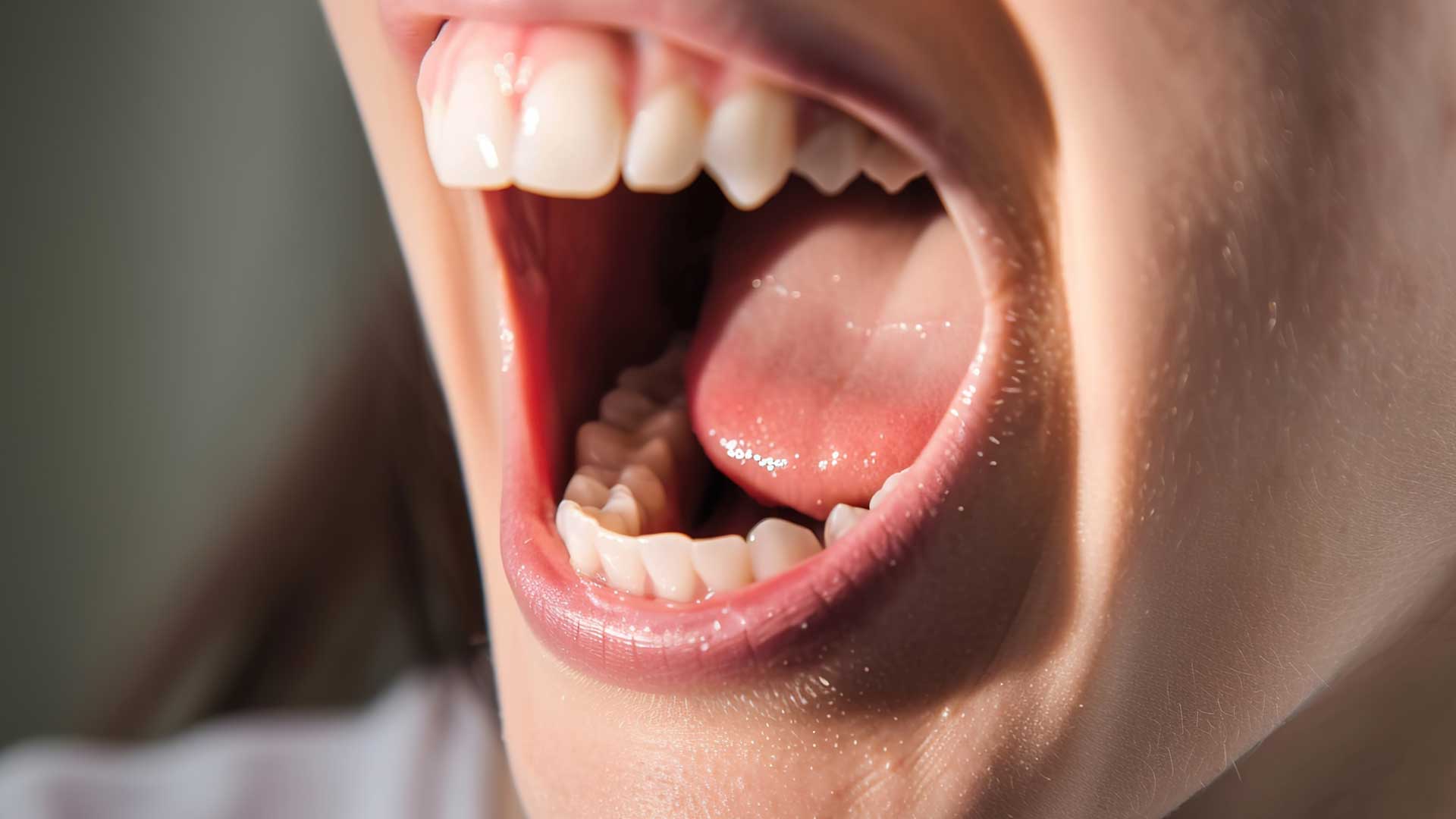
Dry mouth is also called xerostomia. It describes the sensation that the mouth lacks enough moisture or saliva.
Feeling dry does not always mean the salivary glands have stopped producing a normal amount of saliva. Xerostomia describes the patient’s feeling of dry mouth. Reduced measurable saliva flow is called hyposalivation. The two can occur together, but they are not exactly the same condition.
Persistent symptoms deserve attention because saliva performs several protective functions. It lubricates oral tissues, helps with chewing and swallowing, clears food and sugars from the mouth, buffers acids, and contributes minerals that help protect tooth surfaces.
The National Institute of Dental and Craniofacial Research explains that persistent dry mouth can increase the risk of tooth decay and oral infections while making chewing, swallowing, and speaking more difficult.
Common Signs of Dry Mouth in Cape Coral
Dry mouth does not feel the same for everyone. Some symptoms involve obvious dryness, while others appear because saliva no longer protects and lubricates the mouth as effectively.
Possible symptoms include:
- Dry or sticky mouth: the cheeks, tongue, or other tissues may feel unusually dry.
- Frequent thirst: drinking water may temporarily improve comfort but won’t fully resolve the problem.
- Dry or cracked lips: reduced moisture can affect the lips and corners of the mouth.
- Rough or dry tongue: the tongue may feel uncomfortable or different from normal.
- Difficulty chewing or swallowing: dry foods may become especially difficult to manage.
- Changes in taste: food may taste different when oral moisture changes.
- Bad breath: reduced saliva can allow debris and bacteria to remain in the mouth longer.
- Burning or irritation: oral tissues may become sore or uncomfortable.
- Mouth sores: reduced lubrication can make tissues more vulnerable to irritation.
- Increased cavities or sensitivity: losing saliva’s protective effects can put teeth at greater risk.
Why Does Dry Mouth Happen?
Dry mouth can have many causes. Common contributors include medications, dehydration, mouth breathing, certain health conditions, cancer treatment, tobacco, and alcohol. Sometimes more than one factor is involved.
Medications Are a Common Cause
Many prescription and over-the-counter medications can contribute to dry mouth. Examples include certain antihistamines, decongestants, antidepressants, blood pressure medications, diuretics, pain medications, muscle relaxants, and medications used for other health conditions.
The American Dental Association identifies medication use as one of the most frequent contributors to reduced salivary function. Patients who take several medications may be more likely to experience dryness.
Do not stop, change, or reduce a prescribed medication for dry mouth without speaking with the healthcare professional who manages it. Instead, tell both the dentist and prescribing professional about persistent symptoms.
Dehydration and Fluid Loss
Dehydration can temporarily make the mouth feel dry. Fluid loss from physical activity, illness, fever, vomiting, diarrhea, or inadequate fluid intake may contribute.
In a warm climate such as Cape Coral, staying hydrated can be especially important during outdoor activity. However, drinking more water may not solve persistent dry mouth. Medications, reduced salivary gland function, mouth breathing, or another condition may also contribute.
Mouth Breathing and Nighttime Dryness
Breathing through the mouth can dry the tongue and other oral tissues. Nasal congestion, snoring, sleeping habits, or airway concerns may make mouth breathing more likely.
Dryness often feels stronger during sleep because saliva production naturally decreases at night. Mouth breathing can make the sensation even more noticeable.
Medical Conditions and Cancer Treatment
Several medical conditions can contribute to dry mouth. Examples include Sjögren disease, diabetes, certain infections, and other conditions that affect salivary function.
Radiation involving the head and neck can damage salivary glands, while some cancer treatments can change saliva consistency or production.
A dentist can identify oral findings associated with dryness, but medical causes may require evaluation by the appropriate healthcare professional.
Tobacco, Alcohol, and Caffeine
Tobacco and alcohol can irritate oral tissues and may worsen dryness. Large amounts of caffeine can also make symptoms more noticeable for some people.
Reducing substances that irritate or dry the mouth may improve comfort, although lifestyle changes alone will not correct every cause of xerostomia.
Why Saliva Is So Important for Your Teeth
Saliva constantly helps protect the mouth. It washes away food particles, clears sugars, buffers acids produced by oral bacteria, lubricates tissues, and provides minerals that support tooth surfaces.
When saliva decreases, acids and food debris can remain in contact with teeth longer. As a result, persistent dry mouth can create an environment where cavities and demineralization develop more easily.
The ADA also identifies tooth sensitivity and oral infections as potential complications of reduced salivary flow.
How Dry Mouth in Cape Coral Can Increase Cavity Risk
Dry Mouth in Cape Coral deserves attention when new cavities begin appearing or existing teeth become more sensitive. Reduced saliva means the mouth loses part of its normal system for neutralizing acids and clearing food debris.
Decay may develop in areas that previously remained stable, including around the gumline or exposed root surfaces. Existing restorations also need monitoring because recurrent decay can develop around dental work.
Professional preventive care cannot restore normal saliva production on its own, but it can help the dentist monitor plaque, gum condition, tooth surfaces, restorations, and new areas of decay. Our Teeth Cleaning in Cape Coral page explains the role of professional preventive care.
Can Dry Mouth Affect Your Gums?
Reduced saliva can affect more than tooth enamel. Oral tissues may become irritated, while plaque and food debris can remain around the gumline more easily.
Bleeding or inflammation should not automatically be blamed on dryness. Gingivitis, periodontitis, brushing habits, plaque accumulation, medications, and other factors may contribute.
If you have bleeding gums, recession, periodontal pockets, or other gum concerns, our Dental Periodontics in Cape Coral page explains how we evaluate periodontal health.
Why Can Dry Mouth Cause Bad Breath?
Saliva helps clear food particles and bacteria from the mouth. When the mouth remains dry, debris may stay around the tongue, teeth, gums, and other surfaces longer.
This can contribute to persistent bad breath. However, halitosis has several possible causes, so ongoing symptoms should not automatically be attributed to dry mouth alone.
Gum disease, cavities, oral infections, tongue coating, tobacco, diet, and other health issues can also contribute to unpleasant breath.
Why Dry Mouth Can Feel Worse at Night
Salivary output normally decreases during sleep. For someone who already experiences xerostomia, that natural decrease can make nighttime symptoms more noticeable.
Mouth breathing can further dry oral tissues. Some people wake frequently to drink water or notice that their lips, tongue, or throat feel especially dry in the morning.
A humidifier may improve comfort in a dry sleeping environment, but persistent nighttime symptoms still deserve evaluation if they occur regularly.
When Dry Mouth in Cape Coral Should Be Evaluated
Occasional dryness after exercise, temporary stress, or mild dehydration may resolve without dental treatment. Persistent symptoms are different because they can affect both comfort and oral health.
Consider a dental evaluation when dryness:
- Occurs throughout much of the day.
- Continues for several weeks.
- Frequently wakes you during the night.
- Makes chewing or swallowing difficult.
- Causes persistent bad breath.
- Occurs with burning, sores, or oral irritation.
- Appears along with increasing cavities or tooth sensitivity.
- Makes dentures or other removable dental appliances uncomfortable.
- Begins after starting or changing a medication.
If persistent dryness affects your mouth and you would like the dentist to evaluate your teeth, gums, and oral tissues, you can request a visit through our Appointment Today page.
Searching for a Dry Mouth Dentist Near Me? What a Dental Evaluation Can Check
Someone searching for a dry mouth dentist near me may be trying to determine whether the problem involves the teeth, gums, saliva, medications, or another health condition.
A dental evaluation can help identify the oral effects of dryness and determine whether additional dental or medical assessment may be appropriate.
The visit may include:
- Symptom review: when dryness started, how often it occurs, and whether symptoms become worse at certain times.
- Medication history: prescription and over-the-counter medications can provide important clues.
- Dental examination: the dentist checks for cavities, enamel changes, damaged restorations, and sensitivity.
- Gum evaluation: inflammation, recession, periodontal changes, and plaque accumulation may need attention.
- Oral tissue examination: the tongue, cheeks, lips, palate, and other tissues can show signs of dryness or irritation.
- Discussion of habits: hydration, mouth breathing, tobacco, alcohol, caffeine, and home-care practices may be relevant.
- Medical coordination: some findings may indicate that the patient should also discuss symptoms with a physician or another healthcare professional.
Do Dental X-Rays Diagnose Dry Mouth?
No. A dental radiograph does not diagnose xerostomia or measure saliva production.
However, when clinically appropriate, imaging can help the dentist evaluate dental problems that may occur along with dryness, such as cavities, changes around roots, bone support, or other concerns that cannot be fully assessed visually.
The dentist determines whether imaging would provide meaningful information rather than taking X-rays automatically. Our Dental Radiographs in Cape Coral page explains how imaging may support dental diagnosis.
What Can Help With Dry Mouth at Home?
Home-care measures may improve comfort and help protect the teeth, although they do not necessarily correct the underlying cause.
Helpful strategies may include:
- Sip water regularly: water can provide temporary moisture and help with hydration.
- Use fluoride toothpaste: fluoride helps protect tooth surfaces that may be at higher risk of cavities.
- Brush gently: clean the teeth thoroughly without damaging sensitive gum tissues.
- Clean between teeth daily: interdental cleaning helps reduce plaque in areas a toothbrush cannot fully reach.
- Choose sugar-free gum or candy: chewing or sucking may stimulate saliva when salivary gland function remains.
- Avoid tobacco: tobacco can irritate tissues and worsen oral dryness.
- Limit alcohol: alcoholic drinks and alcohol-containing oral products may make some mouths feel drier.
- Watch caffeine intake: reducing excessive caffeine may improve symptoms for some people.
- Reduce frequent sugary snacks: less saliva makes controlling repeated sugar exposure more important.
The ADA and NIDCR recommend several strategies that may help with dry mouth. These include staying hydrated, using sugar-free gum, maintaining good oral hygiene, and avoiding tobacco and alcohol. ADA xerostomia guidance provides additional information.
What About Dry Mouth Rinses, Gels, and Saliva Substitutes?
Products designed for dry mouth may temporarily improve moisture and comfort. These include certain oral moisturizers, sprays, gels, rinses, saliva substitutes, sugar-free lozenges, and chewing gum.
The best choice depends on symptoms, cavity risk, oral tissues, medications, and other health considerations.
Some people find alcohol-containing products irritating when the mouth is already dry. A dentist or healthcare professional can help determine whether a particular product makes sense for the individual situation.
Fluoride Can Become More Important When Saliva Is Reduced
Because persistent dry mouth can increase cavity risk, protecting tooth surfaces becomes especially important.
Fluoride toothpaste forms part of routine preventive care. Depending on cavity risk and clinical findings, the dentist may also discuss additional fluoride products or professional fluoride treatment.
The appropriate recommendation depends on the patient’s oral health, not a one-size-fits-all preventive plan.
Can Drinking More Water Cure Dry Mouth?
Water can improve temporary dehydration and make the mouth feel more comfortable, but drinking more water does not cure every form of xerostomia.
Hydration alone may not correct the problem when another factor is involved. Dry mouth may be related to medication, nighttime mouth breathing, reduced salivary gland function, or a medical condition.
Persistent symptoms despite regular hydration provide another reason to discuss the problem with a dentist or healthcare professional.
Should You Stop a Medication That Causes Dry Mouth?
Do not stop or change a medication solely because it appears to cause dry mouth without first speaking with the healthcare professional who prescribed or manages it.
When medication contributes to xerostomia, the prescribing professional may sometimes consider whether another medication, dosage, timing, or management strategy is appropriate. That decision depends on the condition being treated and the patient’s overall health.
The dental team can document oral symptoms and explain how dryness is affecting the teeth and tissues, which may provide useful information when the patient speaks with their medical provider.
Preventive Dental Care Matters With Persistent Dry Mouth
People with persistent xerostomia may develop dental changes more quickly because saliva no longer provides the same protective environment.
Preventive dental care may focus on:
- Monitoring for new cavities.
- Checking exposed root surfaces.
- Evaluating existing fillings, crowns, and other restorations.
- Monitoring plaque and gum inflammation.
- Reviewing brushing and interdental cleaning.
- Discussing fluoride according to cavity risk.
- Evaluating oral sores, irritation, or possible infection.
The appropriate recall schedule depends on the patient’s actual cavity risk, gum health, symptoms, and previous dental findings.
Questions About Costs, Insurance, or a Dental Evaluation?
The cost of evaluating dry mouth depends on what the dentist needs to examine and whether additional diagnostic care or treatment becomes necessary.
PPO dental insurance or Medicare Advantage dental benefits may cover eligible examinations, diagnostic services, preventive care, or treatment, depending on the individual plan.
If you have a general question about insurance information, estimated costs, or what type of dental visit may be appropriate, you can message our team through the Contact Us page.
Dry Mouth Care Near Del Prado Blvd S
Dental Blush is located at 1227 Del Prado Blvd S, Suite 106, Cape Coral, FL 33990. Our location is convenient for patients throughout Cape Coral, including areas near Caloosahatchee, Hancock, Pelican, and nearby communities.
We speak English and Spanish. Hablamos inglés y español. Clear communication helps patients explain when dryness occurs, which medications they take, whether symptoms worsen at night, and how the condition affects eating, sleeping, speaking, or oral hygiene.
If you would rather speak with our team about persistent oral dryness or a dental evaluation, you can reach Dental Blush at (239) 573-4848.
View our Cape Coral office on Google Maps for directions.
Frequently Asked Questions About Dry Mouth in Cape Coral
Can medications cause dry mouth?
Yes. Many prescription and over-the-counter medications can reduce saliva or make the mouth feel dry. Medication is one of the most common contributors to xerostomia. Do not stop a prescribed medication without discussing it with the healthcare professional who manages it.
Can dry mouth damage my teeth?
Persistent dry mouth can increase cavity risk because saliva normally helps neutralize acids, clear food and sugars, and protect tooth surfaces. Reduced salivary flow may also contribute to tooth sensitivity and demineralization.
Why is my mouth especially dry when I wake up?
Saliva production naturally decreases during sleep. Mouth breathing, nasal congestion, snoring, medications, or other factors can make nighttime dryness more noticeable.
Can dry mouth cause bad breath?
Yes. Less saliva can let bacteria and food debris stay in the mouth longer. However, gum disease, cavities, tongue coating, tobacco, diet, and other conditions can also cause persistent bad breath.
Will drinking more water solve dry mouth?
Water can improve temporary dehydration and provide short-term comfort, but it may not correct dryness caused by medication effects, mouth breathing, reduced salivary function, or another medical condition.
Can dry mouth make my teeth sensitive?
It can contribute. Reduced saliva may increase demineralization and cavity risk, while exposed roots and other dental conditions may also create sensitivity. Persistent tooth sensitivity needs evaluation to identify the specific cause.
Can sugar-free gum help?
Sugar-free chewing gum may help stimulate saliva in people who still have functioning salivary glands. It does not address every cause of dry mouth, but it can provide temporary relief for some people.
When should I see a dentist for dry mouth?
Consider an evaluation when dryness persists for several weeks, occurs most of the day, interferes with chewing or swallowing, causes sores or irritation, or appears along with new cavities, tooth sensitivity, gum problems, or other oral changes.
Do you provide assistance in Spanish?
Yes. Our Cape Coral team provides assistance in English and Spanish for dry mouth concerns, dental symptoms, preventive care, insurance questions, estimated costs, and appointment information.
Persistent Dry Mouth Is More Than a Feeling of Thirst
Dry mouth can have many causes, and drinking more water is not always the complete solution. Medications, mouth breathing, dehydration, health conditions, cancer treatment, and changes in salivary function may all contribute.
Understanding the cause matters because saliva helps protect the teeth and oral tissues. Persistent dryness can increase the risk of cavities, sensitivity, gum irritation, and oral infections.