Sensitive Teeth in Cape Coral: Why Hot, Cold, or Sweet Foods Can Hurt
Sensitive Teeth in Cape Coral can turn ordinary moments into uncomfortable experiences. Drinking cold water, enjoying hot coffee, eating something sweet, or brushing near the gumline may suddenly hurt. At Dental Blush, we evaluate tooth sensitivity by looking for the underlying cause rather than assuming every sensitive tooth needs the same treatment.
Some people notice a quick, sharp sensation that disappears almost immediately. Others experience discomfort that lingers, occurs when biting, or gradually becomes more frequent. These differences can provide useful clues. However, a dental examination is often necessary to determine whether the cause involves enamel, gums, decay, a restoration, a crack, or the tissue inside the tooth.
If sensitivity is interfering with eating, drinking, brushing, or everyday comfort, our team is happy to answer questions at (239) 573-4848. We provide assistance in English and Spanish.
What Causes Sensitive Teeth in Cape Coral?
Tooth sensitivity often develops when dentin becomes less protected. Dentin sits beneath enamel on the visible part of a tooth and beneath cementum around the root. When these protective layers wear away or gum recession exposes part of the root, hot, cold, sweet, acidic, or physical stimulation can reach sensitive areas more easily.
However, exposed dentin is not the only possible cause. According to the American Dental Association, tooth decay, fractured teeth, worn fillings, gum disease, worn enamel, and exposed tooth roots can all contribute to sensitivity. Patients can review the ADA’s information about sensitive teeth for additional education.
Worn Tooth Enamel
Enamel protects the tooth’s outer surface. Repeated exposure to acidic foods and beverages, grinding, aggressive brushing, or other factors can wear down enamel over time.
As enamel becomes thinner, the tooth may react more strongly to temperature or certain foods. Acid-related enamel erosion can also increase sensitivity. Once significant tooth structure has been lost, it cannot simply grow back.
Gum Recession and Exposed Roots
When gums recede, part of the tooth root becomes exposed. Root surfaces do not have the same enamel covering as the visible crown of the tooth. This can make them more sensitive to cold, touch, sweets, or brushing.
Recession can have several causes. The dentist may evaluate gum health, brushing habits, periodontal findings, tooth position, and other factors before recommending care.
Cavities and Tooth Decay
A cavity can cause sensitivity as decay progresses through the tooth. Sensitivity to sweets, cold drinks, or temperature changes may sometimes appear before stronger pain develops.
Because a cavity does not repair itself once a true hole has formed, persistent sensitivity deserves evaluation rather than simply covering the symptom with toothpaste.
Cracked Teeth or Worn Dental Work
A crack, worn filling, damaged restoration, or weakened tooth may cause sensitivity that feels different from exposed-root sensitivity.
Sharp discomfort while biting or releasing pressure can sometimes occur with a cracked tooth. Temperature sensitivity may also appear. The location and extent of the crack help determine which treatment options may be appropriate.
Grinding and Clenching
Grinding or clenching can place repeated force on the teeth. Over time, these forces may contribute to enamel wear, small fractures, muscle discomfort, or changes around existing restorations.
Sensitivity associated with grinding may occur along with jaw fatigue, worn tooth surfaces, headaches, or discomfort when chewing. Symptoms can vary from person to person.
Whitening and Recent Dental Treatment
Professional or at-home whitening can cause temporary sensitivity in some patients. Recent restorative treatment may also temporarily make a tooth more responsive to temperature.
Temporary sensitivity does not automatically mean something is wrong. However, discomfort that persists, becomes stronger, or develops along with other symptoms should receive professional evaluation.
If sensitivity started during or after whitening, our Teeth Whitening Cape Coral page explains whitening-related sensitivity and other treatment considerations.
What Your Sensitivity Trigger May Tell You
The way a tooth reacts can sometimes provide clues about what the dentist needs to investigate. A trigger alone cannot diagnose the problem. However, describing the sensation accurately can make the evaluation more useful.
Brief Sensitivity to Cold
A quick response to cold that stops soon after the stimulus disappears may result from exposed dentin, mild gum recession, a worn restoration, or another relatively localized issue.
If the sensation becomes frequent or stronger, the dentist should evaluate why the tooth has become sensitive.
Sensitivity That Lingers After Hot or Cold
Discomfort that continues after the hot or cold stimulus has been removed deserves closer attention. Deeper decay, trauma, or inflammation involving the pulp inside the tooth may produce longer-lasting symptoms.
Persistent sensitivity does not automatically mean that a root canal is necessary. However, it gives the dentist an important reason to evaluate the pulp and surrounding tooth structure.
Sharp Pain When Biting
Sharp pain while biting or releasing pressure may occur with decay, a loose restoration, a crack, or irritation involving deeper tooth structures.
Because cracks can be difficult to identify without a careful examination, don’t ignore repeated biting sensitivity.
The American Association of Endodontists provides additional information about how different tooth pain patterns may relate to different dental problems.
When Should Tooth Sensitivity Be Evaluated?
Not every brief episode of sensitivity requires urgent dental treatment. However, repeated or worsening symptoms may indicate a condition that needs professional attention.
Consider requesting an evaluation when sensitivity:
- Occurs frequently or becomes progressively stronger.
- Continues after the hot or cold trigger has stopped.
- Produces sharp pain while biting or chewing.
- Appears consistently in one specific tooth.
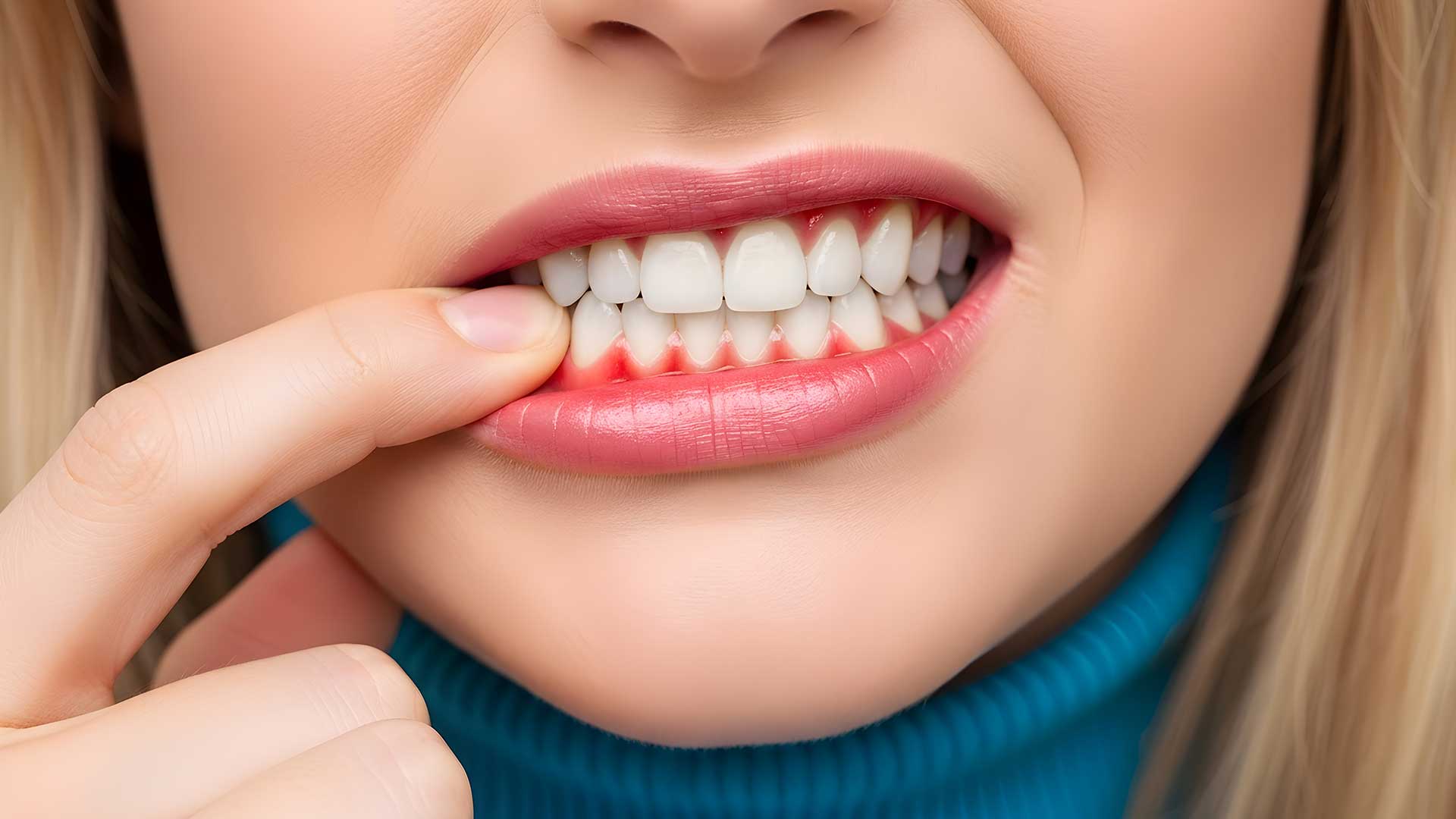
- Occurs with gum swelling, tenderness, or recession.
- Begins after trauma or a tooth injury.
- Interrupts sleep or normal daily activities.
- Does not improve despite consistent use of appropriate sensitivity toothpaste.
If your sensitivity continues or you are unsure what is causing it, you can request a dental evaluation through our Appointment Today page. The dentist can examine the area and determine what information is needed before recommending treatment.
Sensitive Tooth Treatment Cape Coral: Treatment Depends on the Cause
Sensitive Tooth Treatment Cape Coral should begin by identifying why the tooth is sensitive. A desensitizing toothpaste may help one patient. Another person may need treatment for decay, gum recession, a damaged restoration, a crack, or inflammation inside the tooth.
Desensitizing Toothpaste
Toothpastes designed for sensitivity contain ingredients that can reduce the transmission of sensation through exposed dentin. They generally require consistent use rather than providing immediate relief after one application.
The ADA notes that certain desensitizing toothpaste ingredients can reduce dentin hypersensitivity with consistent use.
Fluoride and Professional Recommendations
Depending on the tooth’s condition, the dentist may recommend fluoride-containing products or other approaches to protect vulnerable tooth surfaces.
The appropriate product depends on the cause of sensitivity, cavity risk, enamel condition, and other oral health factors.
Restorative Treatment
If decay, a defective restoration, loss of tooth structure, or a crack contributes to sensitivity, the dentist may discuss restorative treatment. Options may include a filling, bonding, crown, or another approach based on how much healthy tooth structure remains.
When a weakened or damaged tooth needs greater protection, our Dental Crowns in Cape Coral page explains how crown treatment may be considered.
Care for Gum Recession
When exposed root surfaces contribute to sensitivity, treatment depends on the cause and severity of the recession. The dentist may recommend changes in home care, periodontal evaluation, monitoring, or referral for additional periodontal treatment when appropriate.
Patients with bleeding gums, recession, deeper pockets, or other periodontal concerns can review our Dental Periodontics in Cape Coral page.
Root Canal Treatment for Deeper Tooth Problems
Severe or persistent sensitivity can sometimes result from inflammation or infection involving the pulp inside the tooth. When the tooth remains restorable, root canal treatment may become one treatment option.
The diagnosis depends on symptoms and examination findings. The dentist may also use pulp testing or imaging when appropriate and evaluate the condition of the remaining tooth structure.
Our Root Canal in Cape Coral page explains when dental pulp treatment may be considered.
Can You Reduce Tooth Sensitivity at Home?
Home care can help with some types of sensitivity, particularly when exposed dentin or enamel wear contributes to the problem. However, home treatment should not replace an examination when pain persists or becomes more severe.
Helpful habits may include:
- Use toothpaste made for sensitive teeth: consistent use may gradually reduce dentin sensitivity.
- Brush gently: use an appropriate soft-bristled toothbrush and avoid aggressive pressure near the gumline.
- Clean between teeth: daily interdental cleaning supports gum and tooth health.
- Limit frequent acidic exposure: highly acidic foods and drinks can contribute to enamel erosion.
- Use whitening products as directed: excessive or inappropriate use can increase temporary sensitivity.
- Discuss grinding or clenching: repeated forces may need professional evaluation.
- Maintain recommended dental visits: preventive care gives the dentist a chance to identify changes before they become harder to manage.
Dietary acids can gradually wear tooth enamel and contribute to sensitivity. The ADA provides additional information about acidic foods, beverages, and dental erosion.
Why Tooth Sensitivity and Gum Health Are Connected
Tooth sensitivity does not always begin in the tooth itself. Gum recession can uncover root surfaces. Inflammation and periodontal disease can also change the tissues surrounding the teeth.
If sensitivity occurs mainly near the gumline, the dentist may need to determine the cause. Recession, inflammation, brushing habits, periodontal disease, or another factor may be contributing.
This is one reason treating every sensitive tooth with the same toothpaste may not solve the underlying problem.
How Dentists Evaluate Sensitive Teeth
The purpose of the examination is to determine the source of sensitivity rather than simply confirming that a tooth feels uncomfortable.
The dentist may consider:
- The specific foods, temperatures, or activities that trigger the sensation.
- How long discomfort lasts after the trigger disappears.
- Whether one tooth or several teeth are affected.
- Visible cavities, cracks, wear, or damaged restorations.
- Gum recession, inflammation, or periodontal changes.
- Bite pressure and signs of grinding or clenching.
- Previous dental treatment in the affected area.
- Diagnostic imaging when additional information is clinically useful.
Dental radiographs may help identify decay, changes near tooth roots, bone levels, or other conditions that cannot be completely evaluated visually. Our Dental Radiographs in Cape Coral page explains how dental X-rays may support diagnosis.
When Sensitive Teeth May Need More Urgent Attention
Sensitivity alone is not always a dental emergency. However, the situation changes when discomfort becomes severe or constant. Trauma, swelling, or other signs of infection also deserve closer attention.
Prompt evaluation may be appropriate if you develop significant facial swelling, severe or increasing pain, dental trauma, difficulty biting, or symptoms that interfere with sleep or normal activities.
If you have significant pain or swelling and aren’t sure how soon you should be seen, our team can help at (239) 573-4848. Same-day evaluation may be available depending on clinical needs and the current schedule.
You can also review our Emergency Dentist in Cape Coral page for information about urgent dental symptoms.
Can Sensitive Teeth Be Prevented?
You can’t prevent every cause of sensitivity. Restorations can wear down, gums may recede, trauma can happen unexpectedly, and cracks may develop even with good oral hygiene.
However, consistent preventive habits can reduce several common risk factors. Gentle brushing and daily interdental cleaning can help. Limiting frequent acidic exposure, following whitening instructions, addressing grinding, and maintaining appropriate dental visits can also support healthier tooth surfaces and gums.
Questions About Costs, Insurance, or Treatment?
The cost of treating sensitivity depends on its cause. Someone who needs only preventive recommendations may have very different treatment needs from a patient with decay, gum disease, a cracked tooth, or deeper pulp inflammation.
PPO dental insurance or Medicare Advantage dental benefits may cover eligible diagnostic or treatment services, depending on the plan. Deductibles, limitations, annual maximums, network requirements, and patient responsibility vary.
If you have a general question about insurance information, estimated costs, or treatment recommendations and prefer to write to us, you can use the Contact Us page.
Tooth Sensitivity Care Near Del Prado Blvd S
Dental Blush is located at 1227 Del Prado Blvd S, Suite 106, Cape Coral, FL 33990. Our location is convenient for patients throughout Cape Coral, including areas near Caloosahatchee, Hancock, Pelican, and nearby communities.
We speak English and Spanish. Hablamos inglés y español. Clear communication can help patients describe whether sensitivity occurs with cold, heat, sweets, brushing, biting, or other triggers.
You can view our Cape Coral office on Google Maps for directions.
Frequently Asked Questions About Sensitive Teeth in Cape Coral
Why do my teeth hurt when I drink cold water?
Cold sensitivity may occur when dentin becomes exposed because of enamel wear or gum recession. Cavities, worn restorations, cracks, or deeper tooth problems can also cause cold sensitivity. Repeated symptoms deserve evaluation.
Why does only one tooth feel sensitive?
Sensitivity limited to one tooth may relate to localized decay, a crack, a worn filling, gum recession, bite pressure, or another problem affecting that tooth. An examination helps distinguish among these possibilities.
Can sensitive toothpaste fix the problem?
Desensitizing toothpaste can help some forms of dentin sensitivity. However, it cannot repair a cavity, cracked tooth, failing restoration, infection, or significant gum problem. Persistent discomfort should receive professional evaluation.
Can whitening make teeth sensitive?
Yes. Whitening can cause temporary sensitivity in some patients. The likelihood and intensity vary by whitening product, concentration, treatment frequency, existing sensitivity, and individual response.
Why does my tooth hurt when I bite?
Biting pain may occur with decay, a damaged restoration, a crack, or irritation involving deeper tooth structures. Repeated biting pain should be evaluated rather than assumed to be ordinary sensitivity.
Does lingering sensitivity mean I need a root canal?
Not automatically. Lingering sensitivity can suggest deeper pulp irritation or inflammation. The dentist needs to evaluate the tooth before determining whether root canal treatment or another approach is appropriate.
When is tooth sensitivity an emergency?
Seek prompt dental guidance when sensitivity becomes severe or constant, follows significant trauma, interrupts sleep, or occurs with swelling, worsening pain, fever, or other signs of infection. Life-threatening symptoms require emergency medical care.
Do you provide assistance in Spanish?
Yes. Our Cape Coral team provides assistance in English and Spanish for tooth sensitivity, dental symptoms, treatment explanations, insurance questions, estimated costs, and appointment information.
Understanding Sensitive Teeth in Cape Coral Starts With the Cause
Tooth sensitivity is a symptom, not a single dental condition. Exposed dentin, gum recession, enamel erosion, decay, damaged restorations, cracks, grinding, whitening, or problems inside a tooth can create similar sensations for different reasons.
The pattern of discomfort can help the dentist narrow down the cause. It may be brief or lingering, triggered by biting, limited to one tooth, or accompanied by other symptoms. Identifying the cause helps the dentist recommend care that addresses the actual problem instead of only masking the sensation.